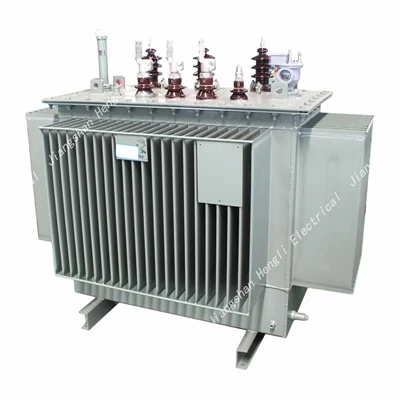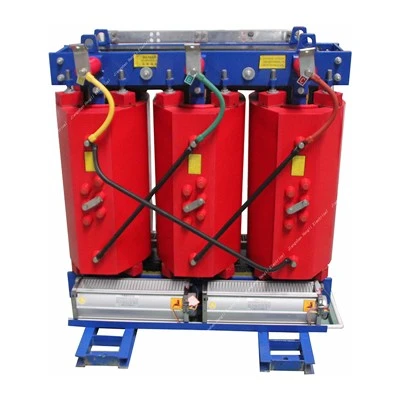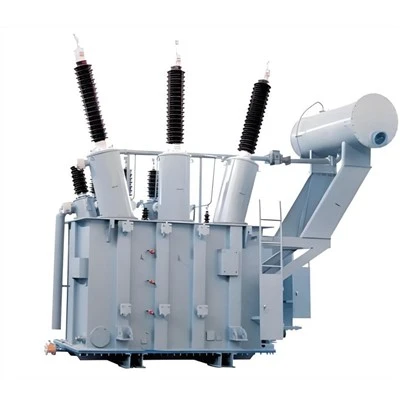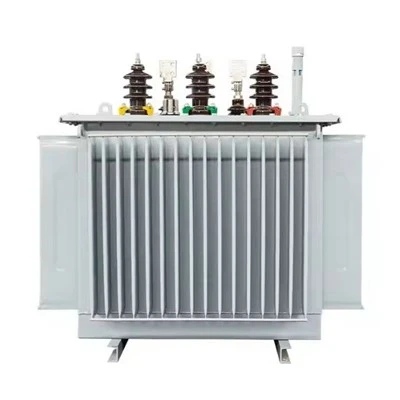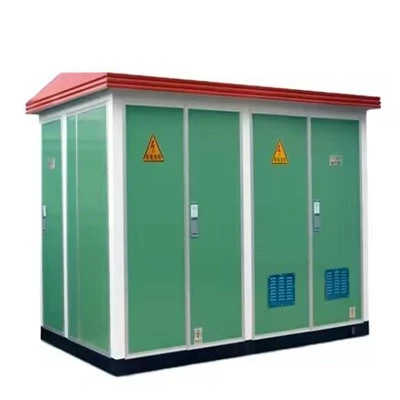

The term "main transformer" generally refers to the main transformer in a power system, one of the most crucial pieces of equipment in a substation. Its primary function is to convert electrical energy across different voltage levels. For example, it can increase the medium-to-high voltage output from power plants before sending it to the high-voltage transmission network, or reduce high-voltage electricity to a suitable voltage for urban and industrial use on the consumer side. Without the main transformer, long-distance, large-scale transmission and distribution of electrical energy would be extremely difficult.
Main transformers typically have a large capacity and a more complex design, generally employing oil-immersed cooling to ensure long-term stable operation. They consist of an iron core, windings, an insulation system, and cooling devices. The windings are responsible for voltage transformation, while the iron core provides magnetic flux. To meet the high reliability requirements of the power grid, main transformers are usually equipped with protection devices, such as gas protection and differential protection, to promptly disconnect equipment in the event of a fault, preventing the accident from escalating.
The main transformer is often the "heart" of a substation. Its operating status directly affects the stability and safety of the entire power supply system; therefore, its operation and maintenance require high standards, necessitating regular oil chromatography analysis, insulation testing, and temperature monitoring. If the main transformer malfunctions, it could lead to a large-scale power outage. Therefore, the design and operation are designed with high redundancy and safety margins.