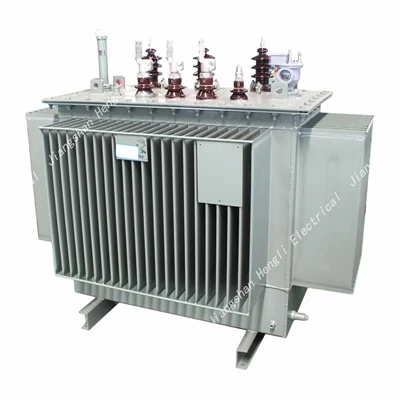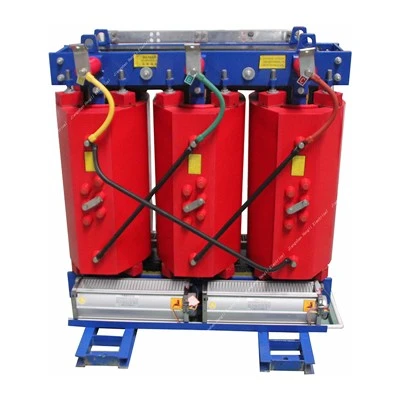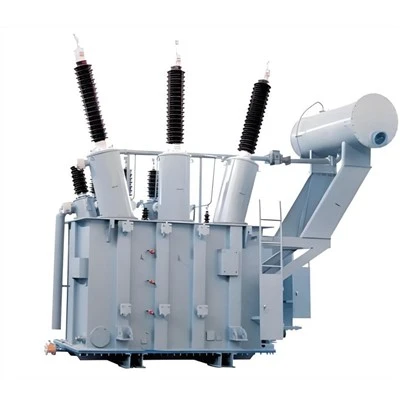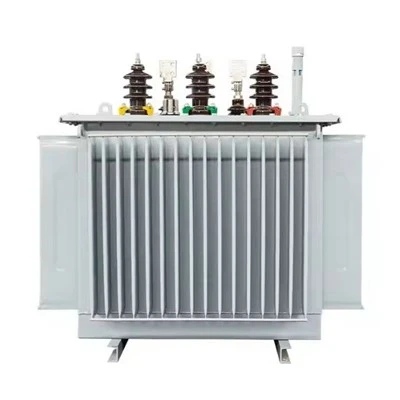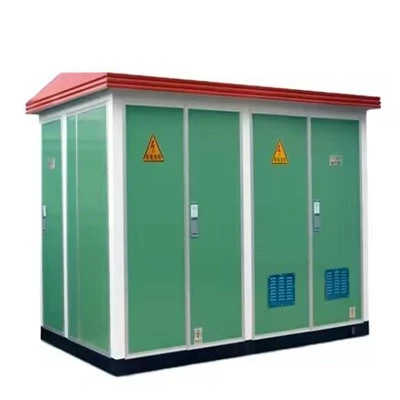

When comparing a 1600kVA distribution transformer with a common 200kVA unit, the difference is not simply the size of the tank. As transformer capacity increases, the low-voltage current, conductor arrangement, grounding system, protection devices and temperature monitoring requirements also become more important.
For B2B buyers, understanding these differences helps when reviewing transformer specifications, switchgear configurations and installation drawings.
1. Higher Capacity Means Higher Low-Voltage Current
Consider a typical 10kV / 0.4kV three-phase transformer.
At 1600kVA, the rated low-voltage current is approximately:
1600 ÷ (√3 × 0.4) ≈ 2,309 A
For a 200kVA transformer under the same voltage:
200 ÷ (√3 × 0.4) ≈ 289 A
This is a major difference. A 1600kVA transformer must handle roughly eight times the low-voltage current of a 200kVA unit. Therefore, the low-voltage terminals and busbars need to be designed for substantially higher current.
Instead of relying on small cable connections, high-capacity transformers commonly use large aluminum or copper busbars to connect with the low-voltage switchgear. The exact conductor size and arrangement should be determined from the rated current, temperature-rise requirements and project design.
2. Why Does the Low-Voltage Side Sometimes Have Three Busbars Instead of Four?
A common question during site inspection is why a large transformer appears to have only three low-voltage phase busbars.
The answer is that the neutral connection may be arranged separately.
In a three-phase four-wire distribution system, the neutral point of the transformer winding can be brought out and connected to the main grounding and neutral arrangement. IEC 60076-1 specifies that the neutral conductor and terminal of a distribution transformer intended to supply phase-to-neutral loads must be appropriately rated for both load and earth-fault current.
Therefore, the visible three large busbars may represent L1, L2 and L3, while the neutral conductor is connected separately through the transformer's neutral point.
The actual arrangement depends on the transformer winding connection and the project's earthing system. It should always be confirmed from the transformer connection diagram rather than judged only by the number of visible busbars.
3. Neutral Grounding and Protective Earthing Are Not the Same
Another important point is the distinction between neutral grounding and protective earthing.
The transformer neutral point provides the reference point for the low-voltage system and may be connected to the main earthing system according to the site's grounding scheme. The transformer tank, enclosure and other exposed conductive parts, meanwhile, require protective earthing.
These connections serve different electrical purposes and should not be treated as interchangeable. The neutral conductor also needs to be sized according to the expected load and fault conditions.
For a large distribution transformer, the grounding arrangement should therefore be coordinated between the transformer manufacturer, electrical contractor and switchgear designer.
4. Larger Transformers Need More Comprehensive Protection
A 1600kVA oil-immersed distribution transformer may also include protection and monitoring devices that are less common on smaller units.
One important device is the Buchholz relay. For liquid-immersed transformers equipped with a conservator, specifications commonly include a Buchholz relay with alarm and trip contacts.
The relay detects gas accumulation and oil movement associated with certain internal faults. Depending on the protection design, an alarm can be initiated for developing conditions, while a more severe internal fault can activate the trip function.
For procurement, buyers should therefore check not only the transformer rating but also the required protection accessories and their connection to the substation protection system.
5. Temperature Monitoring Becomes More Important
Higher-capacity transformers dissipate more heat during operation, making thermal management an important part of the design.
A 1600kVA oil-immersed transformer may be equipped with an oil temperature indicator, while larger or specially specified units can also incorporate winding temperature monitoring and alarm/trip functions.
Temperature indicators and related settings should correspond to the transformer's cooling method, rated load and temperature-rise design. IEC 60076-1 also addresses requirements associated with winding temperature indicators and temperature-rise testing.
What Should Buyers Check Before Ordering?
When sourcing a 1600kVA distribution transformer, capacity alone is not enough. The technical specification should normally clarify:
Rated capacity and HV/LV voltage
Rated low-voltage current
Winding connection and vector group
Neutral terminal arrangement
Earthing method
Impedance and loss requirements
Cooling method
Buchholz relay and other protection devices
Oil and winding temperature monitoring
LV busbar or cable connection arrangement
Required factory routine tests and documentation
Final Takeaway
The difference between a 200kVA and 1600kVA distribution transformer is not simply a larger physical size. The eight-fold increase in capacity at the same voltage results in a much higher low-voltage current, which affects busbar design, neutral connections, grounding, thermal management and protection.
For project buyers, the best approach is to specify the transformer together with its complete electrical system requirements, rather than selecting the transformer only by kVA rating.
As a professional transformer manufacturer, Zhejiang Hengli Electrical can review project requirements such as capacity, voltage, connection, grounding arrangement, cooling and protection configuration before production, helping customers select a transformer suitable for the actual distribution system.