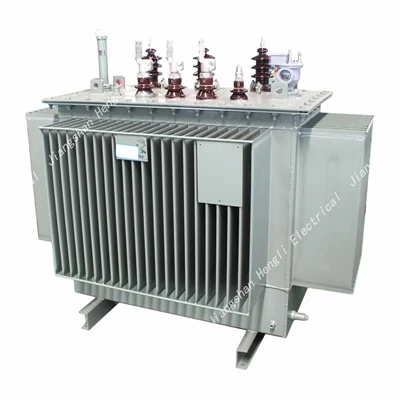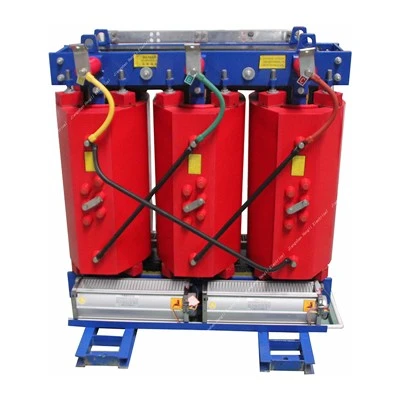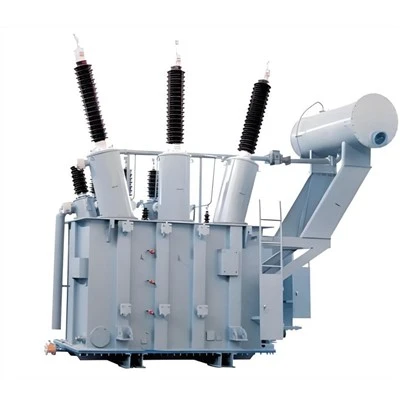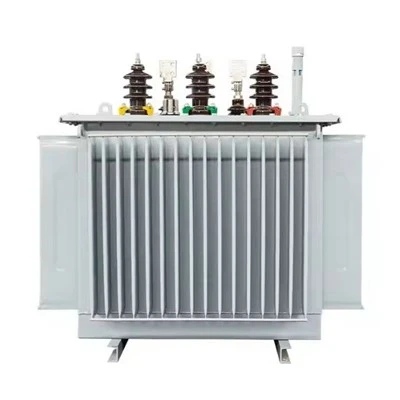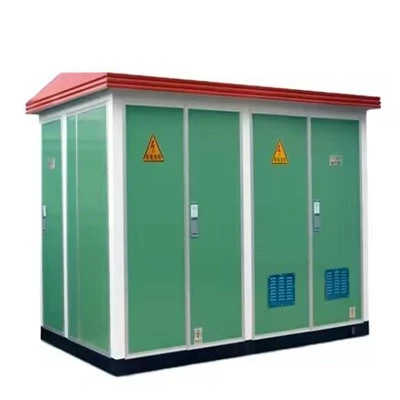

A prefabricated substation, also known as a box-type transformer, is a complete set of power distribution equipment that integrates a transformer, high-voltage switchgear, low-voltage distribution devices, and measurement, protection, and control systems into a single enclosed or semi-enclosed enclosure according to a specific wiring scheme. Essentially, it modularizes, integrates, and factory-produces traditional substations to achieve the functions of voltage transformation and distribution.
Functionally, box-type transformers are primarily used to step down medium- and high-voltage electrical energy to low-voltage electrical energy for distribution, while also providing necessary protection and metering functions. They can be connected to the power grid or used in residential areas, commercial buildings, industrial and mining enterprises, and temporary power supply sites, making them a very common type of equipment in urban power distribution systems.
Compared to traditional civil engineering substations, the biggest advantages of box-type transformers are their compact structure, small footprint, short construction period, and fact that they are prefabricated and commissioned entirely in the factory, requiring only simple installation on-site for operation. Therefore, they are widely used in modern power distribution networks.