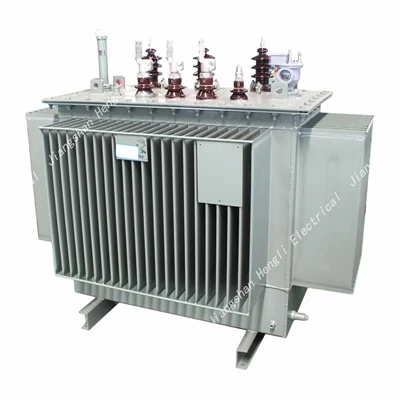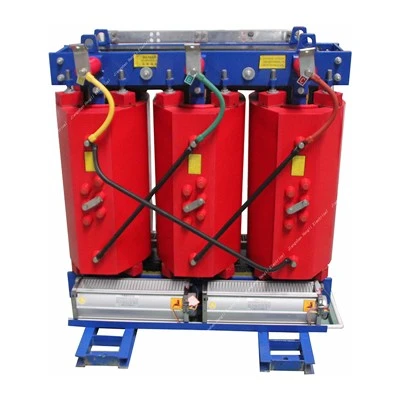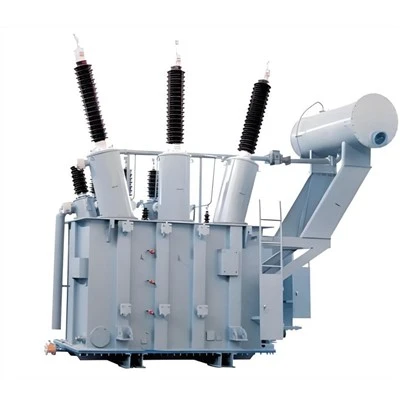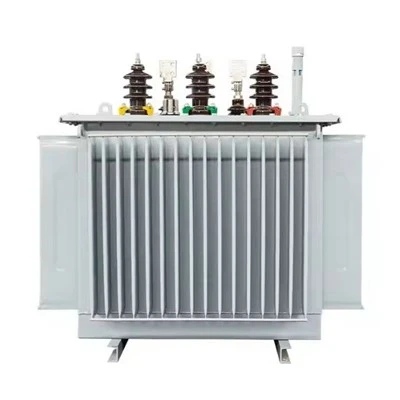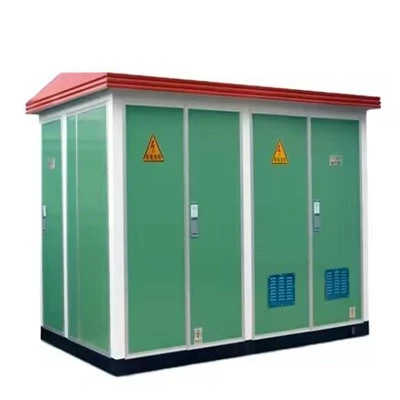

The functions of a prefabricated box-type transformer are mainly reflected in three aspects: voltage transformation, power distribution management, and system protection. It is an important complete set of equipment in modern power distribution systems.
Voltage Transformation: The prefabricated box-type transformer, through its internal transformer body, steps down medium- and high-voltage electrical energy to low-voltage electrical energy, meeting the electricity needs of residential, commercial, and industrial users. For applications requiring voltage boosting, it can also be designed to achieve voltage boosting, but in power distribution networks, it is primarily used for voltage step-down.
Power Distribution Function: The prefabricated box-type transformer integrates low-voltage distribution devices, which can distribute the stepped-down electrical energy to different users or load points according to circuits. Simultaneously, it can realize branch circuit protection, metering, and switch control, facilitating management and operation, and improving the flexibility and safety of power distribution.
Protection and Monitoring: Prefabricated box-type transformers are typically equipped with high- and low-voltage switches, fuses, surge arresters, temperature control protection, and intelligent monitoring devices, which can protect against and alarm for abnormal conditions such as overload, short circuit, lightning strikes, and over-temperature. This not only ensures the safety of the equipment itself but also improves the reliability of downstream power systems.