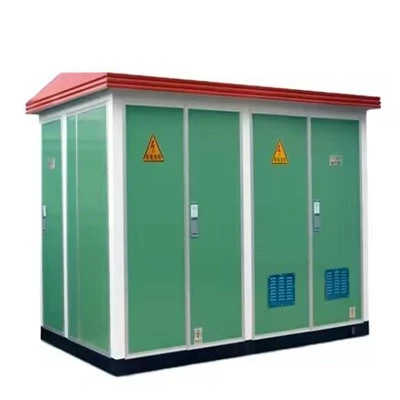

The selection of a box-type transformer requires a comprehensive consideration of actual power demand, operating environment, and future operating costs; price or capacity alone is insufficient. Proper selection can significantly improve power supply stability and reduce maintenance costs.
Focus on capacity and load matching. The capacity should be determined based on actual power load, simultaneity factor, and future expansion needs. It is generally recommended to reserve a 10% to 30% margin to avoid overheating and reduced lifespan due to prolonged full-load operation. For residential communities, commercial complexes, or factories, different load characteristics will also affect capacity selection.
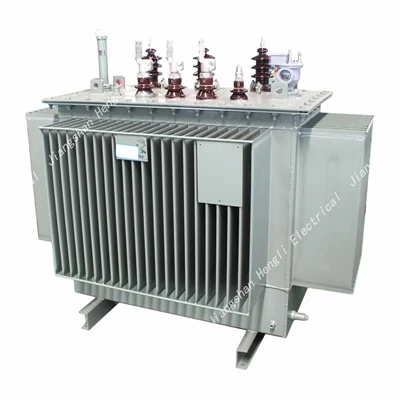
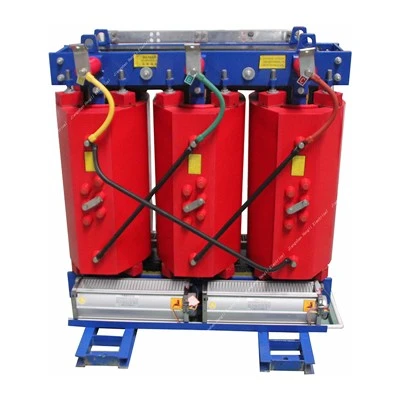
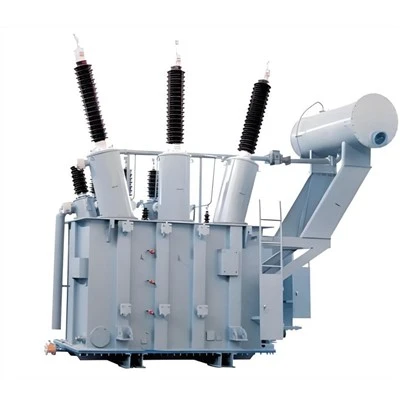
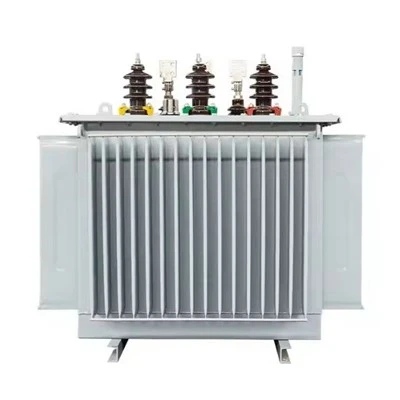
Consider voltage level and structural type. Common distribution systems are 10kV/0.4kV, but grid standards may vary in different regions, requiring confirmation with the power supply department. Also, choose between oil-immersed or dry-type structures: oil-immersed transformers are suitable for outdoor and high-capacity applications, offering stable operation; dry-type transformers are more suitable for indoor environments or locations with high fire safety requirements, such as hospitals, subways, or high-rise buildings.
Environmental adaptability and protection level are also key selection considerations. If installed in coastal, high-humidity, or dusty areas, choose a model with stronger corrosion resistance and a higher IP rating. For construction sites or temporary power supply scenarios, mobile transformer substations are also an option. Additionally, pay attention to the manufacturer's qualifications, product energy efficiency rating, loss indicators, and whether it has intelligent monitoring capabilities, as these factors all affect long-term operational reliability and maintenance costs.