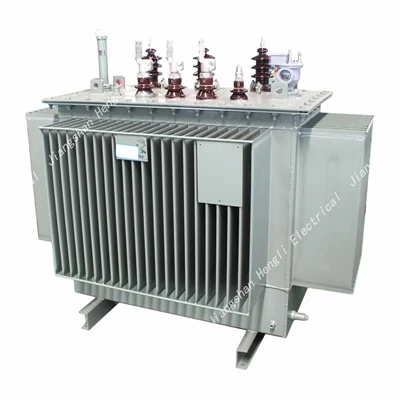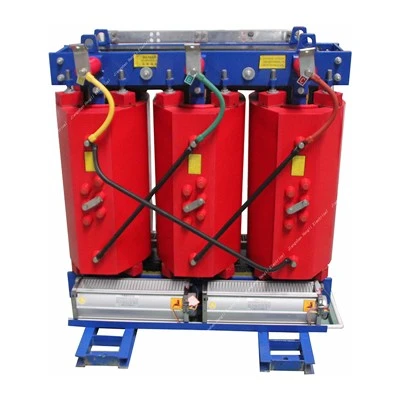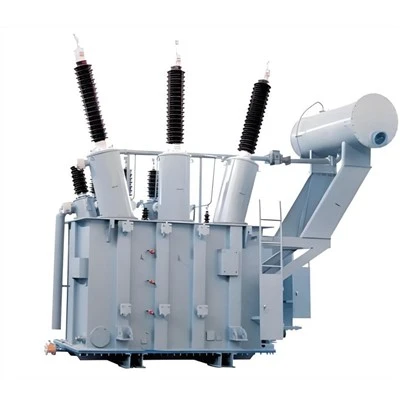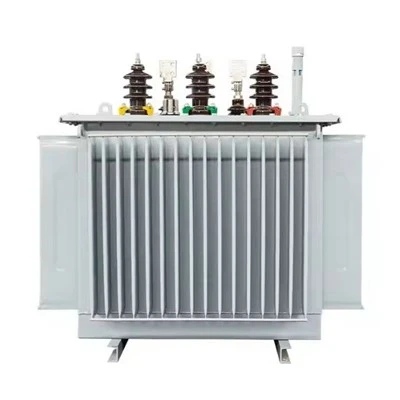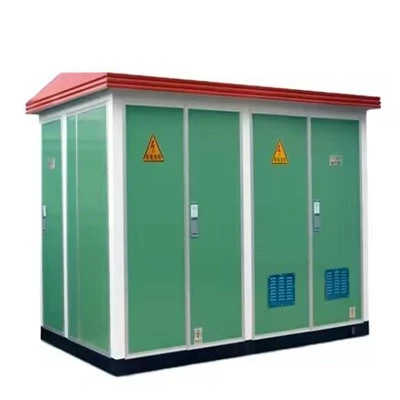

The technological requirements for prefabricated transformers mainly involve manufacturing precision, insulation treatment, assembly quality, and protective performance, directly affecting the safety, durability, and operational reliability of the equipment.
Manufacturing Precision
The transformer core and windings must be processed and assembled strictly according to design parameters. The core should be made of cold-rolled grain-oriented silicon steel sheets to avoid gaps or looseness. The windings should be neatly arranged with uniform inter-turn insulation to ensure electromagnetic performance and reduce the risk of localized overheating.
Insulation Treatment
Oil-immersed prefabricated transformers require the windings to be thoroughly vacuum-dried before oil injection to eliminate air bubbles and moisture, preventing partial discharge. Dry-type prefabricated transformers require epoxy resin casting or other solid insulating materials to ensure reliable insulation between high and low voltage levels. The selection of insulation materials and the manufacturing process directly determine the withstand voltage rating and lifespan of the equipment.
Assembly and Protection Requirements
The high-voltage, low-voltage, and transformer sections inside the enclosure should be rationally arranged, maintaining safe distances, and different compartments should be separated by partitions. The enclosure shell must be coated with an anti-corrosion coating, equipped with ventilation and heat dissipation devices, and meet dustproof and waterproof ratings (such as IP54, IP65). All fasteners, terminals, and protective devices must be securely fixed to ensure reliability during transportation, installation, and long-term operation.