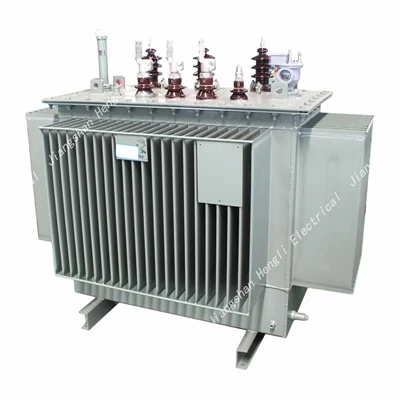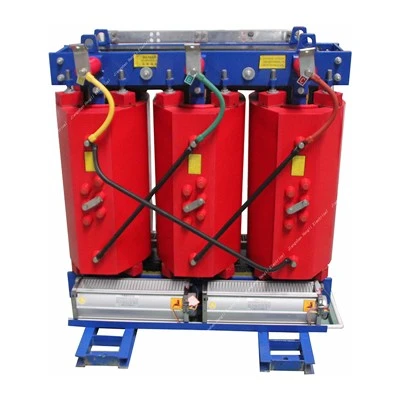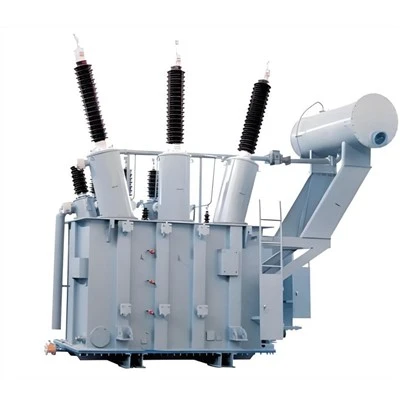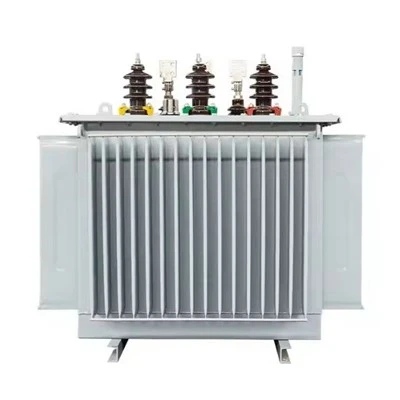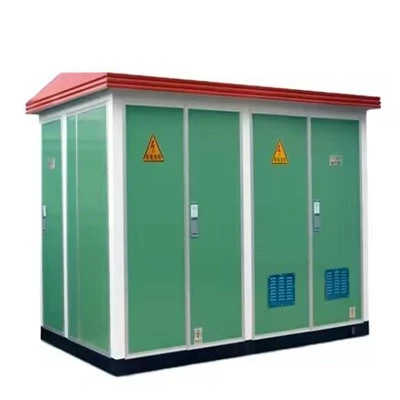

The sealing performance of a prefabricated transformer is a crucial indicator for ensuring long-term safe operation and preventing the intrusion of dust, moisture, and impurities, directly affecting insulation life and reliability.
The enclosure itself requires a fully or semi-enclosed design. High-voltage, low-voltage, and transformer sections are typically separated by partitions. Doors, inspection openings, and ventilation openings should all be equipped with sealing strips or rubber gaskets to prevent rainwater, dust, or small animals from entering. The oil tank of an oil-immersed prefabricated transformer also needs to be well-sealed to prevent air and moisture from entering the oil, avoiding aging and performance degradation of the insulating oil.
The sealing design of a prefabricated transformer must balance heat dissipation and protection. Ventilation holes or louvers are generally located on the enclosure, but rainproof plates or dustproof screens are installed inside the openings to allow air circulation while maintaining the protection rating (e.g., IP54, IP65). Dry-type prefabricated transformers also protect their windings and low-voltage compartments through epoxy resin casting, sealed doors and windows, or transparent protective covers to achieve internal insulation and equipment protection.
Good sealing performance not only prevents dust and moisture from damaging the equipment insulation but also helps reduce maintenance frequency and extend service life. For transformer substations in outdoor or coastal high-humidity environments, sealing design is particularly important and is a key indicator that must be focused on during selection and acceptance.