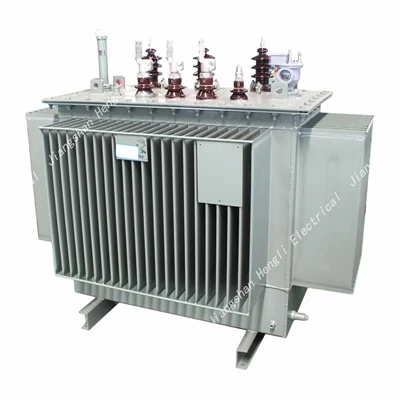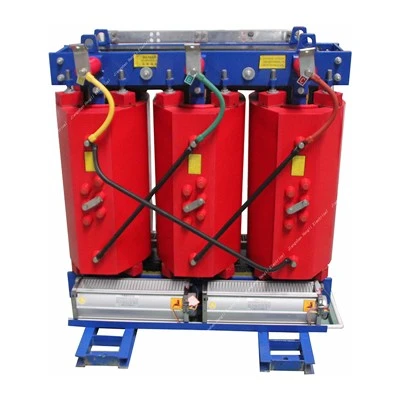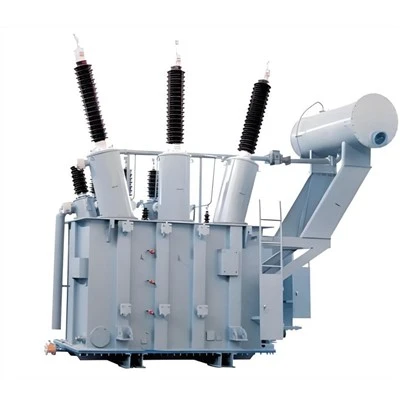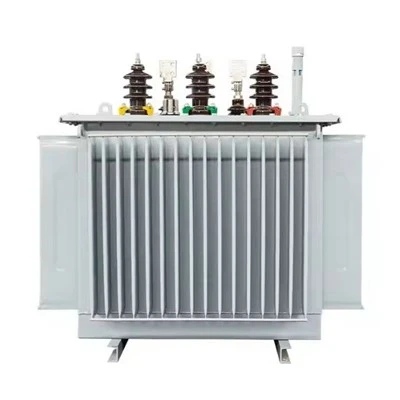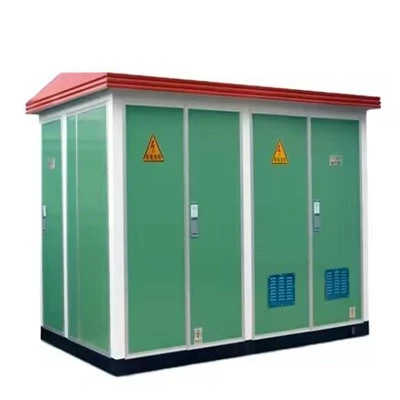

The specifications of a prefabricated transformer typically refer to a series of standard parameters specified in its design and selection. These parameters describe the equipment's capacity, voltage level, structural form, and operational capabilities, serving as a crucial basis for determining its suitability for a particular power consumption scenario.
Capacity is the most critical parameter, usually expressed in kVA. Common specifications include 100kVA, 200kVA, 400kVA, 630kVA, 800kVA, 1000kVA, and even higher capacities. The capacity directly determines the load capacity the prefabricated transformer can handle and generally needs to be selected based on actual power demand with a certain margin.
Voltage specifications generally consist of a high-voltage side and a low-voltage side, such as the common 10kV/0.4kV, although some regions use 20kV or 35kV levels. Different voltage combinations correspond to different power grid systems and are key parameters for adapting the prefabricated transformer to the power system.
Prefabricated transformers also include structural and functional specifications, such as oil-immersed or dry-type structure, integrated or combined design, and IP protection ratings (e.g., IP33, IP54, IP65), cooling methods (ONAN, AN, etc.). These specifications determine the applicable environmental conditions of the equipment, such as whether it is suitable for outdoor use, whether fire protection requirements are high, and the operating temperature range.
In summary, the specifications of prefabricated transformers are not a single parameter, but a combination of multiple technical indicators, requiring a holistic selection based on load characteristics, installation environment, and power supply requirements.