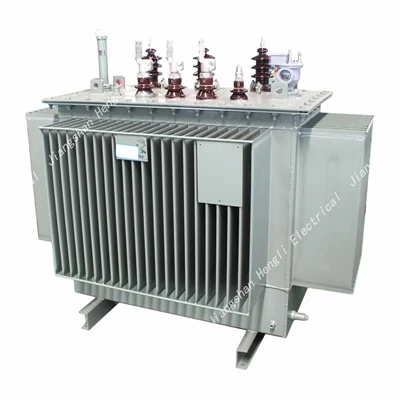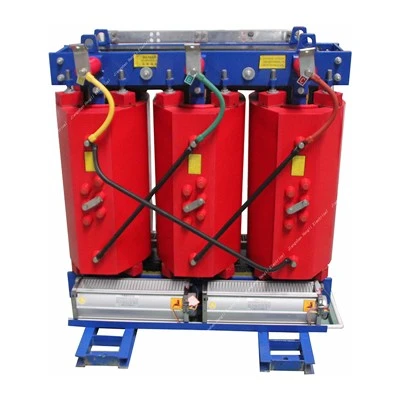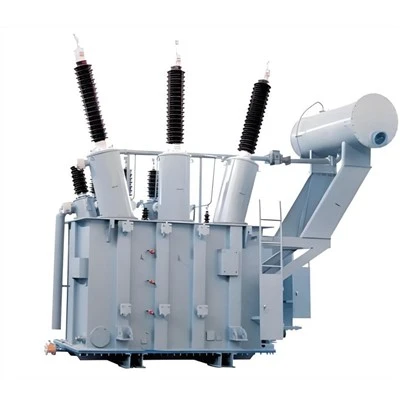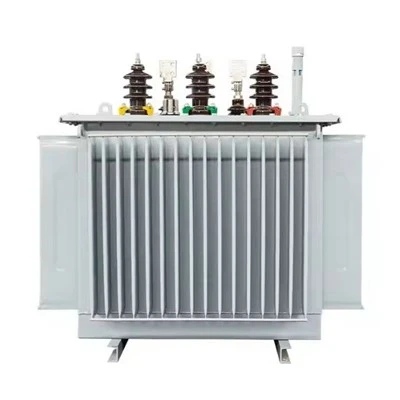

The wiring configuration of a distribution transformer refers to the connection form between the high-voltage and low-voltage windings, directly affecting the transformer's operating characteristics and its matching with the power grid. Common wiring configurations on the high-voltage side are star and delta. Star connection is suitable for systems requiring grounding and facilitates the operation of protection devices; delta connection is suitable for nonlinear loads and effectively eliminates third harmonics.
Low-voltage side wiring configurations are also generally divided into star and delta. Star connection facilitates the provision of a neutral point, is suitable for three-phase four-wire power supply, and is widely used in residential areas and commercial buildings; delta connection is suitable for high-power equipment or industrial loads, can withstand larger starting currents, and also helps with load balancing.
There are various combinations of high and low voltage sides. For example, high-voltage delta and low-voltage star (Dyn11) are common configurations in urban distribution networks. This combination can balance load balancing and harmonic suppression. However, different combinations will produce a certain phase difference, requiring the selection of an appropriate wiring configuration based on the characteristics of the power supply system and the load type to ensure the safe and stable operation of the transformer.