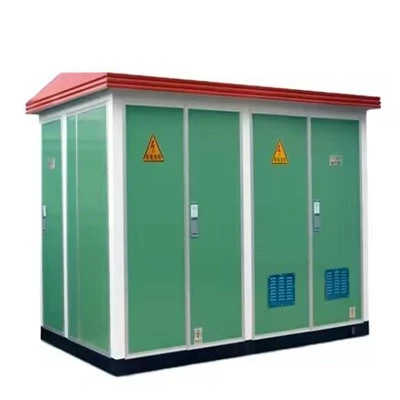

Distribution transformers are mainly classified according to their application, cooling method, installation method, and structural form. Different types are suitable for different power supply scenarios.
Based on application, they can be divided into general distribution transformers and special-purpose transformers. General distribution transformers are used for power distribution in residential areas, commercial buildings, or industrial parks, meeting the power supply needs of general low-voltage loads. Special-purpose transformers are designed according to the requirements of specific locations or equipment, such as lighting transformers, explosion-proof transformers for mining, or railway power supply transformers.
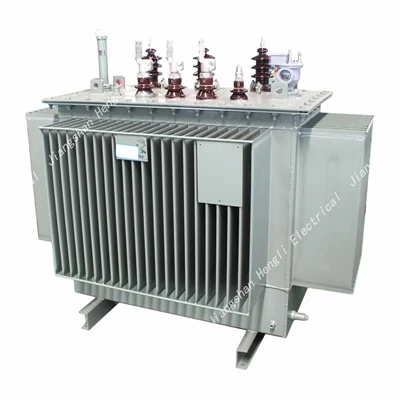
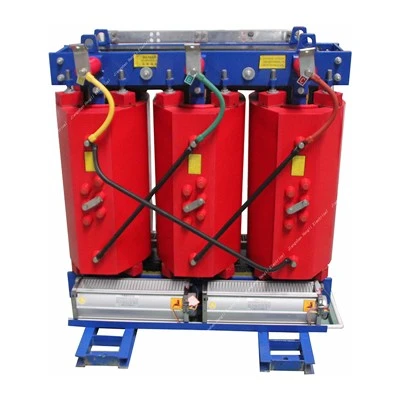
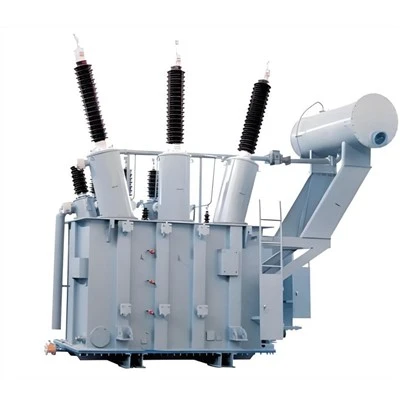
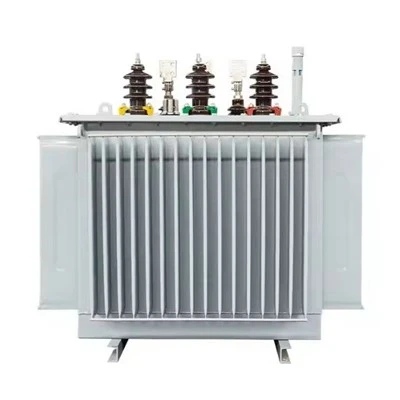
Based on cooling method, they can be divided into oil-immersed and dry-type transformers. Oil-immersed distribution transformers dissipate heat through insulating oil, have large capacity and strong load-bearing capacity, and are suitable for outdoor or high-capacity loads. Dry-type transformers use air cooling or epoxy resin-cast insulation, are fireproof and moisture-proof, and are suitable for indoor or high-safety-requirement locations.
They can also be classified according to installation method and structural form, such as outdoor-installed box-type transformers, prefabricated combined transformers, and small vertical or benchtop transformers. Different structural forms have different characteristics in terms of installation, maintenance, and footprint. Selection should be based on a comprehensive consideration of environmental conditions and power demand.