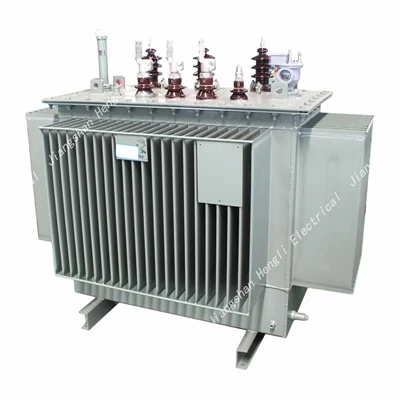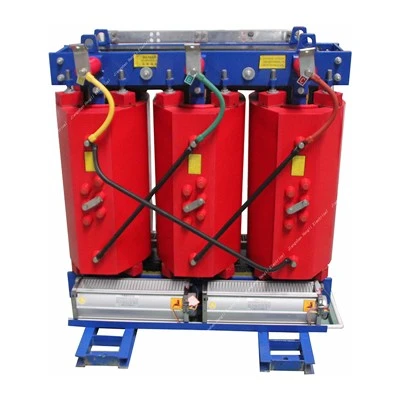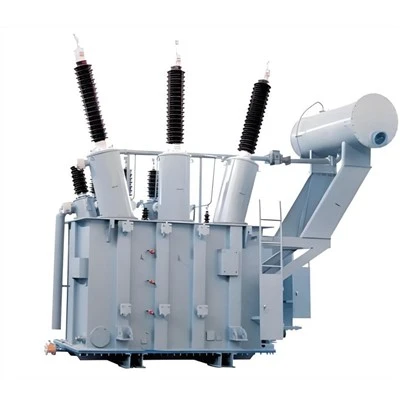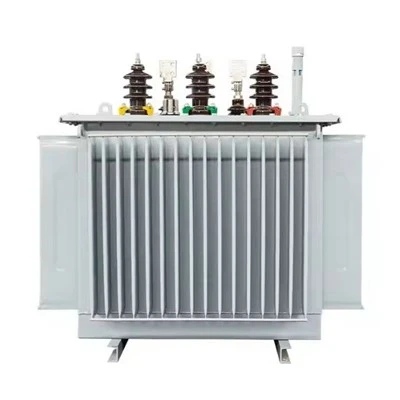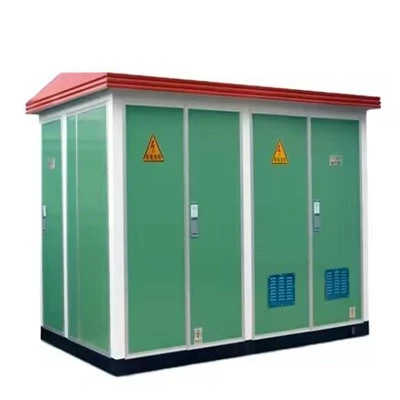

During storage, distribution transformers must strictly adhere to relevant regulations to ensure the equipment is not damaged and its insulation performance does not degrade before installation. Storage guidelines mainly include four aspects: environmental requirements, placement methods, protective measures, and regular inspections.
Environmental Requirements: Transformers should be stored in a dry, well-ventilated warehouse or under a rain shelter, avoiding direct sunlight, rain intrusion, and humid environments. Indoor storage should be kept away from corrosive chemical media, and extreme high and low temperatures should be avoided as much as possible to prevent thermal expansion or moisture absorption of the tank or insulation materials.
Placement Methods: Transformers should be placed horizontally and stably on a pallet or support platform, with the bottom not directly contacting the ground to prevent water accumulation and moisture absorption. Oil-immersed transformers should have their tanks full and sealed, while dry-type transformers should use dust covers or sealed packaging to prevent dust and moisture from entering the windings.
Protective Measures: The doors and windows of the enclosure should be closed, and critical openings should be fitted with protective caps or plugs. Metal parts can be coated with anti-rust oil. Regular inspections are essential. Even during storage, it is necessary to check the oil level, oil quality, the condition of the outer casing, and for any leaks, rust, or rodent damage. Any problems should be addressed promptly to ensure the equipment is in good condition before installation.