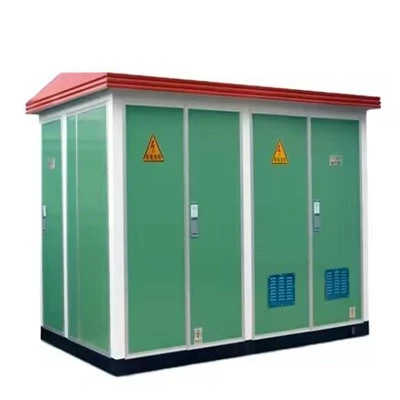

Essential Parameters You Need When Purchasing Power and Distribution Transformers
For project managers, electrical contractors, and facility operators, sourcing the right power transformer or distribution transformer is always a core step in electrical system deployment. However, we have encountered a lot inquiry cases where clients have clear equipment demands but fail to provide basic technical parameters. This situation often leads to repeated communication, delayed quotation progress, and even improper model selection that affects subsequent project operation. To streamline the transformer procurement process, it is necessary to master the two most fundamental parameters that determine transformer model matching, as well as other optional customized specifications for dry type transformer and conventional power transformation equipment.
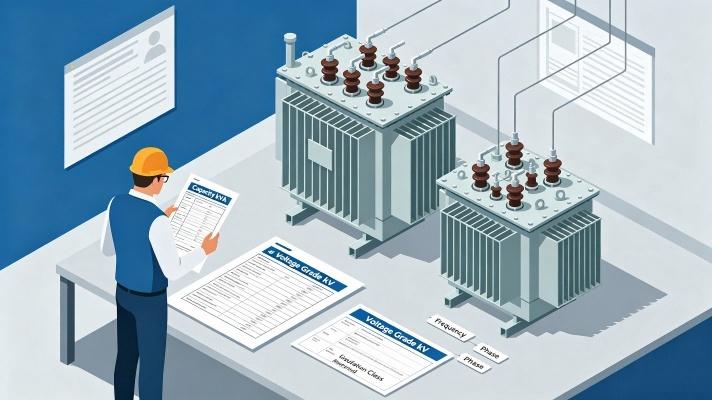
The first non-negotiable core parameter is transformer capacity. In simple terms, capacity refers to the maximum power output that a power transformer can stably supply under rated operating conditions. It is the primary basis for avoiding equipment overload and power supply insufficiency. In industrial and commercial procurement scenarios, transformer capacity is mainly measured in kVA (kilovolt-amps), and some low-power equipment also uses watts as the unit. Confirming accurate capacity can effectively prevent two common on-site problems: insufficient load capacity that cannot support daily equipment operation, or excessive capacity selection that causes unnecessary cost waste and resource occupation for distribution transformer installations.
The second essential parameter is the voltage grade, covering the input primary voltage and output secondary voltage of the transformer. Voltage parameters are usually marked in kV or V, which directly determine whether the transformer can adapt to the local grid power supply standards and terminal equipment voltage requirements. Different regions and industrial scenarios have distinct voltage specifications. Only by clarifying the exact input and output voltage grades can manufacturers configure the most matching winding design and insulation structure, ensuring the safe and stable operation of the entire power supply system.
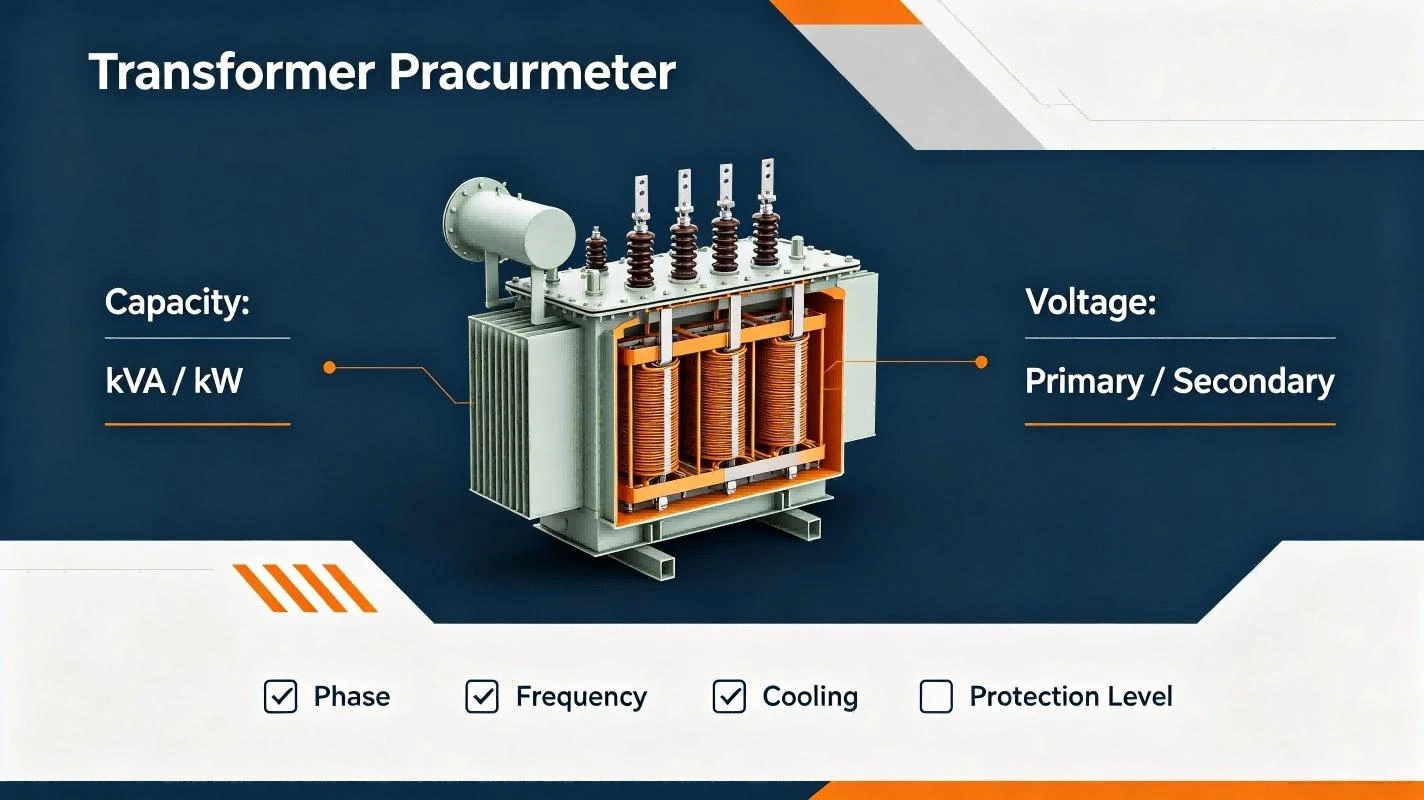
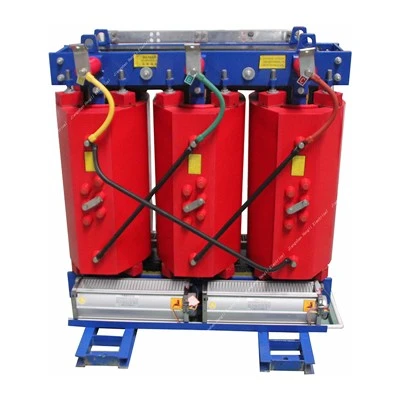
In addition to the two basic parameters, multiple auxiliary specifications can be adjusted and customized according to actual project needs, especially for customized dry type transformer products with high environmental adaptability requirements. These optional parameters include operating frequency, phase number, cooling method, winding type, connection mode, insulation grade, and IP protection level. Special working conditions such as high temperature, high humidity, or dust-intensive environments also require targeted customized technical adjustments.
As an experienced manufacturer, Zhejiang Hengli Electrical recommends that purchasers confirm core capacity and voltage parameters first during inquiry. Clarifying basic specifications in advance greatly improves quotation accuracy and delivery efficiency, while flexible customization of auxiliary parameters ensures the transformer perfectly matches on-site working conditions, achieving stable operation and long service life.