
Transformer Overload Limits in Summer: How Much and How Long Is Safe?
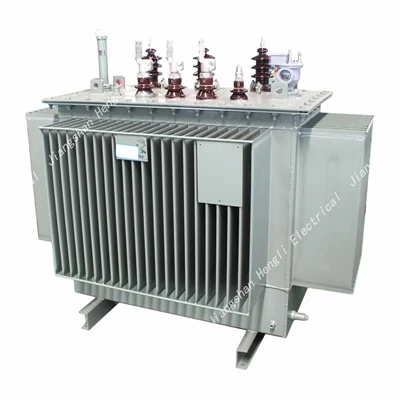
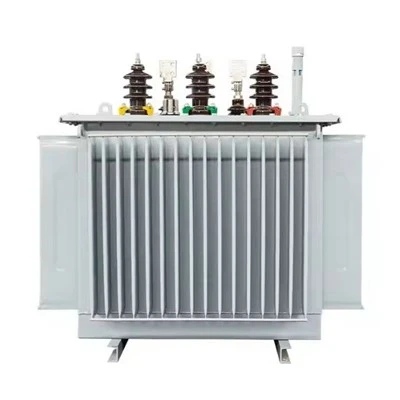
A common question for power maintenance teams in hot seasons is whether transformers can safely operate under overload conditions, how much overload is acceptable, and how long overload operation can last before failure. Many field technicians rely on generic online data that an oil immersed distribution transformer can run 180 minutes at 10% overload, 150 minutes at 20% overload, and 120 minutes at 30% overload. However, strictly following these fixed values in actual operation is extremely risky, especially during summer high temperatures.
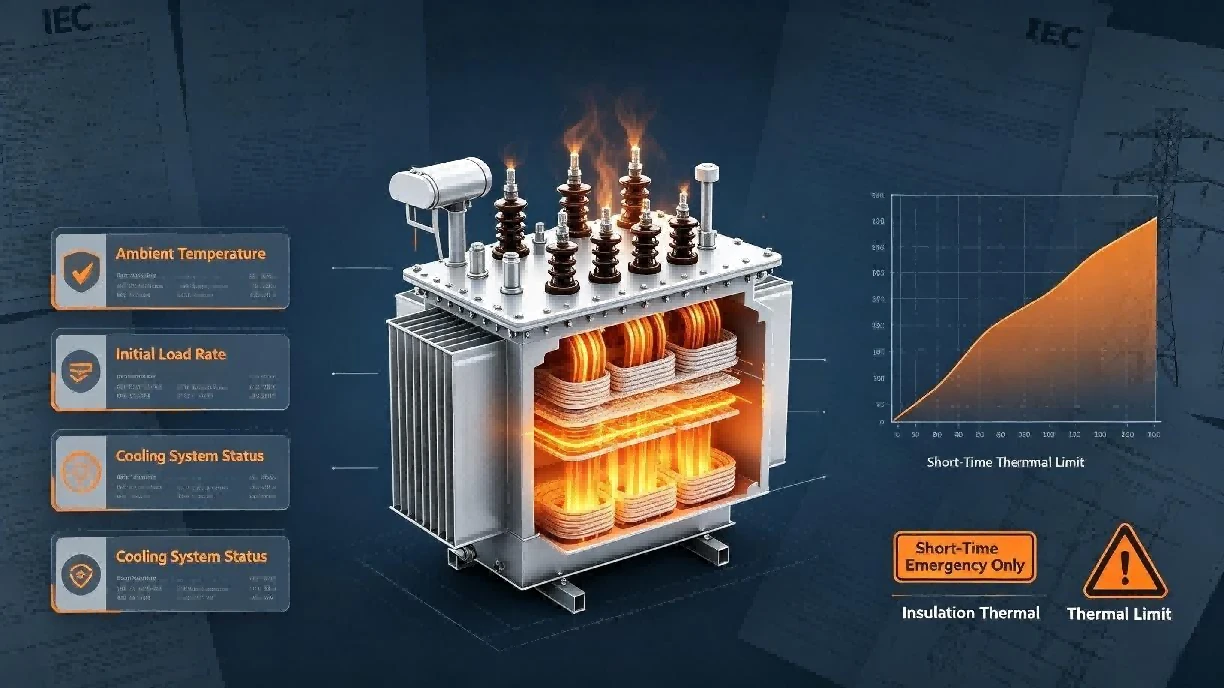
Professional power transformer operation regulations clearly state that transformer overload capacity is not fixed. It changes drastically according to ambient temperature and initial load rate, which explains the huge performance gap between summer and winter. When the ambient temperature reaches 40°C, with an initial load rate of 70%, an oil immersed distribution transformer overloaded to 130% capacity can only operate safely for 15 minutes. In contrast, at 10°C with the same 130% overload rate, the allowable runtime extends to 150 minutes, creating a nearly tenfold difference in overload tolerance.
Besides temperature, the initial load rate is another decisive factor. At a room temperature of 30°C and 120% overload, a transformer with a 70% initial load can work for 70 minutes, while a unit with a 90% initial load only lasts 31 minutes. Higher baseline load leaves far less margin for emergency overload, greatly increasing failure risks.
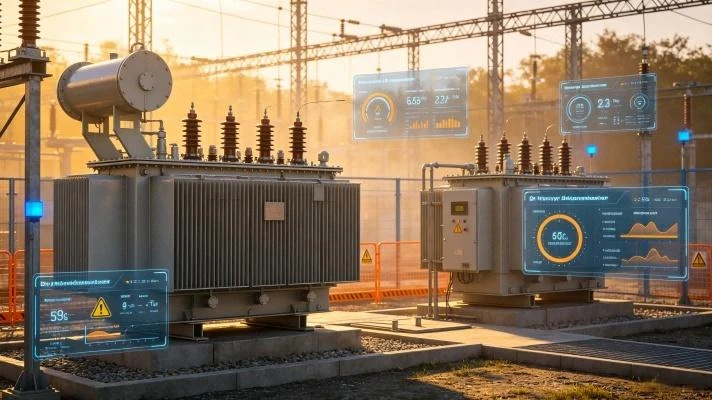
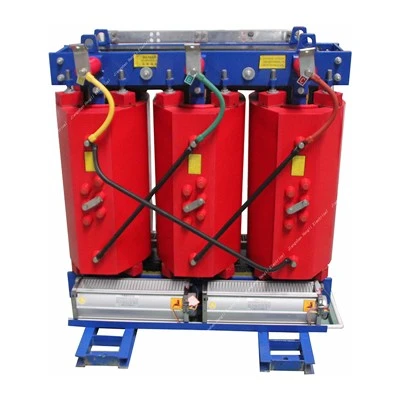
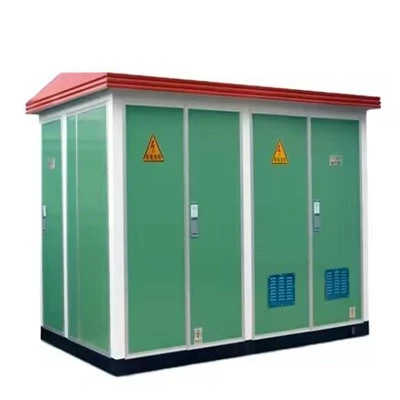
It is also critical to distinguish between different transformer types. Compared with dry type transformer models, oil-immersed transformers feature better heat dissipation and stronger overload resistance. A dry type transformer has much stricter overload limits and shorter allowable overload time, as its insulation system is more sensitive to high temperature. Any improper overload operation poses a higher risk of overheating damage and sudden shutdowns.
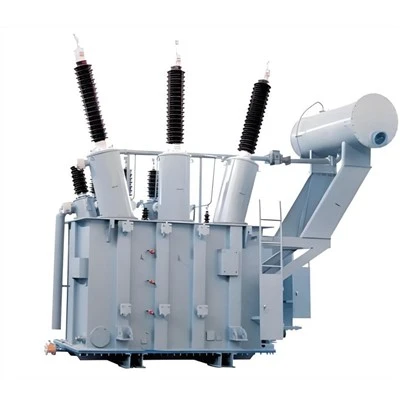
Three core factors determine transformer overload capability: ambient temperature, initial operating load rate, and overall heat dissipation efficiency. All overload operations must be based on a fully functional cooling system. Once heat accumulation exceeds dissipation speed, transformers will trigger protective tripping in mild cases and suffer winding burnout in severe cases. The ultimate safety threshold is the winding temperature, which must never exceed the thermal limit of internal insulation materials.
As a professional transformer manufacturer, Zhejiang Hengli Electrical reminds all power operators that transformer overload is only for short-term emergency use. Long-term frequent overload accelerates insulation aging sharply. A standard transformer with a 20-year service life may fail and need replacement in merely 5 years under continuous overloading. Reasonable load management avoids unnecessary replacement costs and ensures long-term stable operation of both oil immersed distribution transformer and dry type transformer equipment.