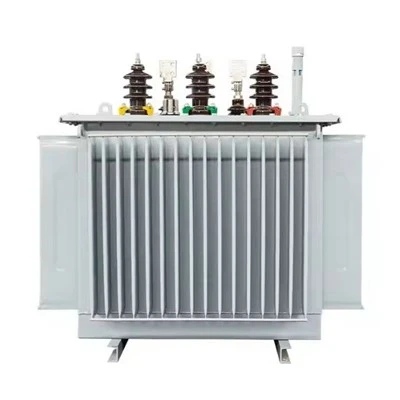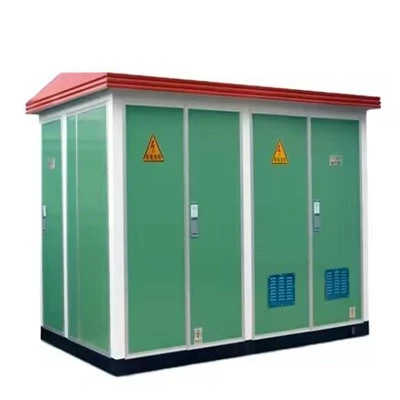

The origins of distribution transformers can be traced back to the development of alternating current (AC) systems. It was discovered that long-distance power transmission using low voltage resulted in significant losses, necessitating a device capable of "stepping up-transmitting-stepping down." As the electromagnetic induction principle of transformers matured, prototype transformers began to appear in early power systems to solve voltage conversion problems, laying the foundation for the development of distribution transformers.
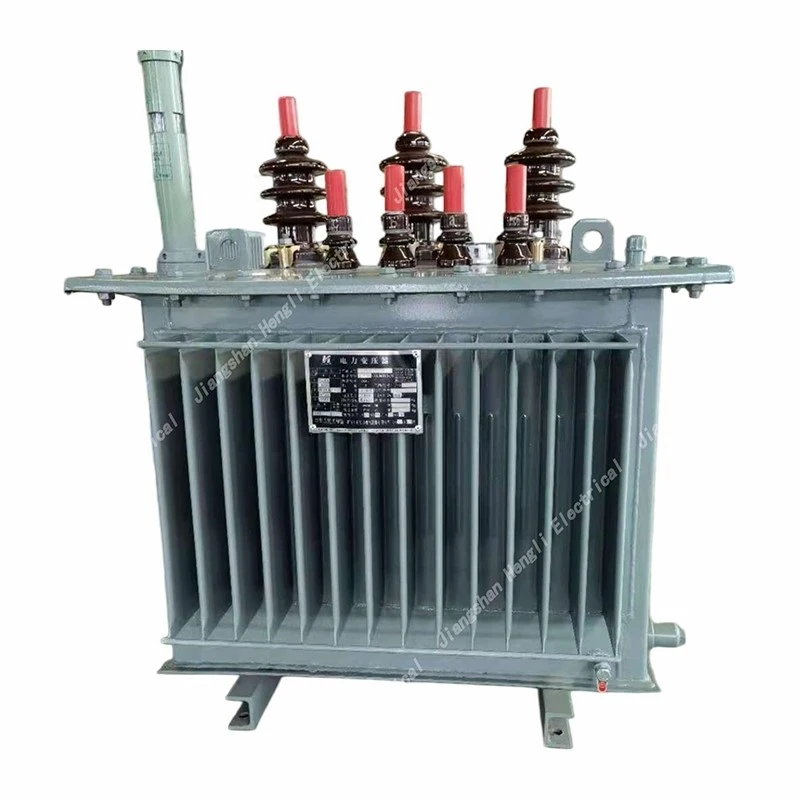
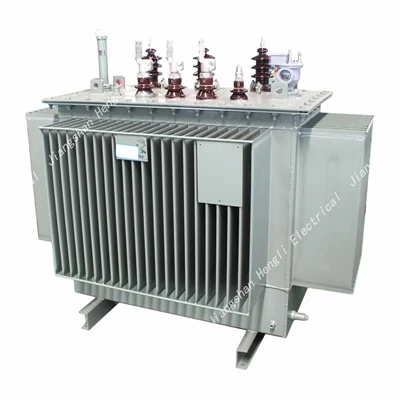
With the continuous expansion of power grids and the rapid growth in urban and industrial electricity demand, distribution transformers gradually evolved from simple structures to standardized equipment. In terms of materials, they progressed from early ordinary iron cores and copper wires to cold-rolled grain-oriented silicon steel cores and high-conductivity copper/aluminum windings. Structurally, they evolved from open structures to oil-immersed sealed structures, improving insulation performance and operational reliability. During this stage, distribution transformers began to be widely used in urban power distribution networks.
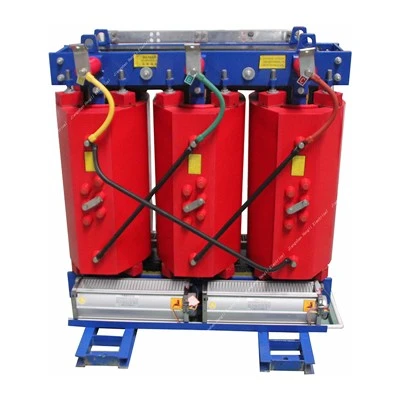
The development focus of distribution transformers shifted to high efficiency, energy saving, and intelligence. The continuous maturation of high-efficiency, low-loss designs, amorphous alloy cores, environmentally friendly insulating oil, and dry-type transformer technology significantly improved their energy efficiency and safety. Meanwhile, with the development of smart grids, distribution transformers have begun to integrate online monitoring, remote control and condition diagnosis functions, realizing the transformation from "passive operation" to "intelligent operation", and the application scope has been further expanded to new energy access and distributed energy systems.