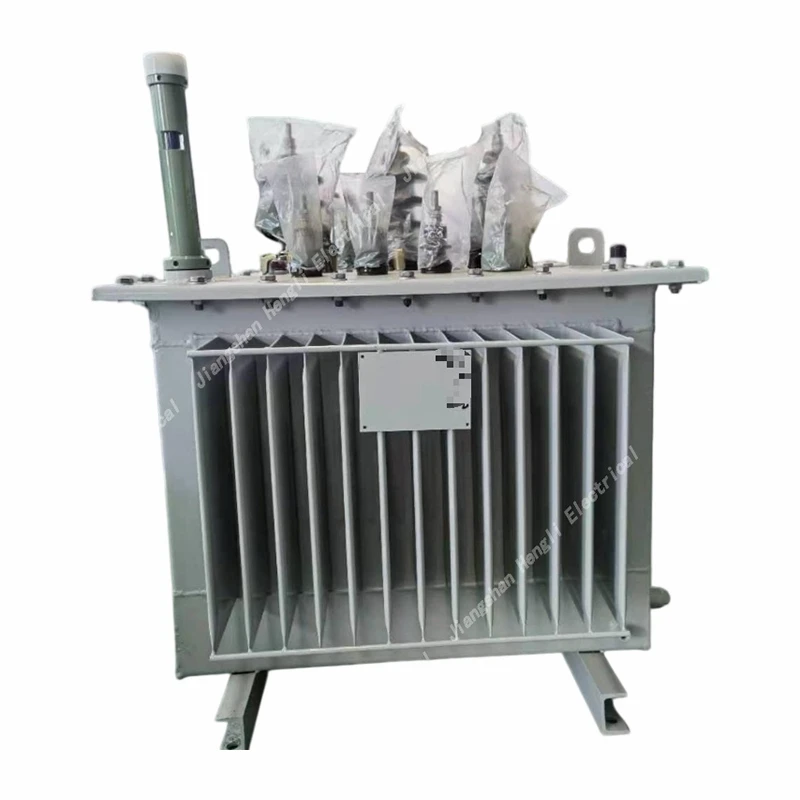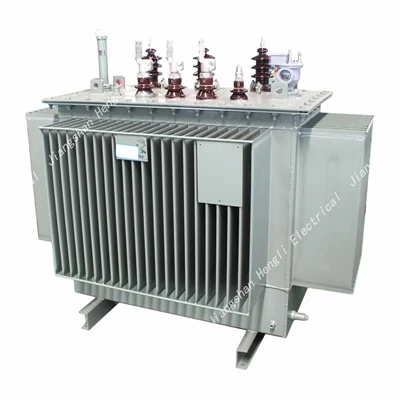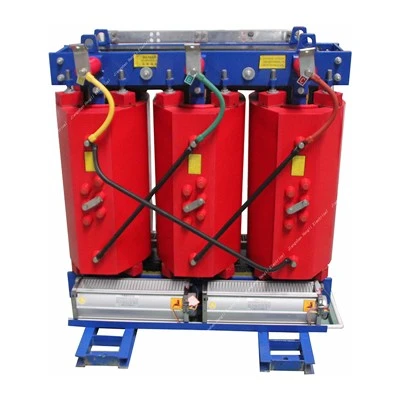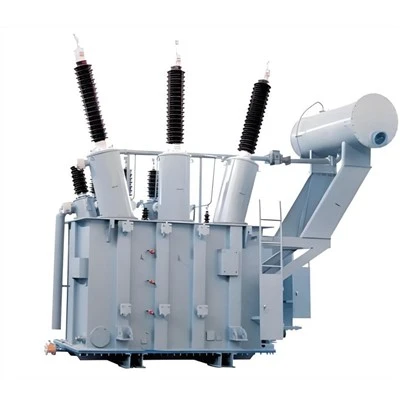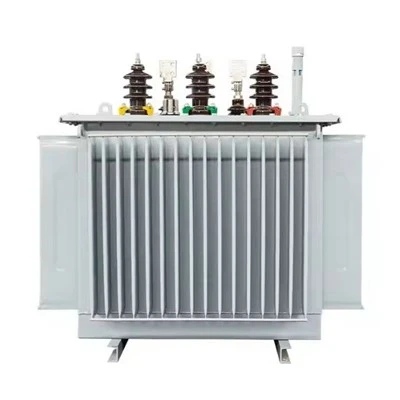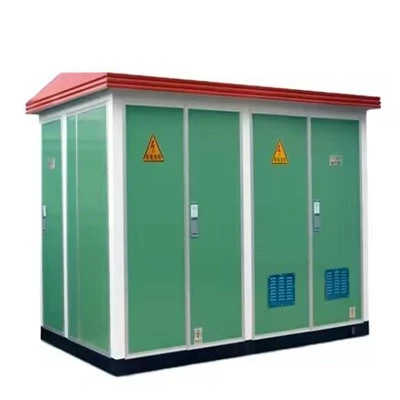

Distribution transformers play a crucial role in power systems, primarily functioning to transform voltage, distribute energy, and ensure electrical safety.
The core function of a distribution transformer is voltage reduction. It reduces the electrical energy from high-voltage transmission lines to a low-voltage level suitable for residential, commercial, or industrial loads. For example, it can reduce 10kV or 35kV to 0.4kV, allowing electrical energy to safely and stably reach the user end.
Distribution transformers also have the function of distributing electrical energy. Through internal low-voltage outgoing circuits, they can distribute electrical energy to different users or load points, achieving three-phase balanced power supply. Some transformers also integrate protection devices and metering functions, facilitating operation management and electricity billing.
Distribution transformers improve the safety and reliability of the power supply system. Through insulation systems, overload protection, short-circuit protection, and temperature control devices, they prevent equipment damage and the spread of grid accidents, providing users with a stable and reliable power supply. Distribution transformers are indispensable hub equipment in urban power distribution networks, industrial parks, and residential communities.