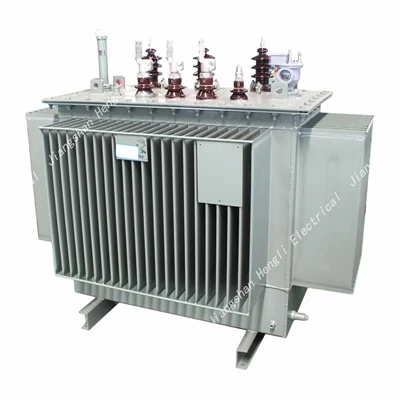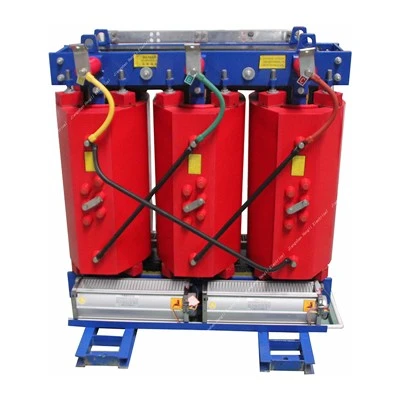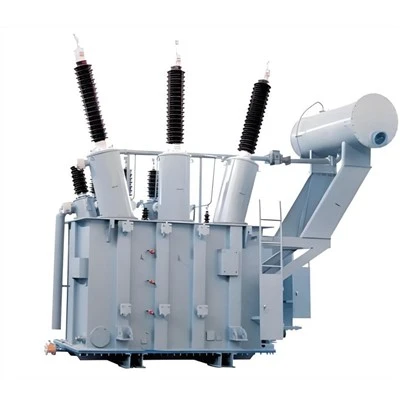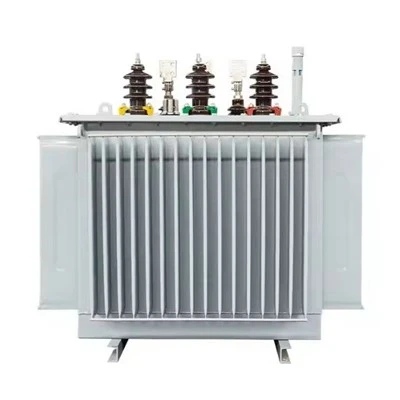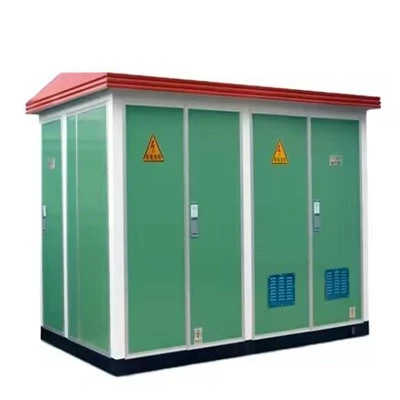

Anyone doing site maintenance knows how unsettling strange transformer noises can be, especially during late-night patrols in quiet power rooms. A steady low hum is expected, yet sudden high-pitched sizzling or intermittent crackling sounds will make even junior technicians worry about sudden equipment failure. For power transformer, distribution transformer and dry type transformer, noise acts like an acoustic health check. Understanding these audio signals and corresponding practical solutions helps maintenance teams catch hidden faults and resolve problems before catastrophic breakdowns happen.

The low-droning hum is completely normal. It originates from magnetostriction inside the silicon-steel core. Under 50 Hz alternating magnetic fields, core laminations experience tiny repeated expansion and contraction. Since each AC cycle triggers two deformation events, the core vibrates 100 times per second, creating this familiar baseline sound that all working transformers produce. No solution is required for this inherent physical phenomenon.
When the regular hum shifts into sharp sizzling noise, two main triggers stand out, each with targeted solutions. First is mechanical loosening. After years of constant 100-Hz vibration, clamping bolts and stacked silicon-steel sheets may loosen. Loose laminations strike and rub against each other under electromagnetic force, generating irregular sizzling noise that grows louder as operational load rises. Solution: During scheduled maintenance, retighten core clamping bolts to specified torque values and inspect internal support structures to eliminate loose components.
Second comes grid harmonic distortion. Modern factories are filled with variable-frequency drives, LED screens and other non-linear loads. Incoming high-order harmonic currents intensify magnetostriction effects and produce piercing squealing sounds, often signalling long-term overloading conditions for your distribution transformer or dry type transformer. Solution: Install series reactors to suppress harmonic interference; redistribute facility loads to avoid continuous transformer overloading.
The most dangerous signal is crackling sounds similar to frying beans, accompanied by faint bluish-purple corona glow and sharp ozone odour. This points to internal partial discharge. Insulation ageing, moisture intrusion or material defects create tiny air gaps within insulation structures. High-voltage electric fields break down these gaps and trigger micro-discharges. Without timely intervention, partial discharge will erode insulation and eventually lead to destructive internal arcing. Unlike circuit breakers, transformers carry no built-in arc-quenching components. Once heavy arcing develops, the unit is usually beyond repair. Solution: Conduct insulation resistance and partial discharge tests immediately; de-energize the transformer for overhaul if severe defects are detected.
As a professional manufacturer, Zhejiang Hengli Electrical pays close attention to anti-vibration design for every power transformer, distribution transformer and dry type transformer before factory delivery. Tight core clamping and high-quality insulation lower the risk of mechanical loosening and partial discharge. Still, field operators should treat unusual noise as a critical warning. We invite industry practitioners to share alternative practical mitigation solutions in comments.