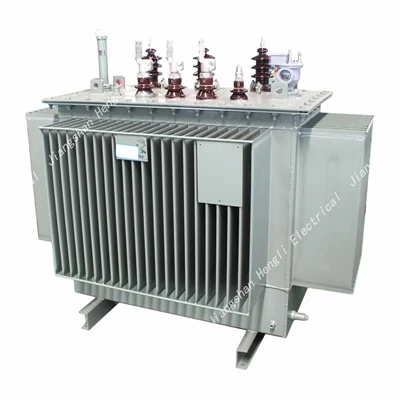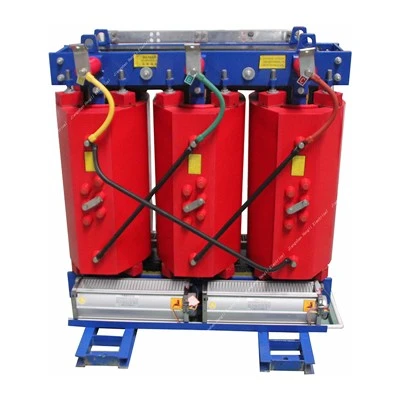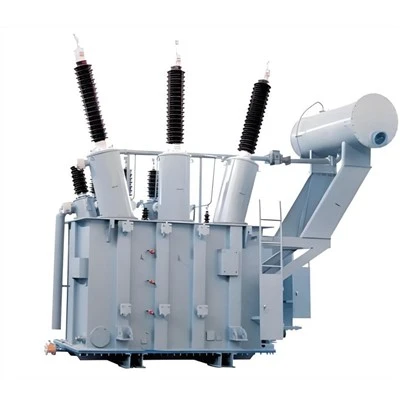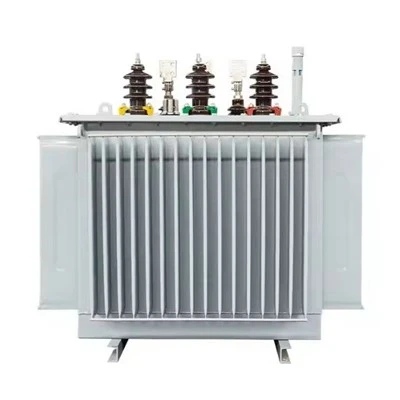

If you take a close look at any transformer nameplate, you will spot two key figures printed near the bottom: no-load loss in kilowatts and load loss in kilowatts. Many site engineers and project buyers glance over these numbers without fully grasping their practical meaning. For a three phase oil immersed transformer, dry type transformer or any general power transformer, these loss values directly reflect long-term operating costs and energy efficiency.
No-load loss, also known as core loss or iron loss, occurs when the transformer is energized but carries zero electrical load. Under this condition, almost all energy waste comes from the magnetizing of the silicon-steel core, while winding current remains minimal. For instance, a nameplate marking of 0.17 kW no-load loss means the transformer continuously consumes 0.17 kW of power just staying powered-on, even with nothing connected to its output side.
Different from iron loss, load loss is commonly referred to as copper loss. This loss originates from heat generated inside winding conductors when the transformer supplies actual customer loads. Taking the example nameplate value of 1.932 kW, this extra power dissipation kicks in only under loaded operating conditions. Without load, copper loss is practically zero, and only iron loss continues to consume power.

We can run simple manual math to visualize monthly energy consumption. With 0.17 kW iron loss running 24 hours a day across 30 days, the monthly no-load energy waste equals 0.17 × 24 × 30 = 122.4 kWh. When the unit runs under full-load conditions, both iron loss and copper loss work simultaneously: total monthly loss reaches (0.17 + 1.932) × 24 × 30 = 1513.44 kWh. Keep in mind this is purely theoretical. Utility companies apply average load rate factors and copper-loss coefficients for real-world transformer loss accounting. Real billing figures will differ from this rough estimation.
As an experienced manufacturer, Zhejiang Hengli Electrical optimizes core and winding design for every three phase oil immersed transformer, dry type transformer and power transformer. We strictly control no-load and load loss to meet modern energy-saving standards, helping end users cut ongoing operational electricity expenses. If you want deeper guidance on practical transformer-loss calculation methods, stay tuned for our follow-up technical articles.