

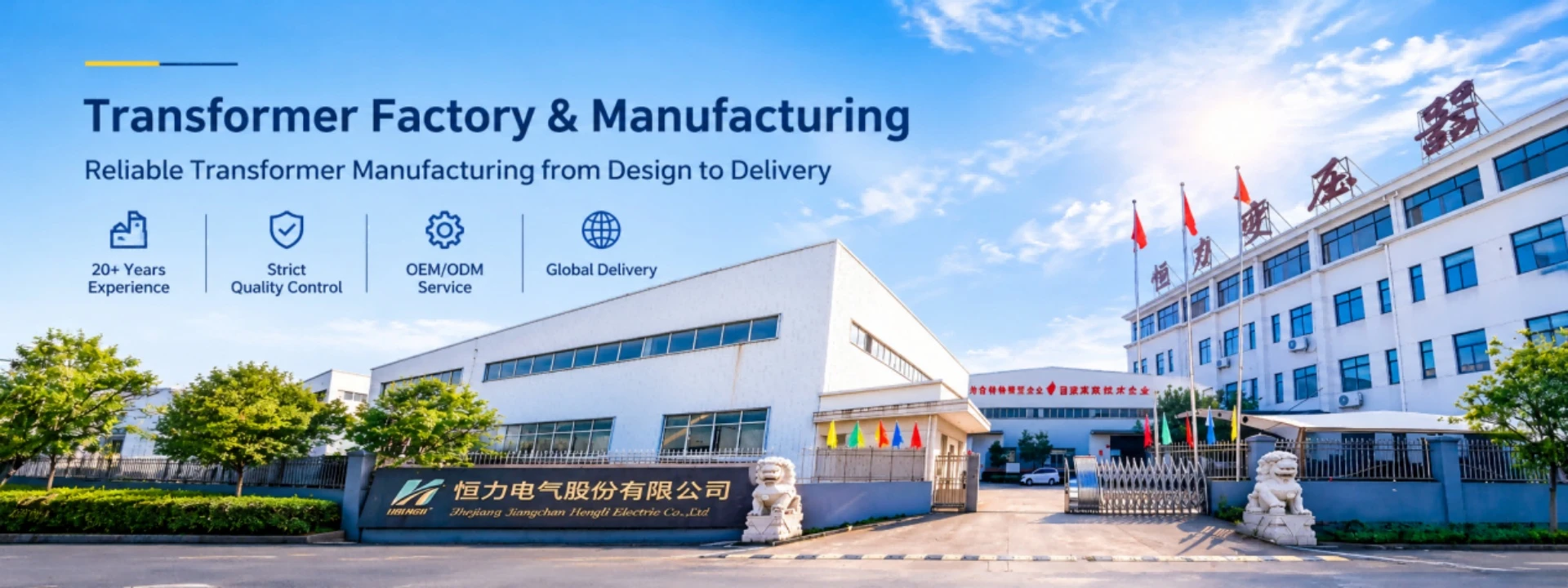
Our Manufacturing Capabilities
Hengli manufactures different types of transformers for distribution networks, industrial applications and power systems. Although their construction and insulation methods vary, most transformer manufacturing processes involve several common stages.
Our manufacturing capabilities cover:
- Oil-Immersed Transformers: Distribution and power transformers using liquid insulation and cooling systems.
- Dry-Type Transformers: Cast resin and VPI designs for indoor and industrial applications.
- Power Transformers: Higher-capacity transformers designed for substations and power system applications.
- Special Transformers: Customized solutions for rectifier, furnace and other special industrial applications.
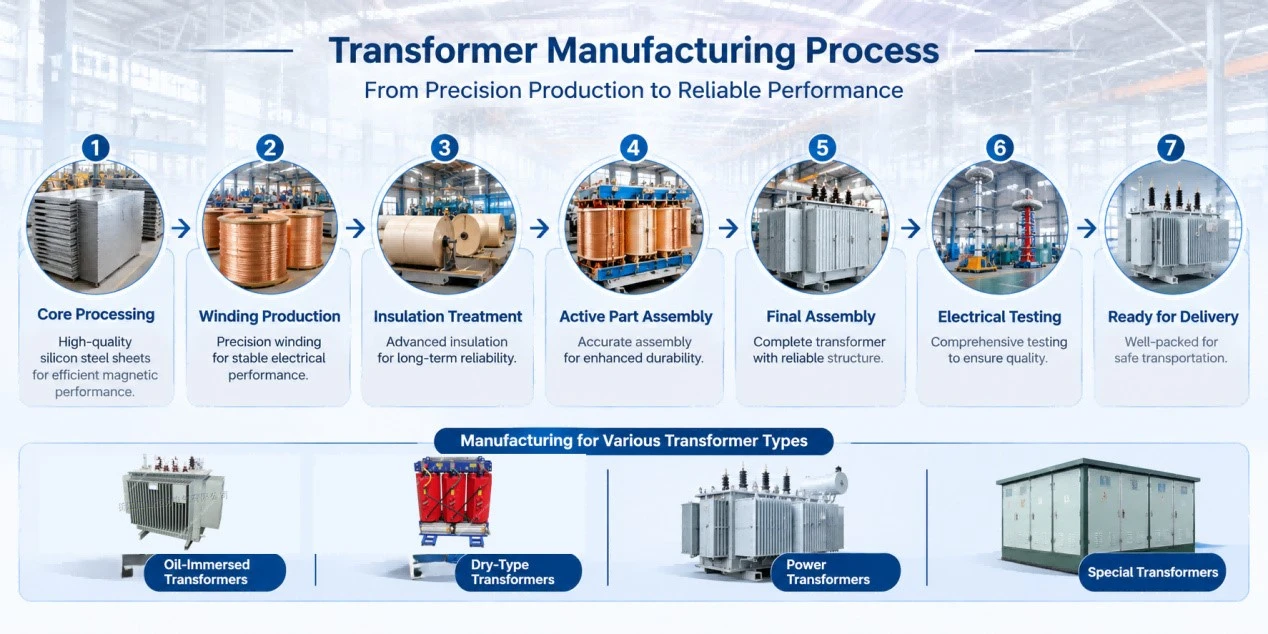
Transformer Manufacturing Process
Transformer manufacturing requires careful control of materials, processing accuracy, insulation structures and assembly quality. The main production stages are outlined below.
1. Core Processing
The transformer core is manufactured using electrical steel sheets processed and assembled according to the specified design.
Cutting accuracy, stacking arrangement and core assembly quality influence magnetic performance, vibration and no-load losses.

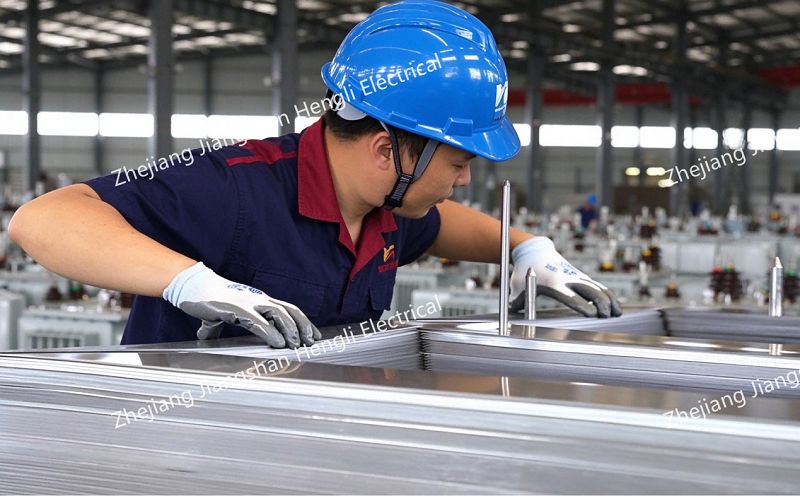
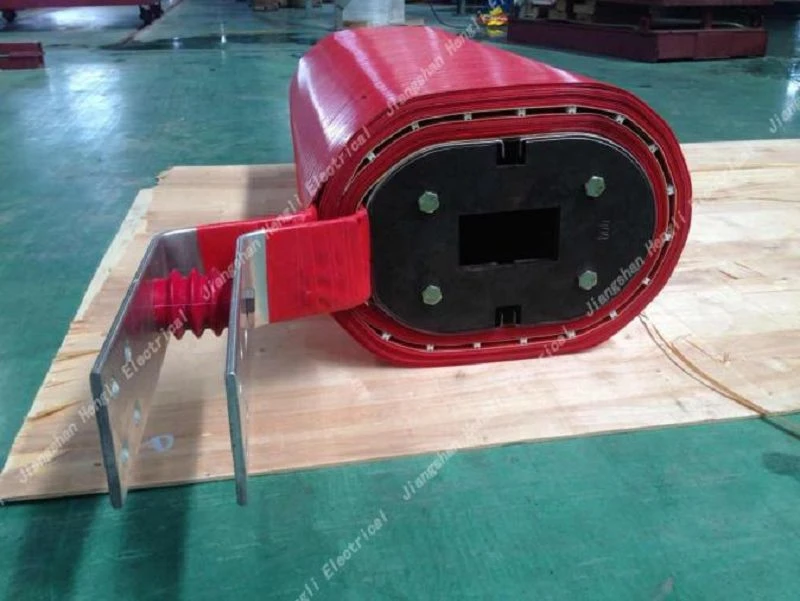
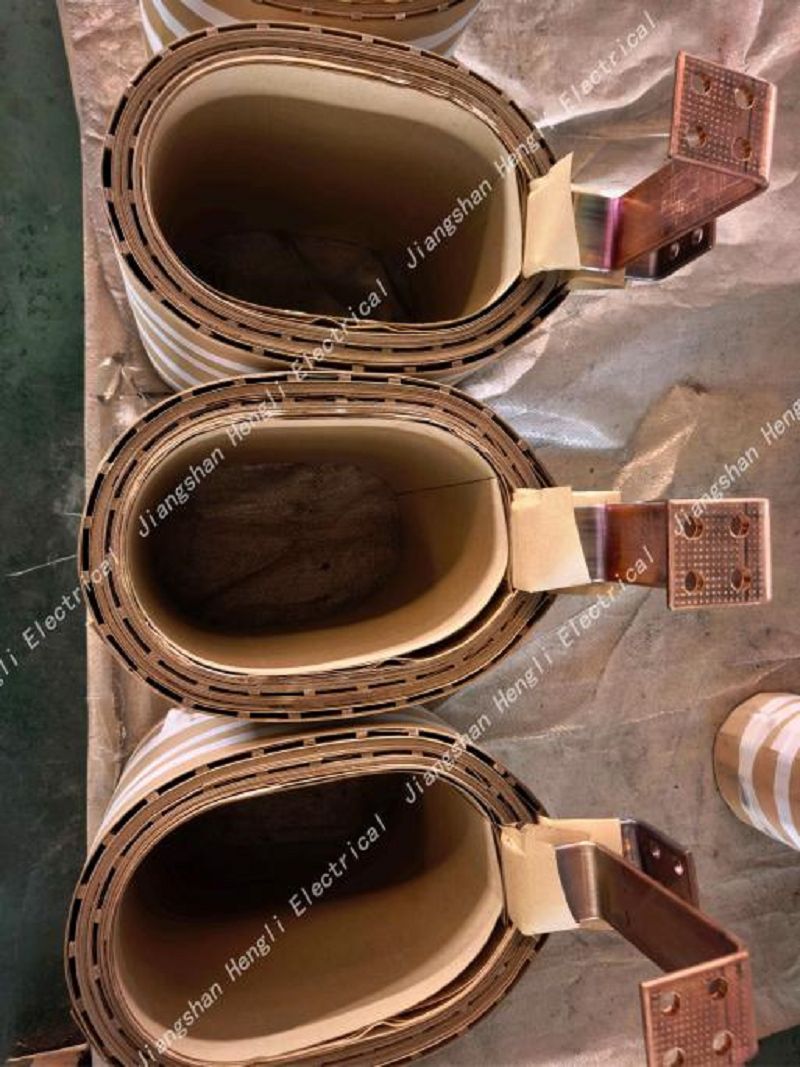
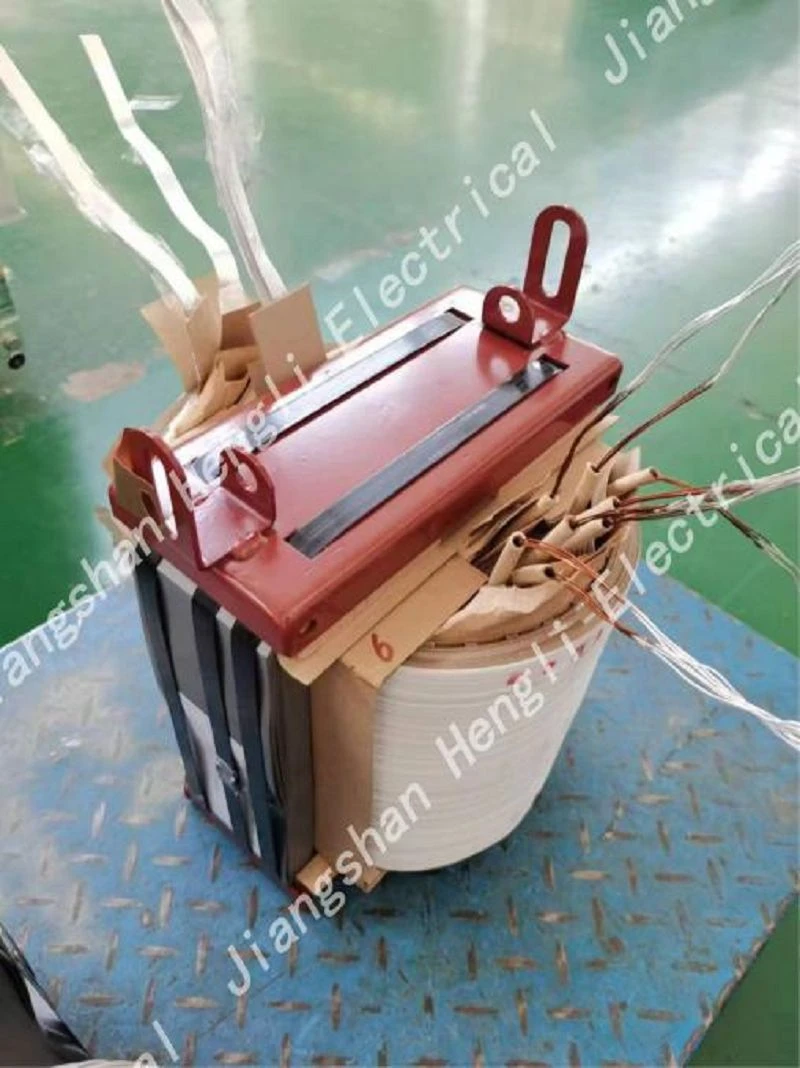
2. Winding Production
High-voltage and low-voltage windings are manufactured according to the required electrical and mechanical specifications.
Copper or aluminum conductors can be selected depending on the design and customer requirements. Winding dimensions, conductor arrangement and insulation application are important considerations during production.
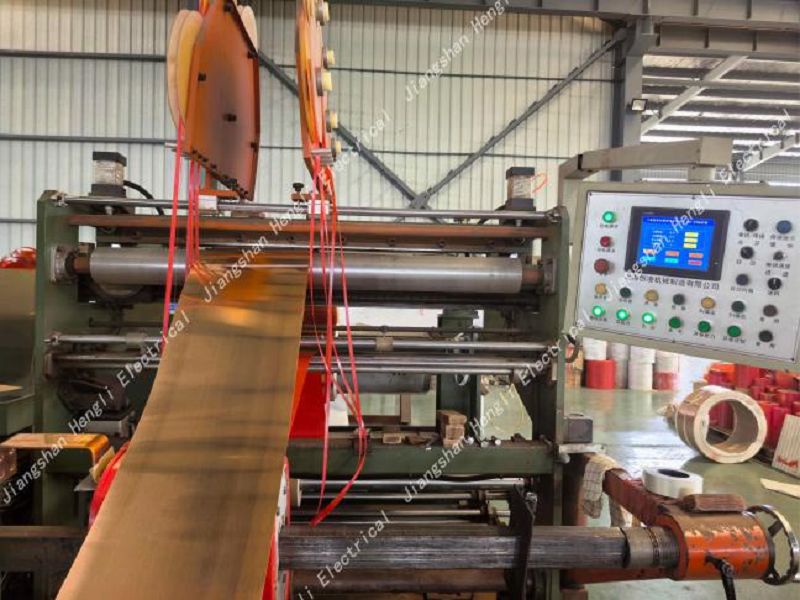
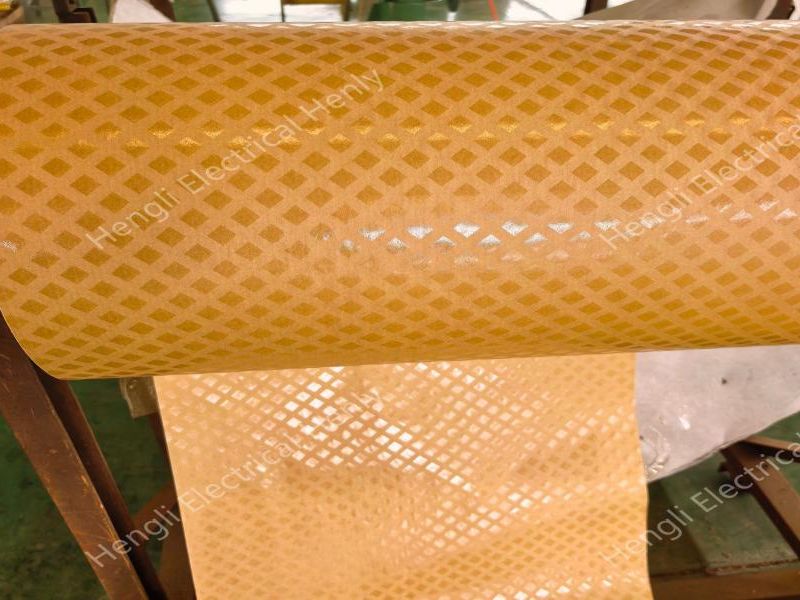
3. Insulation Treatment
The insulation system is designed to withstand the electrical stresses expected during transformer operation.
Insulation materials and construction methods vary according to transformer type:
Oil-immersed transformers use solid insulation combined with transformer oil.
Cast resin dry-type transformers use epoxy resin encapsulation.
For power transformers, insulation arrangements are determined by voltage level, winding configuration and dielectric requirements.
4. Active Part Assembly
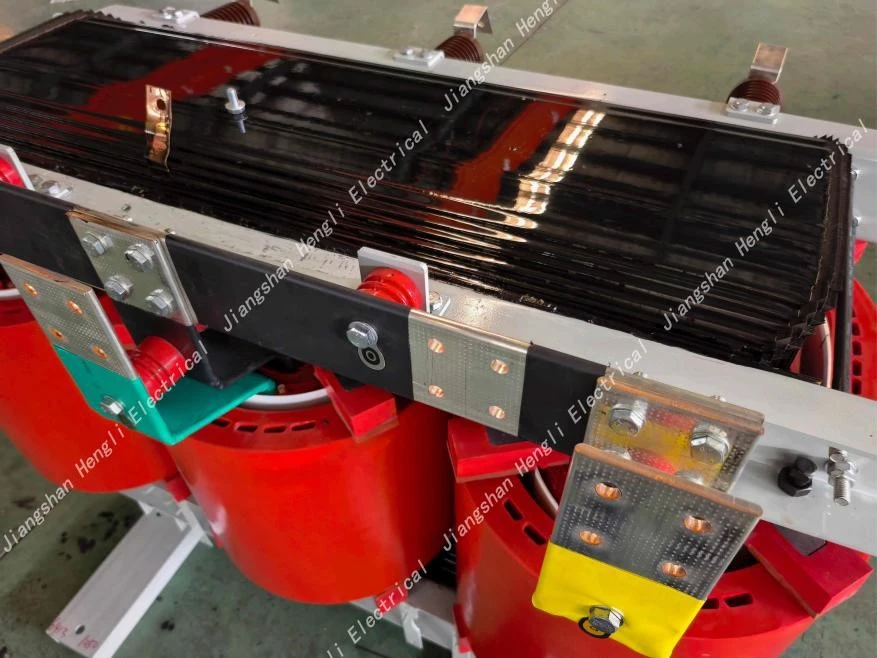
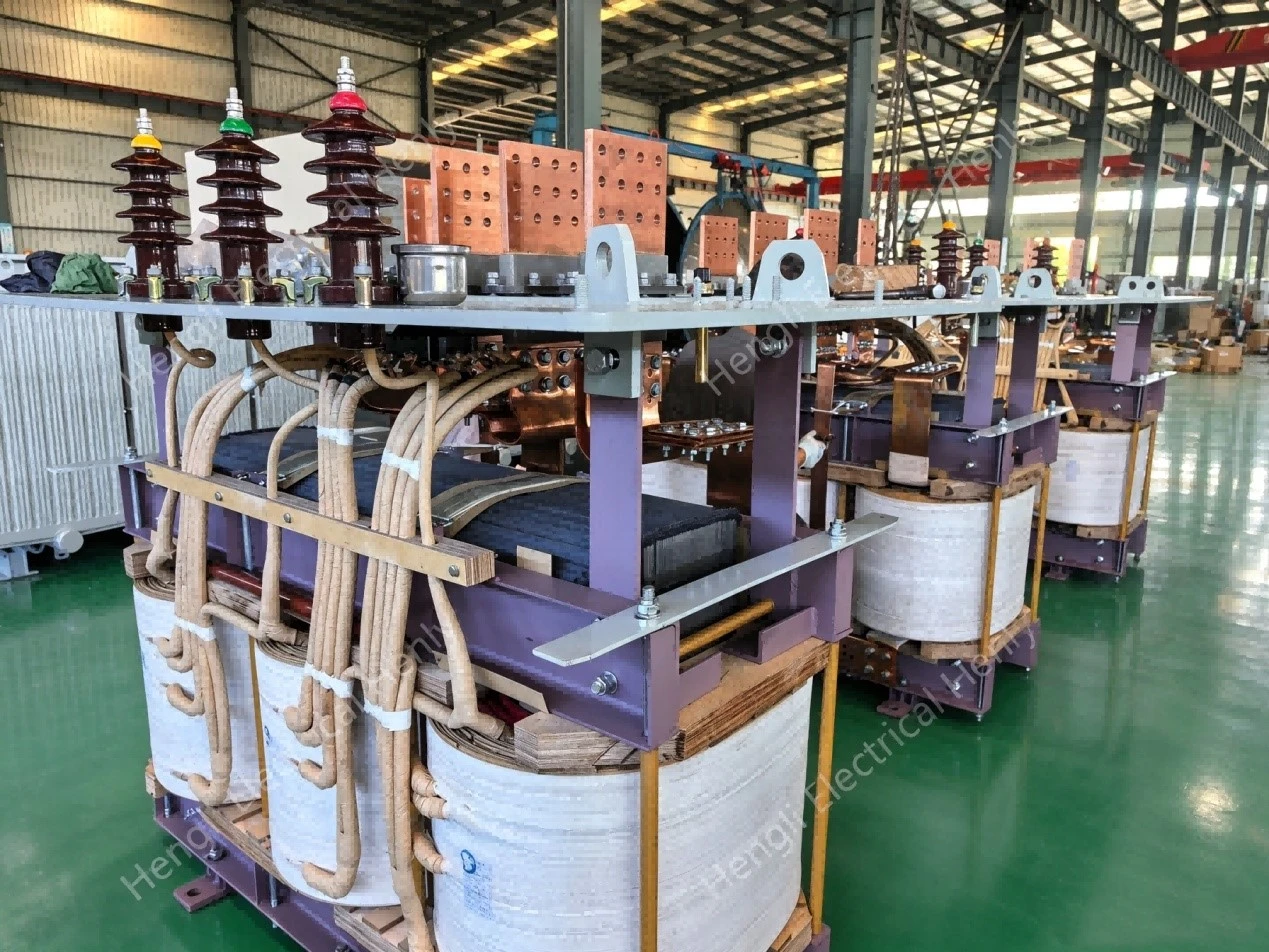
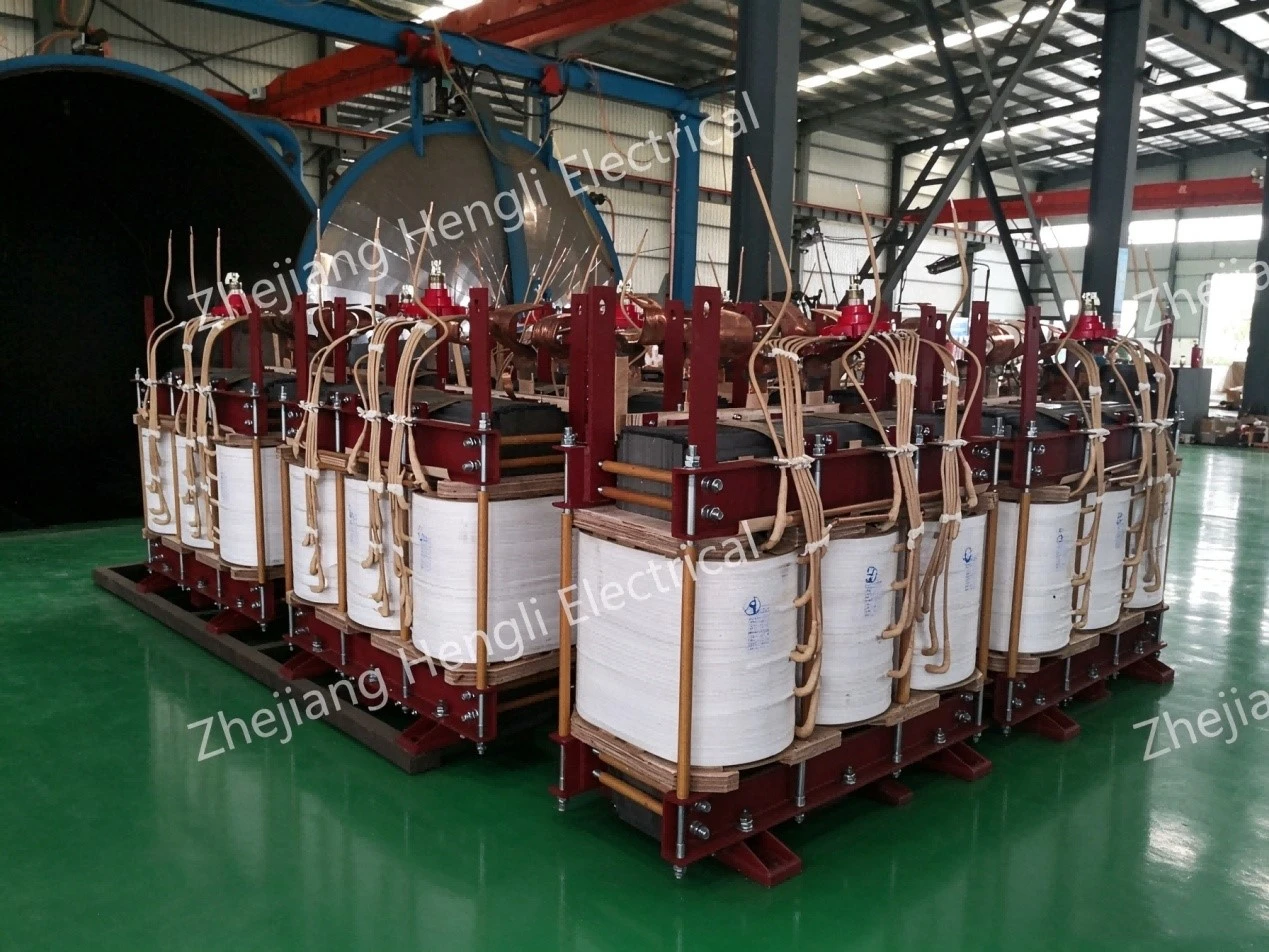
After core and winding production, the main components are assembled according to the approved design.
This stage includes winding positioning, electrical connections, insulation supports and other structural components. Assembly accuracy helps maintain the required electrical clearances and mechanical stability.
5. Final Assembly
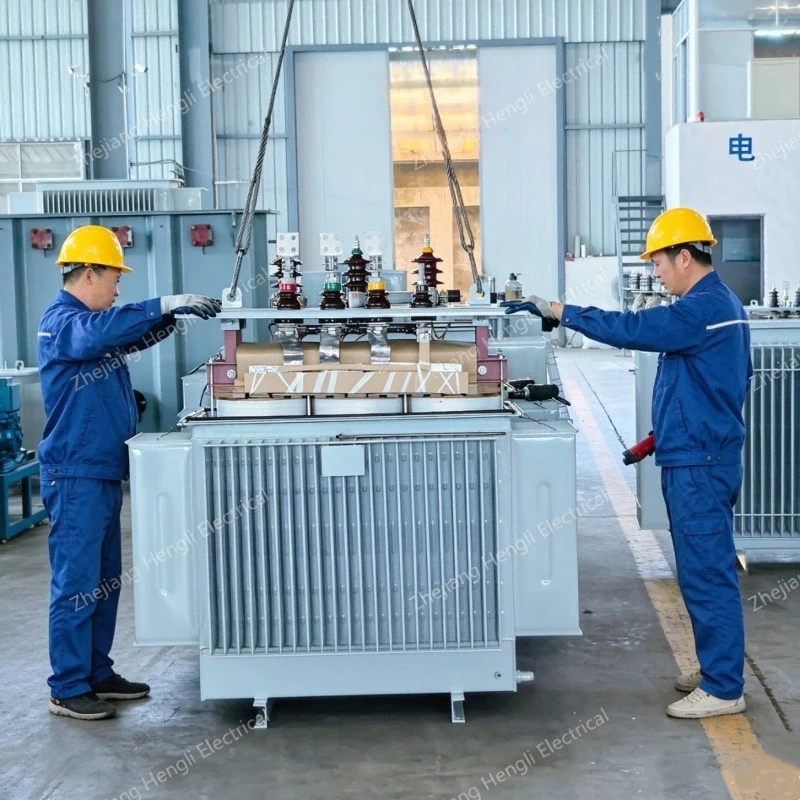
The final assembly process differs according to transformer construction.
For oil-immersed transformers, the active part is installed in the tank, followed by the installation of bushings, cooling components, tap-changing devices and other accessories. The specified drying and oil-filling processes are also completed.
For dry-type transformers, the core and coils are assembled with supporting structures, terminals, cooling components and protective devices.
Power transformers may require larger tanks, additional cooling equipment, more complex winding arrangements and on-load tap-changing systems according to project specifications.
6. Electrical Testing and Final Inspection
Completed transformers undergo inspections and electrical tests according to the applicable standards and order requirements.
Typical tests include:
- Winding Resistance Measurement
- Voltage Ratio and Vector Group Test
- No-Load Loss and Current Measurement
- Impedance Voltage and Load Loss Measurement
- Applied Voltage Withstand Test
- Induced Voltage Withstand Test
- Insulation Resistance Measurement
Additional tests are conducted when required by the product design, applicable standards or customer specifications.
For more details, visit our Quality Control & Testing page.
Manufacturing Equipment
Production equipment supports processing accuracy and manufacturing consistency at different stages.
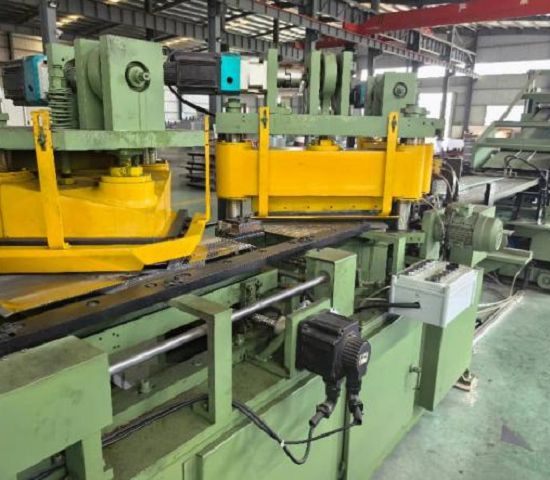
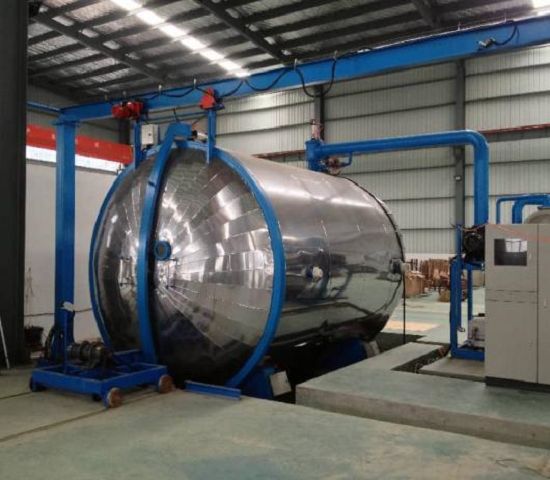
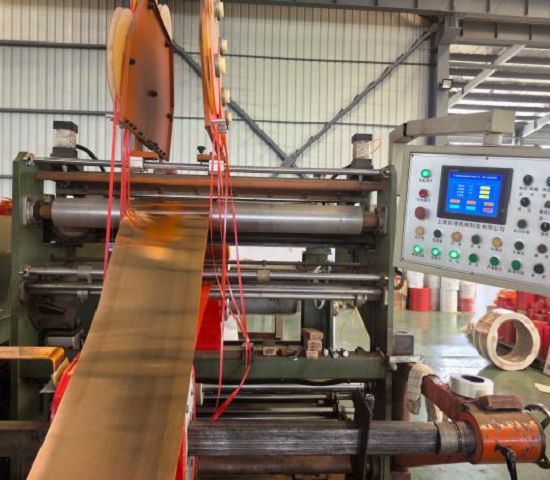
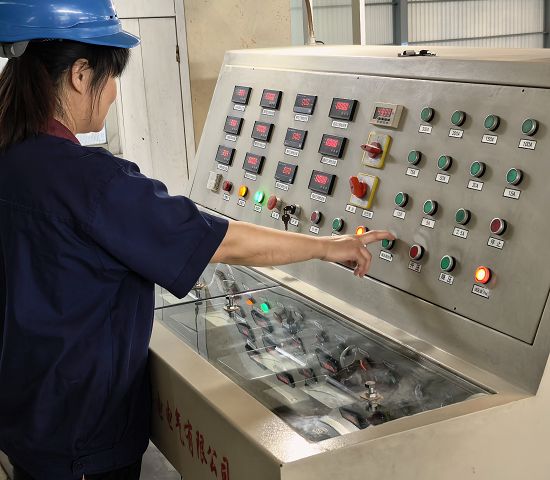
Our transformer manufacturing equipment may include the following categories, depending on the production process:
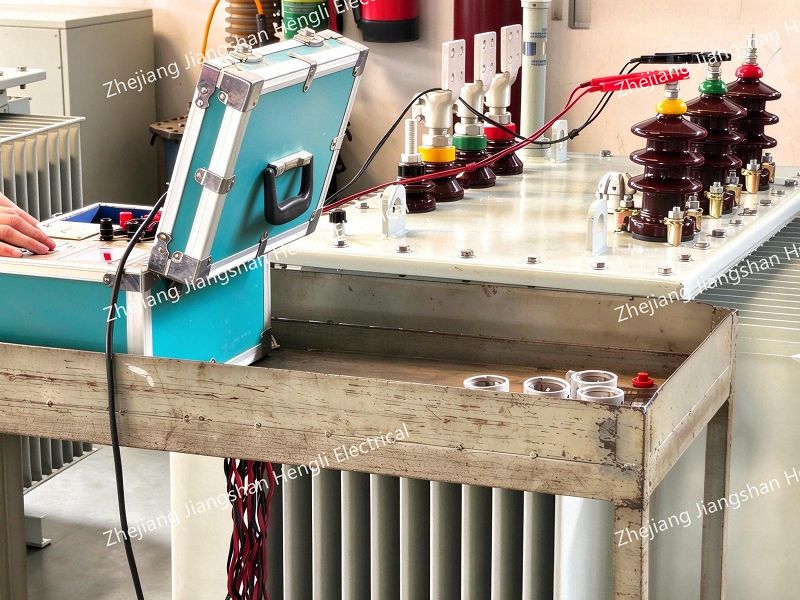
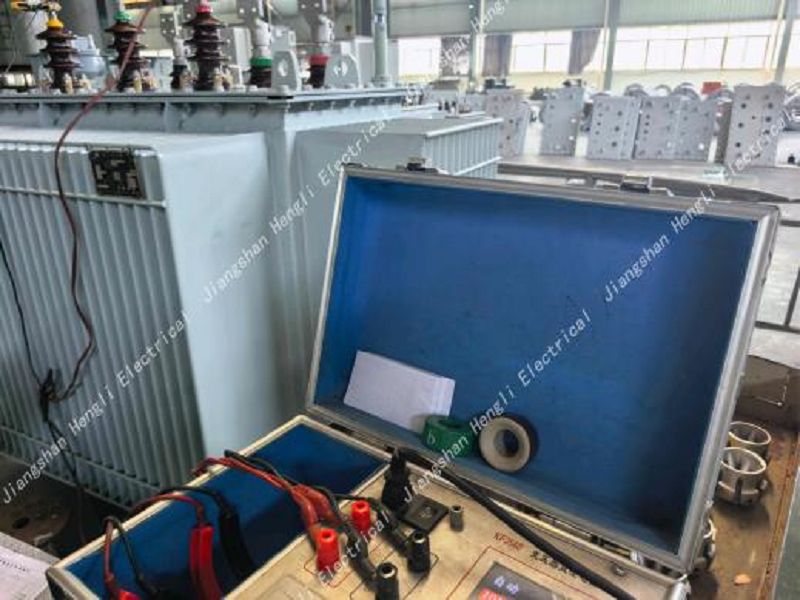
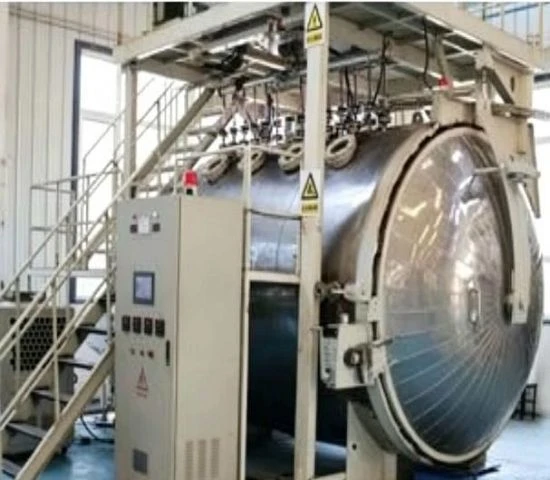
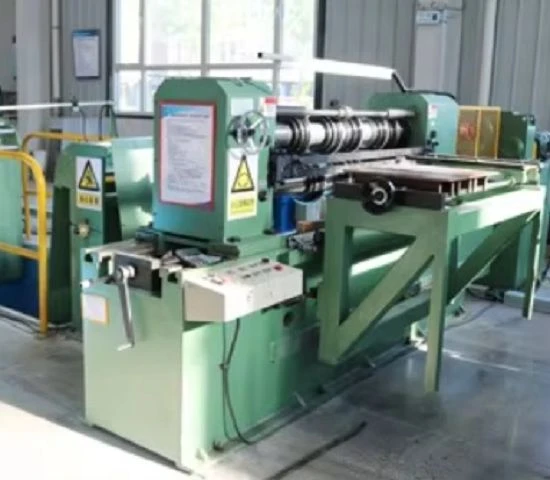
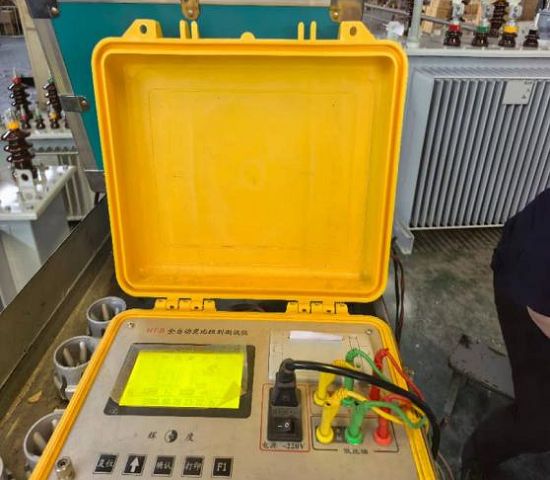
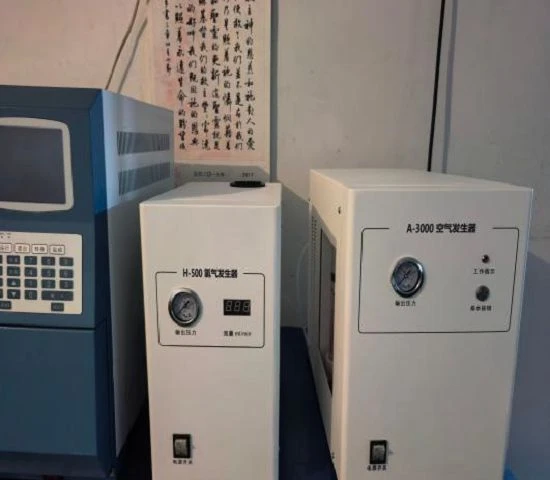
1.Vacuum casting system 2.Cut-to-length line for core sheets 3.Vacuum drying equipment 4.Winding equipment 5.Testing equipment
|
Equipment |
Main Function |
|
Core Cutting Equipment |
Processes electrical steel sheets |
|
Core Assembly Tools |
Supports core stacking and assembly |
|
Winding Machines |
Produces high-voltage and low-voltage windings |
|
Insulation Processing Equipment |
Supports insulation preparation and application |
|
Vacuum Drying Equipment |
Removes moisture from applicable insulation structures |
|
Vacuum Casting Equipment |
Used for epoxy resin casting |
|
Tank Fabrication Equipment |
Supports transformer tank manufacturing |
|
Electrical Testing Equipment |
Measures electrical characteristics and performance |
Equipment selection and process arrangements depend on transformer type and production requirements.
Customized Transformer Manufacturing
Not every project can be covered by a standard transformer configuration. Henly offers customization according to customer specifications and project requirements.
Available options may include:
- Rated capacity and voltage ratio
- Single-phase or three-phase configuration
- Copper or aluminum windings
- Vector group and impedance
- 50 Hz or 60 Hz frequency
- Cooling method
- Tap-changing arrangement
- Tank and enclosure configuration
- Applicable IEC, GB/T or other specified standards
For customized projects, customers can provide technical datasheets, single-line diagrams, drawings or project specifications for evaluation.
Our team reviews the available information before confirming the technical configuration and manufacturing requirements.
From Manufacturing to Final Delivery
Manufacturing quality depends on every stage, from material preparation to final assembly and testing.
Before shipment, completed transformers are inspected according to the confirmed technical requirements. Relevant inspection and test documents can be provided based on the order.
Export packaging is arranged according to product dimensions, transportation methods and destination requirements, with suitable protection against moisture, impact and handling damage.
Our aim is to deliver transformers that match the agreed specifications and are prepared for their intended operating conditions.
Frequently Asked Questions
Q: 1. What Types Of Transformers Does Hengli Manufacture?
A: Henly manufactures oil-immersed distribution transformers, dry-type transformers, power transformers and special-purpose transformers.
Q: 2. What Are The Main Stages Of Transformer Manufacturing?
A: The main stages include core processing, winding production, insulation treatment, active part assembly, final assembly and electrical testing. Specific processes vary according to transformer construction.
Q: 3. What Is The Difference Between Oil-Immersed And Dry-Type Transformer Manufacturing?
A: Oil-immersed transformers use liquid insulation and cooling, requiring processes such as active part drying, oil filling and tank sealing. Dry-type transformers use solid insulation, with processes such as epoxy resin casting or VPI treatment depending on the design.
Q: 4. Can Transformers Be Manufactured According To Customer Specifications?
A: Yes. Customization can cover rated capacity, voltage ratio, winding material, vector group, impedance, cooling method and enclosure configuration, subject to technical evaluation.
Q: 5. What Materials Are Used For Transformer Windings?
A: Copper and aluminum are both used. The selection depends on electrical requirements, transformer design and customer specifications.
Q: 6. Are Transformers Tested Before Delivery?
A: Yes. Completed transformers undergo the inspections and tests specified by the applicable standards and purchase agreement. Test reports can be provided according to order requirements.
Q: 7. What Information Is Needed For A Transformer Quotation?
A: Basic information includes rated capacity, primary and secondary voltage, phase, frequency, vector group, installation environment and applicable standard. Drawings and project specifications are welcome if available.