

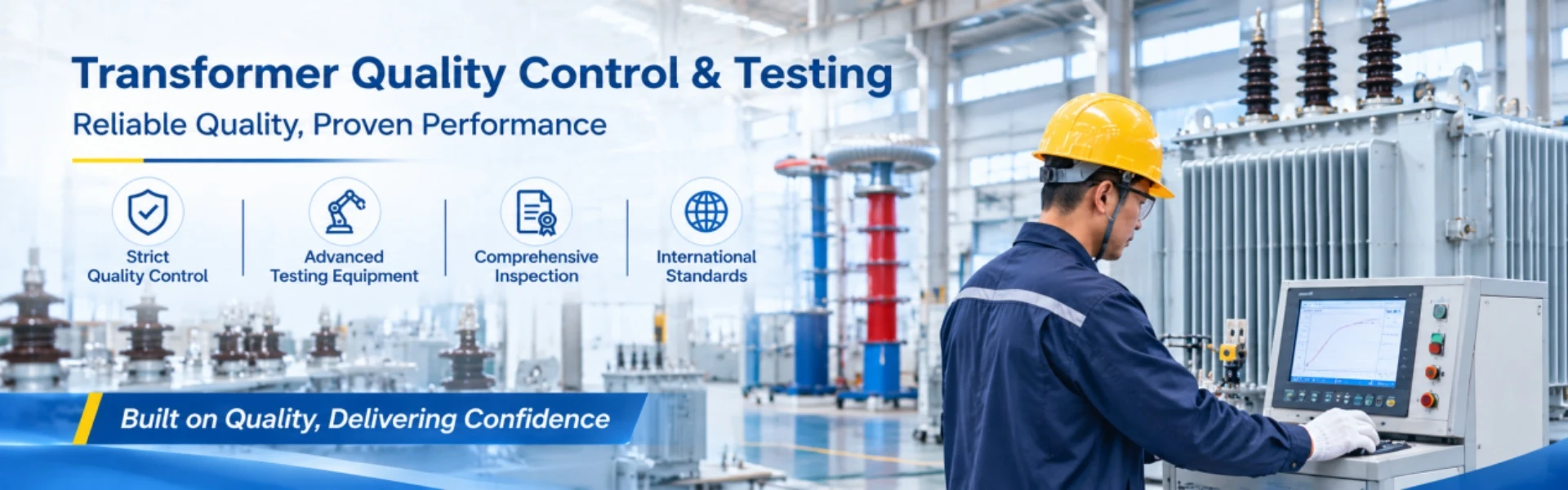
Quality Control at Every Stage of Transformer Manufacturing
At Zhejiang Jiangshan Hengli Electrical Co., Ltd. (Also known as Henly Power), quality control is an essential part of transformer manufacturing. Since 2003, we have focused on producing oil-immersed distribution transformers, dry-type transformers, power transformers and special-purpose transformers.
Transformer quality depends on more than the final electrical test. The quality of raw materials, core processing, winding production, insulation treatment and component assembly all influence the finished product's performance and service life.
Our quality control procedures cover material inspection, in-process checks, component inspection and final electrical testing. Each stage is intended to identify potential issues before they affect the next manufacturing operation.
Our objective is to ensure that finished transformers meet the confirmed technical specifications and applicable product standards.
Our Transformer Quality Control Process
1. Raw Material Inspection
The quality of raw materials directly affects transformer performance. Incoming materials are checked against the relevant technical and purchasing requirements before being used in production.
Main inspection items include:
- Copper and Aluminum Conductors: Check conductor dimensions, surface condition and relevant material specifications.
- Electrical Steel Sheets: Inspect material specifications, thickness and surface condition to support the required magnetic performance.
- Insulation Materials: Check material type, dimensions and insulation specifications according to the transformer design.
- Transformer Oil: Verify the specified oil type and relevant quality documentation before use.
- Structural Materials: Check steel plates, fasteners and other materials against the approved drawings and requirements.
Material inspection helps prevent unsuitable components from entering the manufacturing process.
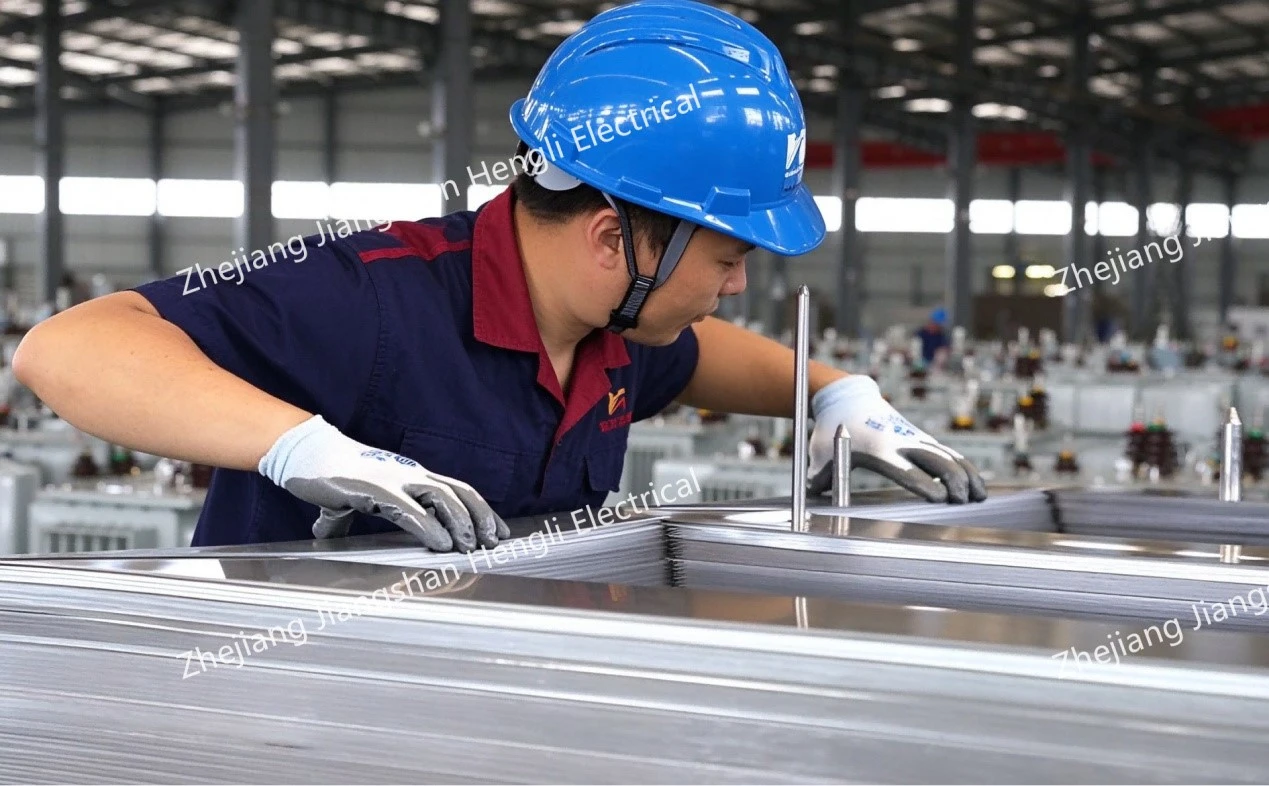
2. Core and Winding Quality Inspection
The transformer core and windings are two critical components that directly influence electrical performance and operating reliability.
Core Inspection
During core processing and assembly, attention is given to:
- Lamination dimensions and stacking arrangement
- Core assembly accuracy
- Insulation condition between laminations
- Core clamping and structural stability
- Visible damage and foreign materials
Proper core assembly helps control no-load losses, vibration and magnetic performance.
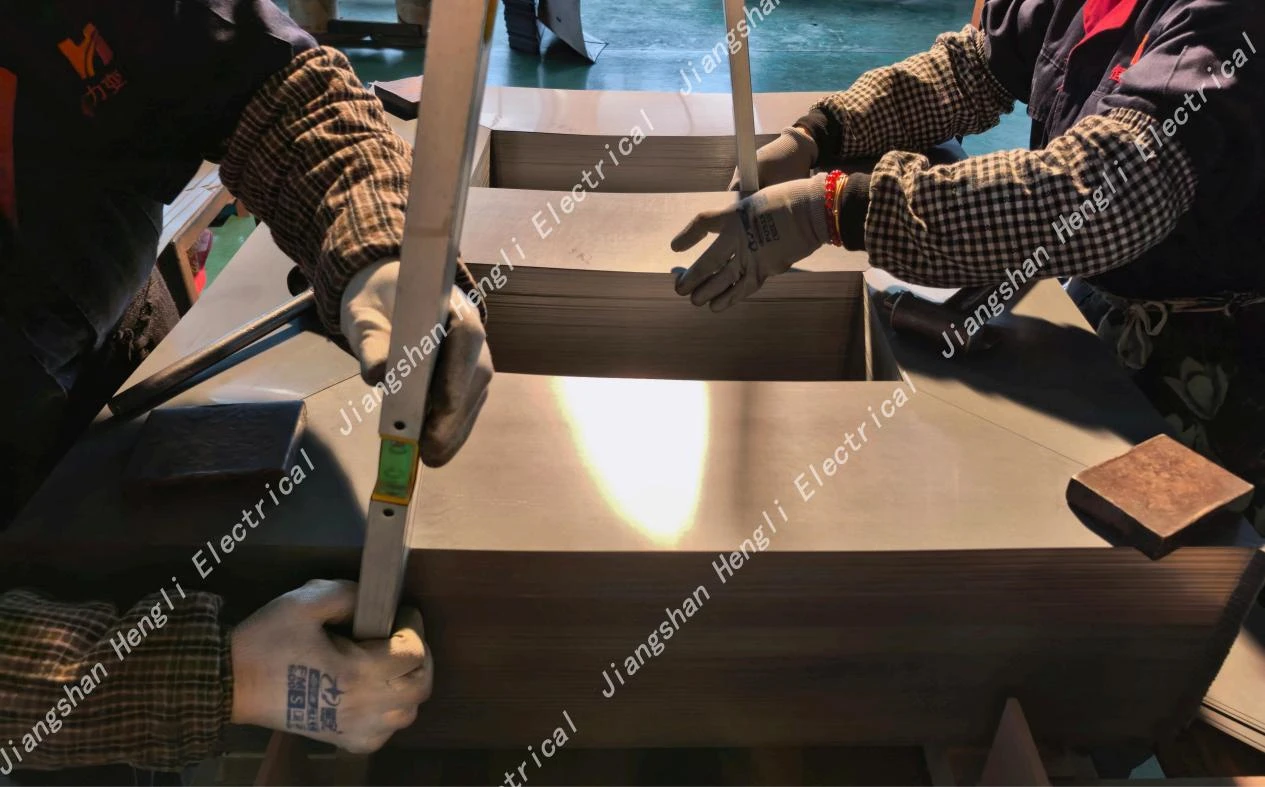
Winding Inspection
Winding quality checks focus on:
- Conductor material and dimensions
- Winding turns and arrangement
- Winding dimensions and mechanical condition
- Insulation coverage and surface condition
- Electrical connections and lead arrangement
For oil-immersed and dry-type transformers, winding insulation methods differ according to the construction. Inspection requirements are therefore determined by the relevant product design.
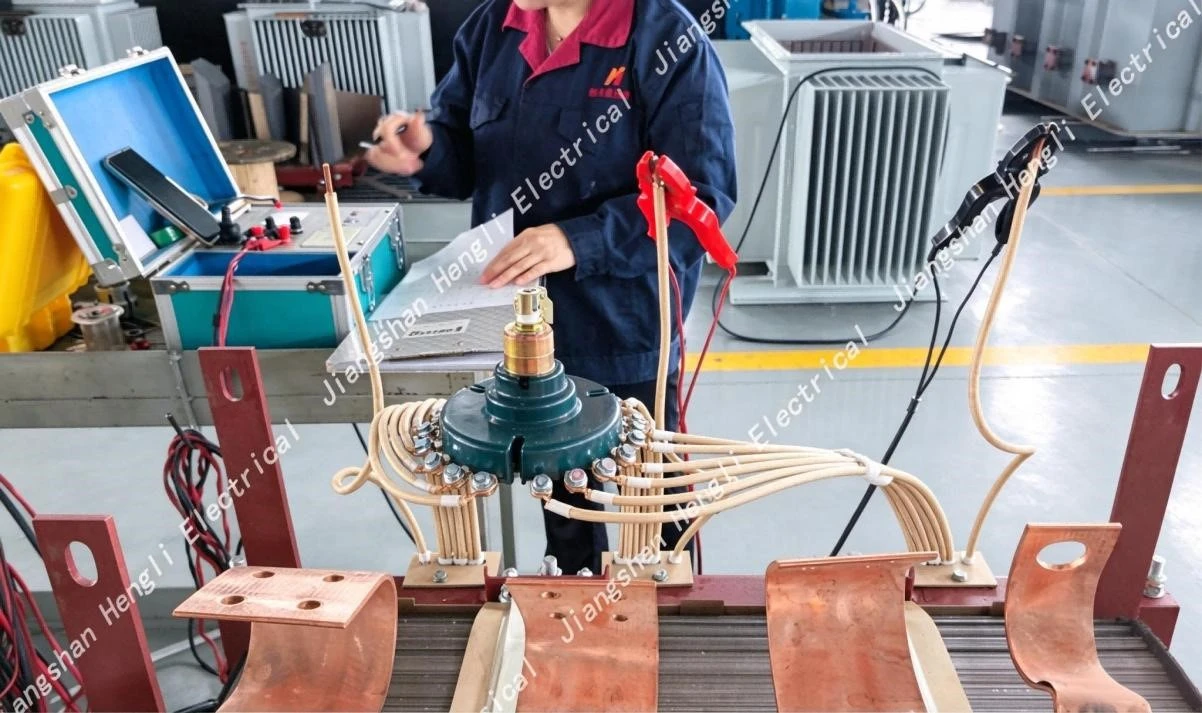
3. Insulation System Inspection
The insulation system separates electrical conductors and withstands the electrical stresses generated during transformer operation.
Different transformer types use different insulation structures.
- Oil-Immersed Transformers: Inspect solid insulation components, insulation arrangement and relevant clearances. The active part undergoes the specified drying process before oil filling.
- Cast Resin Dry-Type Transformers: Check coil encapsulation, resin coverage, curing condition and visible surface defects.
- VPI Dry-Type Transformers: Inspect insulation wrapping, impregnation quality and winding condition according to the specified process.
For higher-voltage power transformers, insulation coordination and electrical clearances require particular attention according to the design and applicable standards.
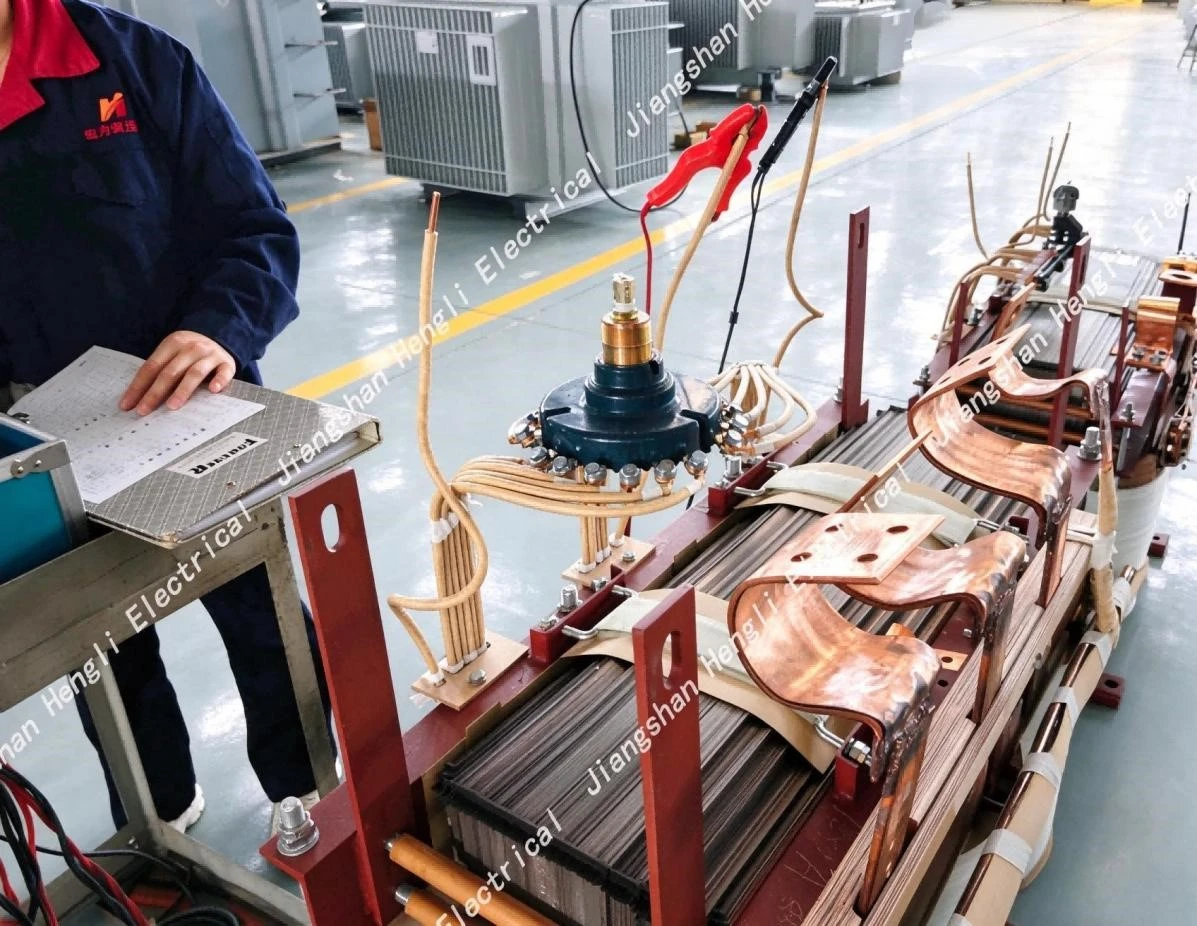
4. Tank, Enclosure and Component Inspection
Mechanical construction and accessory installation are also important parts of transformer quality control.
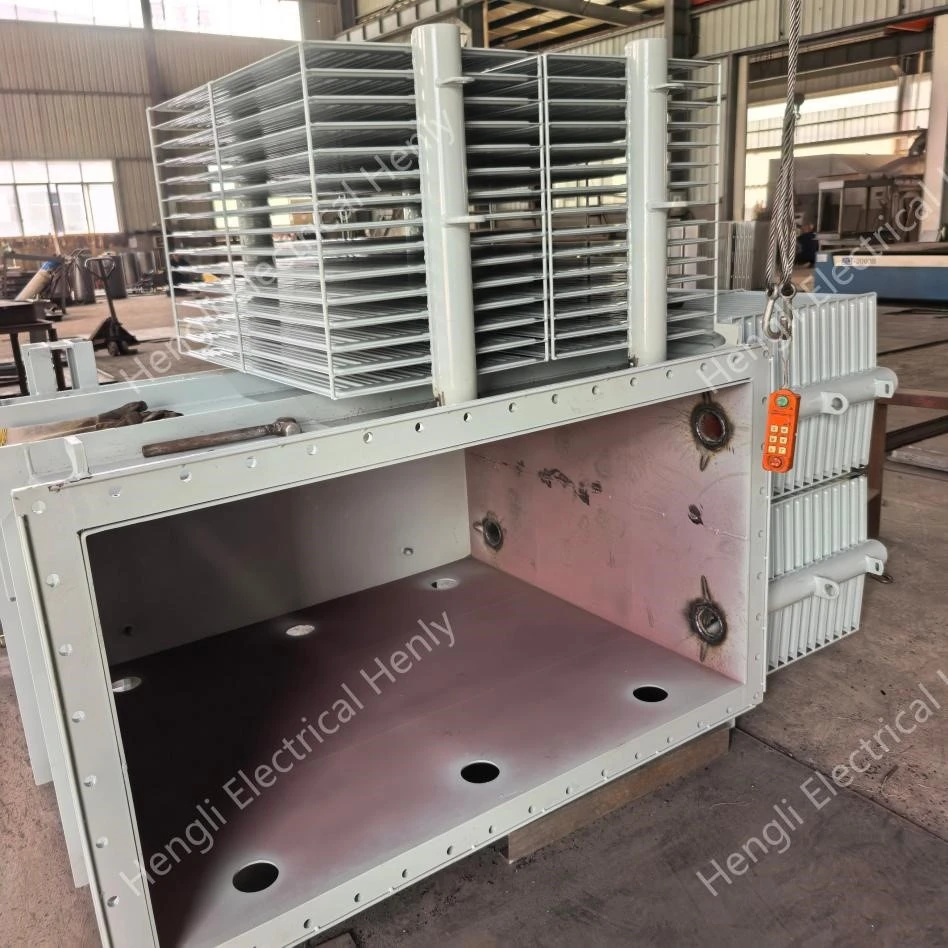
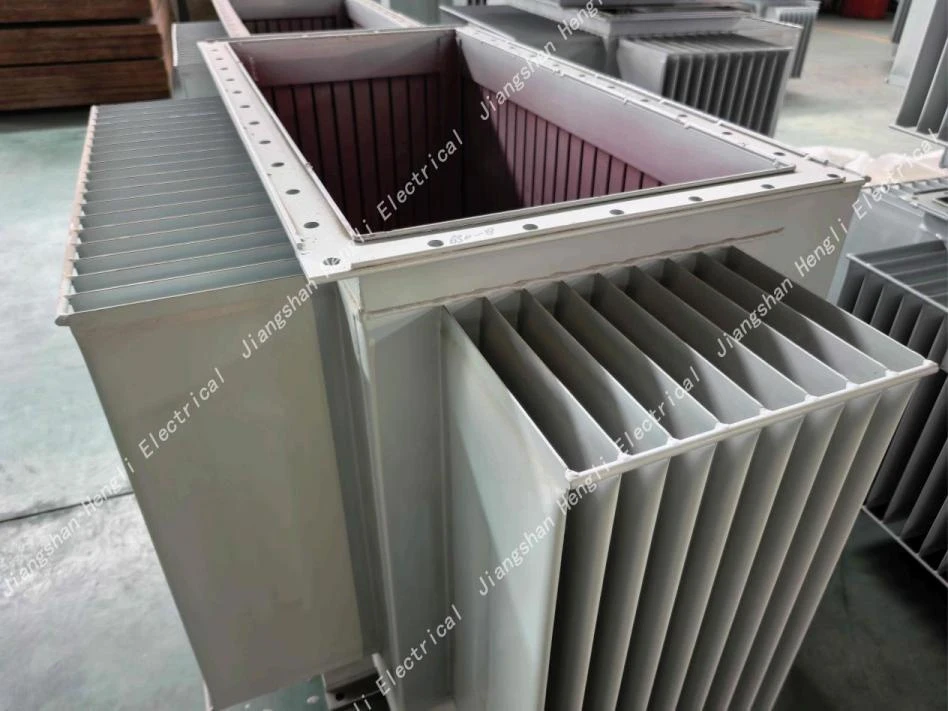
For oil-immersed transformers, inspection includes:
- Tank dimensions and fabrication quality
- Welding appearance and joint condition
- Radiator and cooling component installation
- Bushing and terminal connections
- Gasket and sealing arrangements
- Leakage inspection according to the specified procedure
For dry-type transformers, inspection focuses on the enclosure, supporting structures, terminals, cooling fans and protective devices where applicable.
Accessories such as tap changers, temperature indicators, pressure relief devices and gas relays are checked according to the transformer configuration.
These inspections help ensure correct assembly and reduce the risk of leakage, connection problems and mechanical defects.
5. Final Assembly Inspection
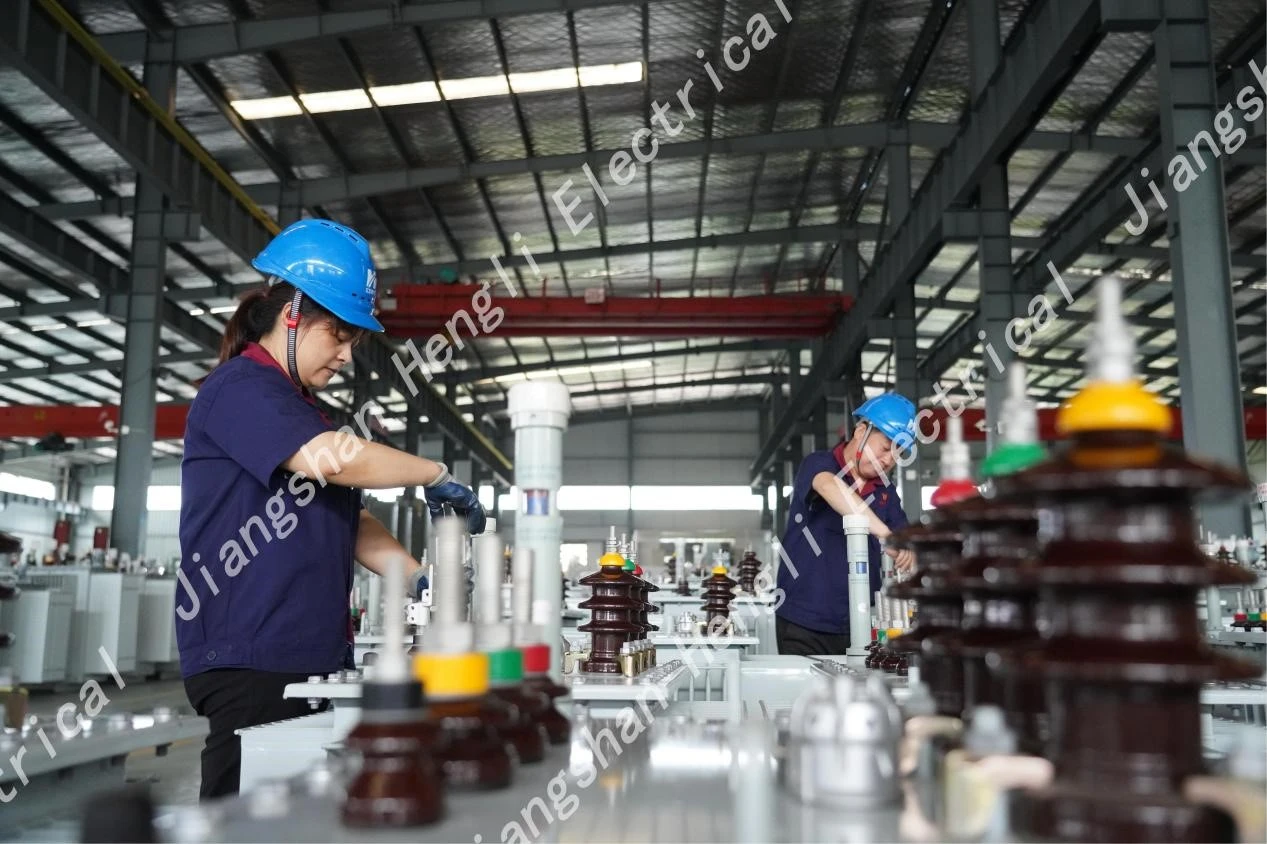
Before electrical testing, the completed transformer undergoes a final assembly inspection.
The main checks include:
- Correct component installation
- Internal and external electrical connections
- Terminal arrangement and phase identification
- Earthing connections
- Nameplate information and product identification
- Appearance and overall assembly condition
The actual inspection items depend on transformer type and the approved technical drawings.
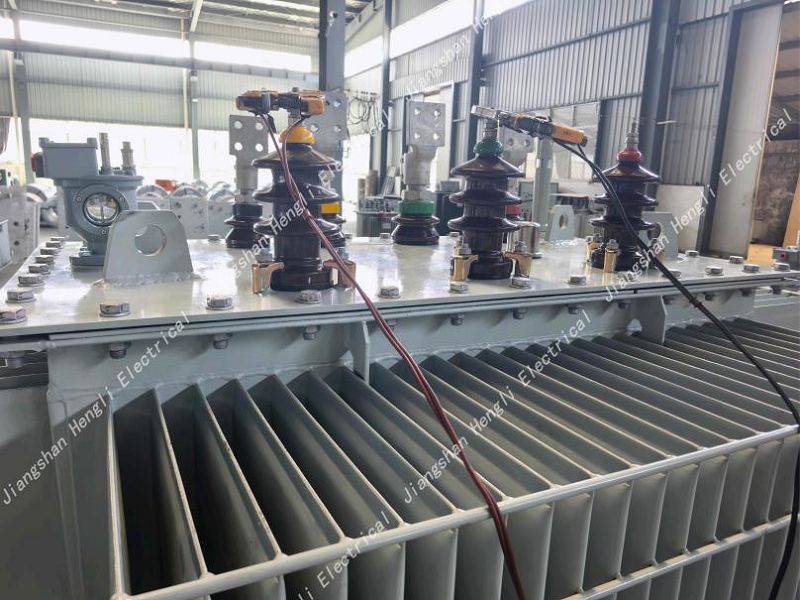
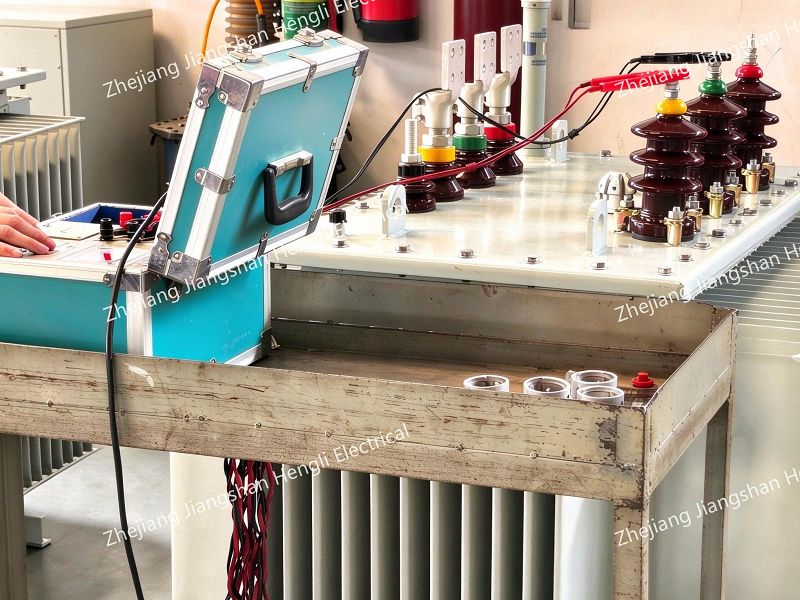
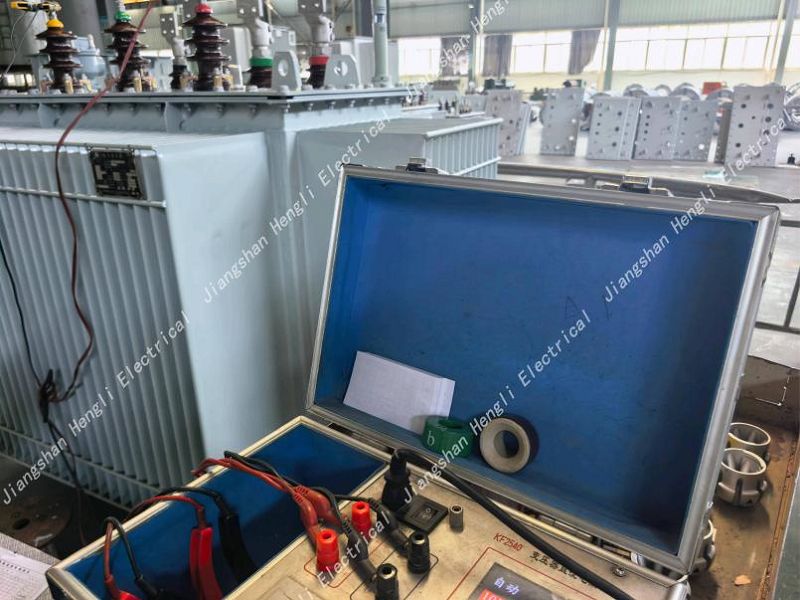
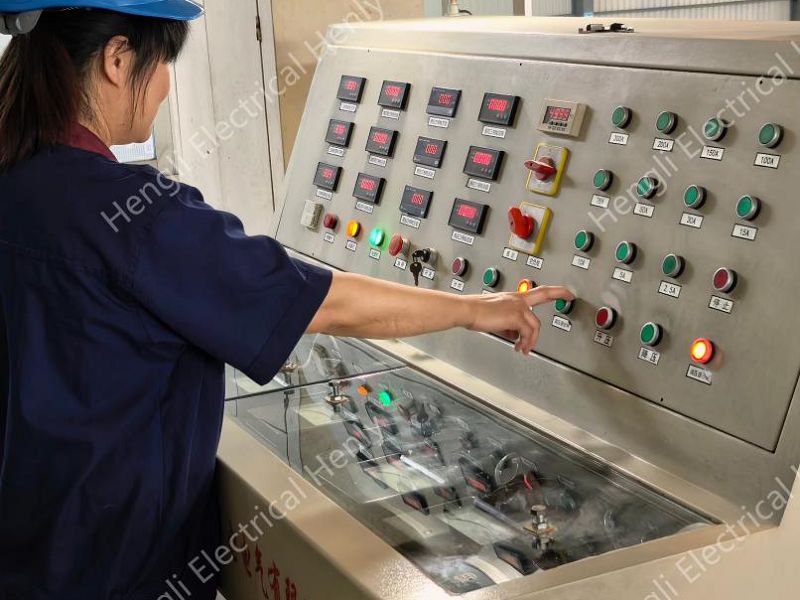
Transformer Electrical Testing
Electrical testing verifies whether the completed transformer meets its specified electrical characteristics and insulation requirements.
The applicable tests depend on transformer type, voltage level, rated capacity, product standard and purchase agreement.
Typical transformer tests include:
Winding Resistance Test
This test measures the resistance of transformer windings at specified test conditions.
It helps identify possible connection problems, winding inconsistencies and differences between phases.
Voltage Ratio and Vector Group Test
The voltage ratio is measured to verify that the primary-to-secondary voltage relationship meets the design requirements.
The vector group is also checked to confirm the phase relationship and winding connection configuration.
This is particularly important for transformers that must operate in parallel with other units.
No-Load Loss and No-Load Current Test
This test measures the transformer's no-load current and losses under specified voltage and frequency conditions.
The results help verify the magnetic performance of the core and whether the measured values meet the specified requirements.
Impedance Voltage and Load Loss Test
This test evaluates the transformer's impedance voltage and load losses under specified conditions.
The results are used to verify electrical performance and help assess losses during normal operation.
Applied Voltage Withstand Test
The applied voltage test evaluates the insulation strength between specified winding circuits and earth or other designated circuits.
It helps verify whether the main insulation can withstand the required power-frequency test voltage.
Induced Voltage Withstand Test
The induced voltage test applies an increased voltage to the transformer winding to evaluate the insulation between turns, layers and other specified insulation sections.
It is an important test for verifying winding insulation performance.
Insulation Resistance Test
Insulation resistance is measured between specified windings and between windings and earth.
The results provide information about the condition of the insulation system and can help identify moisture or insulation-related concerns. Test conditions and interpretation should follow the applicable procedures.
Additional Tests for Different Transformer Types
In addition to common electrical tests, certain transformers require further inspections or tests according to their design and application.
Oil-Immersed Transformers
Additional checks may include:
- Transformer oil quality tests
- Oil leakage and sealing inspection
- Tank pressure or leak testing according to design
- Oil level and accessory inspection
- Temperature-rise testing when specified
Dry-Type Transformers
Additional checks may include:
- Winding insulation and surface inspection
- Resin casting or VPI process inspection
- Temperature monitoring device inspection
- Cooling fan operation checks, where applicable
Partial discharge measurement when required by the applicable standard or purchase specification
Power Transformers
Depending on voltage level and project requirements, additional tests may include:
- Lightning impulse withstand test
- Temperature-rise test
- Dielectric tests for special insulation requirements
- Tap changer operation and functional checks
- Other type or special tests specified by the project
Not every additional test is required for every transformer. The final test scope is determined by the applicable standard, product design and customer requirements.
Quality Standards and Inspection Documentation
Hengli's transformer manufacturing and inspection activities are supported by established quality management practices.
Our company has obtained ISO 9001, ISO 14001 and ISO 45001 management system certifications, together with CE-related product certification documentation.
Transformer products can be designed and manufactured according to applicable IEC, GB/T or other specified standards, subject to product type and project requirements.


From Quality Inspection to Safe Delivery
Quality control does not end when electrical testing is completed.
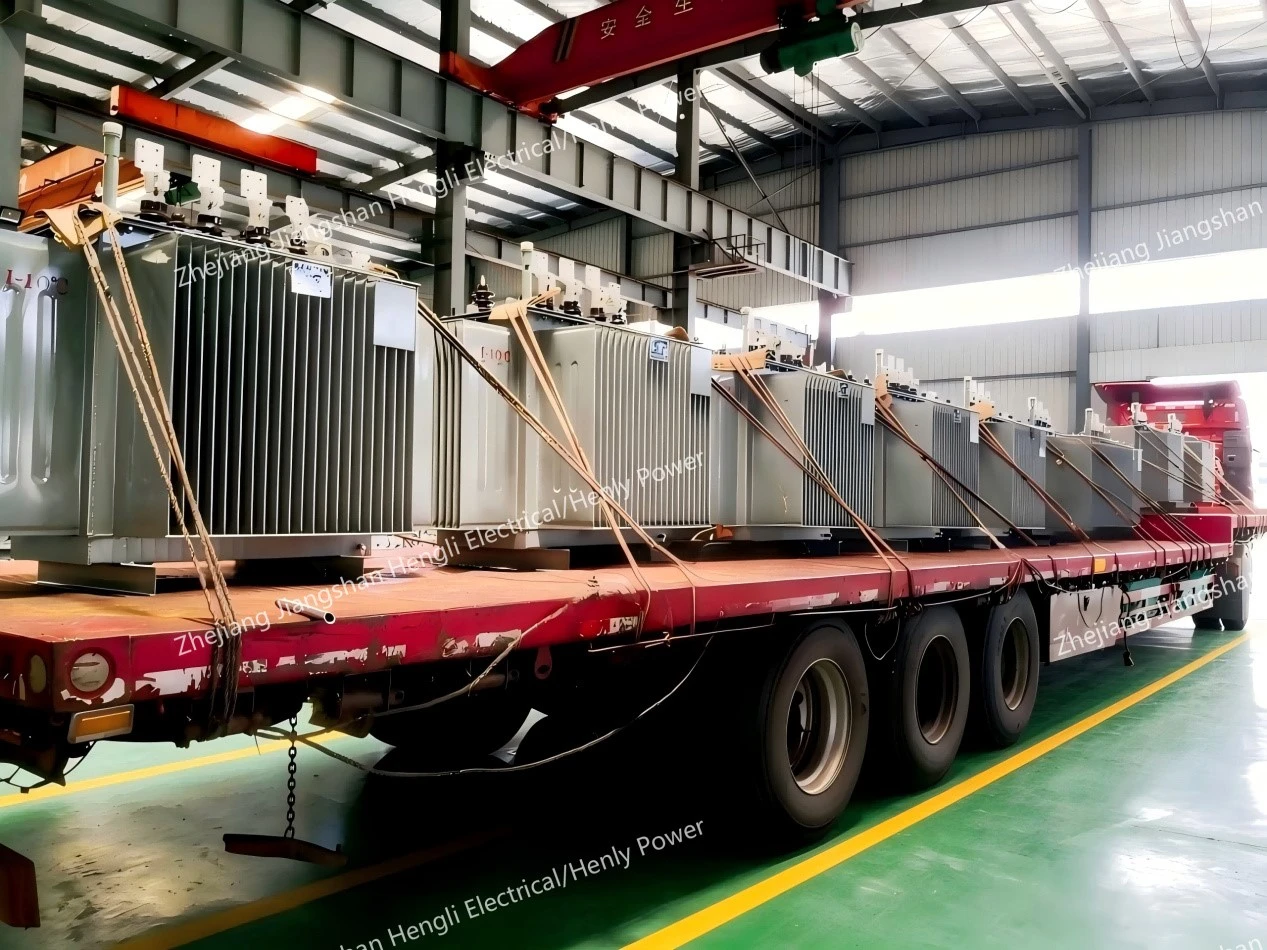
Before shipment, finished transformers are checked for appearance, accessories, identification, packaging and compliance with the confirmed order requirements.
Export packaging is selected according to transformer dimensions, weight, transportation method and destination. Appropriate protective measures are considered to reduce the risk of moisture, impact and handling damage during transportation.
Our aim is to deliver transformers that meet the agreed technical requirements and are ready for installation and commissioning under their intended operating conditions.
Frequently Asked Questions
Q: 1. What Tests Are Performed On A Power Transformer Before Delivery?
A: Typical tests include winding resistance, voltage ratio, vector group, no-load loss, load loss, impedance voltage and dielectric withstand tests. The actual test scope depends on the applicable standard and purchase agreement.
Q: 2. What Is The Difference Between Routine Tests, Type Tests And Special Tests?
A: Routine tests are performed on individual transformers to verify their basic electrical and insulation characteristics. Type tests demonstrate that a representative transformer design meets specified performance requirements. Special tests are conducted when required by the customer or applicable specifications.
Q: 3. Are Oil-Immersed Transformers Tested For Oil Leakage?
A: Oil-immersed transformer tanks and relevant sealed components undergo leakage inspections according to the specified manufacturing and testing procedures. Additional oil tests may be required depending on the product and order.
Q: 4. What Quality Inspections Are Important For Dry-Type Transformers?
A: Important inspections include winding dimensions, insulation condition, resin casting quality for cast resin designs, VPI treatment quality for VPI designs, electrical connections and final dielectric tests.
Q: 5. Why Is The Transformer Voltage Ratio Test Important?
A: The ratio test verifies whether the relationship between primary and secondary voltages matches the design requirements. It also helps identify incorrect winding connections or turn-related problems.
Q: 6. Can Customers Request Additional Transformer Tests?
A: Yes. Additional tests can be discussed according to project specifications, applicable standards and technical requirements. The test scope should be confirmed before production.
Q: 7. Can Hengli Provide Transformer Test Reports?
A: Relevant routine test reports and other agreed inspection documents can be provided according to the product and order requirements.