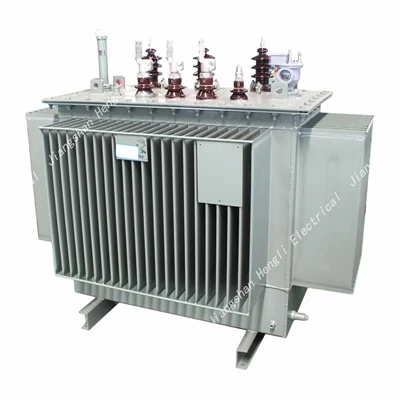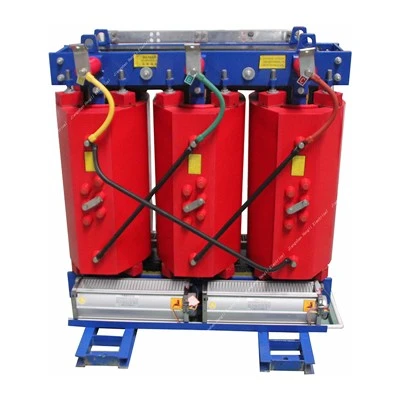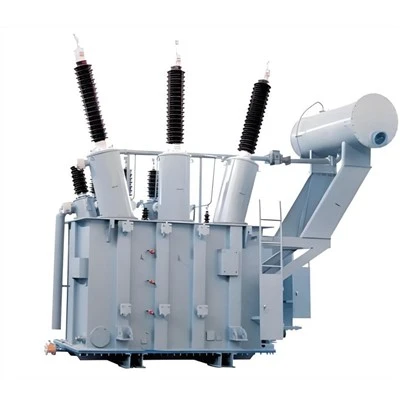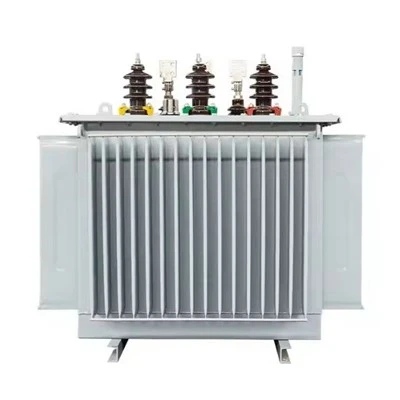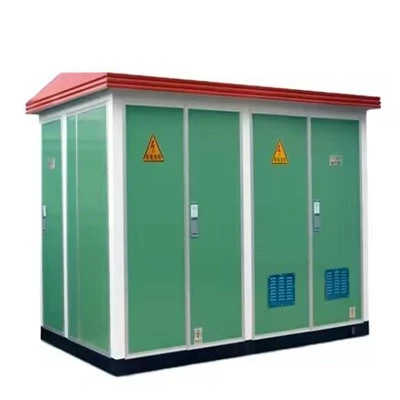

The core structure of a power transformer mainly consists of three parts: the core, windings, and insulation system. These three components collectively determine the transformer's performance and reliability.
The core is the magnetic circuit carrier of the transformer and is generally made of laminated high-silicon steel sheets to reduce eddy current and hysteresis losses. The shape and lamination method of the core directly affect the magnetic flux distribution and transformer efficiency; a cylindrical or toroidal structure is typically used. The core requires rigorous processing and insulation treatment to ensure that it will not fail due to localized overheating during long-term operation.
The windings are the key part of power conversion and are divided into high-voltage and low-voltage windings. The windings consist of conductor coils that achieve voltage increases and decreases through electromagnetic induction. To ensure insulation and heat dissipation, the windings typically use enameled wire or copper busbars, combined with oil or dry-type insulation materials. Insulation between windings and between windings and the core is an important guarantee for the safe operation of the main transformer. Short-circuit withstand capability and thermal expansion issues are also considered in the design.
The insulation system runs through the core and windings, including inter-winding insulation, winding-to-core insulation, and oil or gas insulation. It not only ensures electrical safety but also helps with heat dissipation and extends equipment life. For large main transformers, the insulation system works in conjunction with an oil circulation cooling system to enable the transformer to operate stably under high loads.