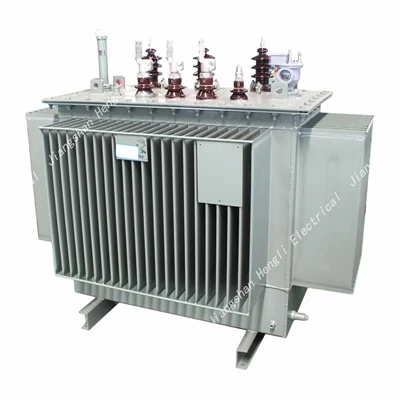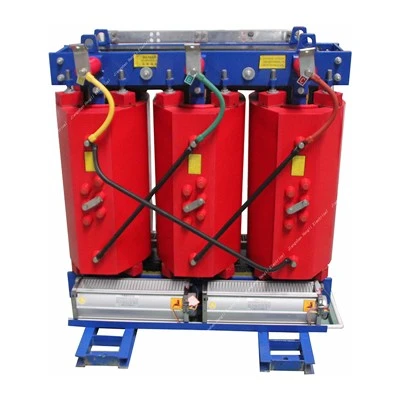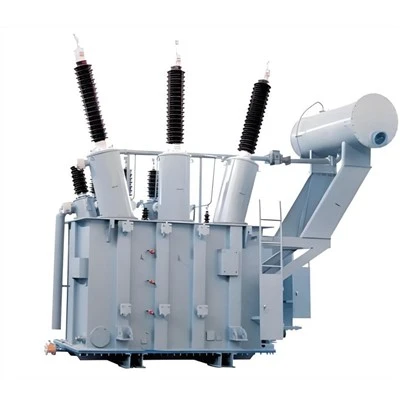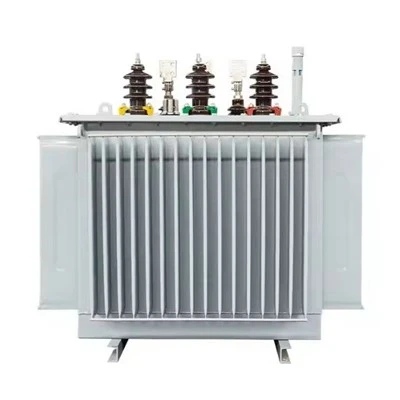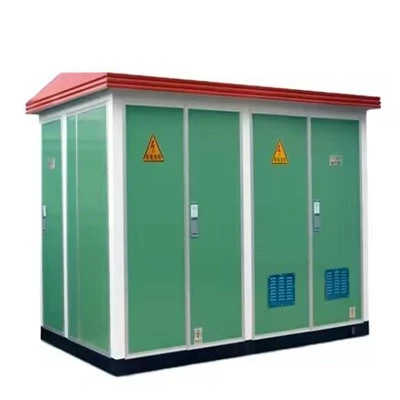

The maintenance cycle for distribution transformers is generally determined based on the operating environment, load conditions, and equipment type (oil-immersed or dry-type), and is typically divided into three levels: daily inspection, periodic maintenance, and special overhaul.
Daily inspections are generally conducted weekly or monthly, primarily through site visits. This includes checking for normal operating sounds, abnormal vibrations or odors, cleanliness of the casing, overheating of terminals, and whether temperature and load are within normal ranges. This stage focuses on detecting early abnormalities and preventing minor problems from escalating.
Periodic maintenance is usually performed every 6 months to 1 year. For oil-immersed transformers, this involves checking the oil level, oil color, and the condition of the breather silica gel, and performing necessary oil sample tests (such as dielectric loss, breakdown voltage, and gas analysis). For dry-type transformers, the focus is on cleaning dust, checking the insulation surface for discharge marks, and tightening electrical connections. The reliability of protection devices and temperature control systems is also tested.
Special overhauls are generally performed every 3 to 5 years, depending on the operating conditions, and include core inspection, winding insulation testing, partial discharge detection, and in-depth maintenance of switches and bushings. This stage represents a higher level of maintenance, typically carried out under power outage conditions, to ensure long-term safe operation and extend service life.