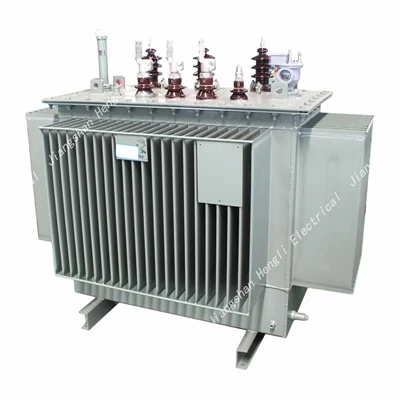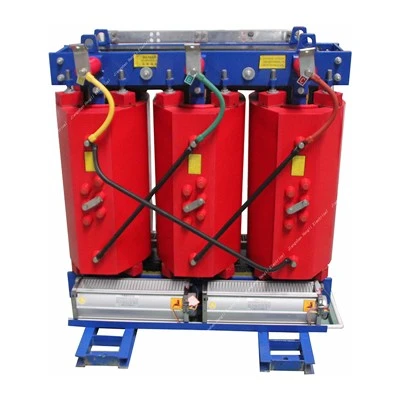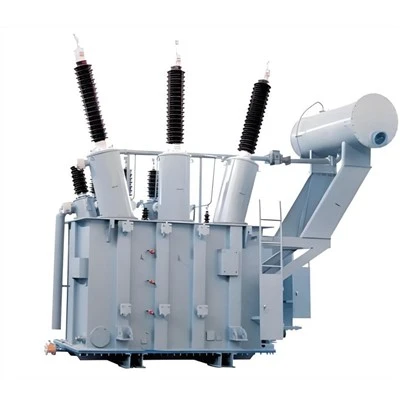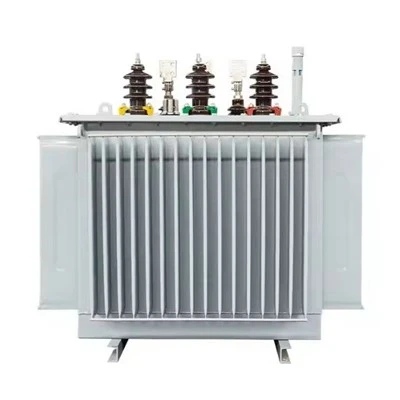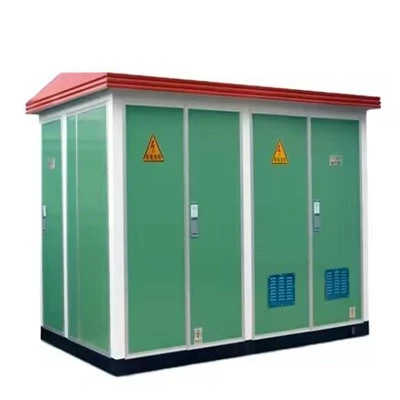

The installation of distribution transformers must be strictly carried out in accordance with electrical construction specifications. The core principles are safety, standardization, and reliable grounding to ensure stable operation in the future.
Before installation, a suitable installation location must be selected. Generally, a high-lying area with good drainage and ventilation is required, and it should be far away from flammable and explosive locations. The foundation typically uses a concrete platform or channel steel support, which must be level, firm, and able to withstand the weight and vibration of the transformer during operation, while providing sufficient space for operation and maintenance.
After the transformer is hoisted into place, its appearance should be checked for integrity, and the nameplate parameters should be confirmed to be consistent with the design. Then, the high-voltage and low-voltage sides should be wired sequentially. The high-voltage side is connected to the power grid input, and the low-voltage side is connected to the distribution cabinet or load circuit. All wiring must be secure and reliable to avoid poor contact that could cause overheating or arcing. During installation, special attention should be paid to correct phase sequence and compliance with insulation distance requirements.
The transformer casing must be reliably grounded, and the grounding resistance should meet the specifications to ensure personal safety. After installation, insulation resistance testing, no-load trial operation, and load testing must be performed to check whether temperature rise, noise, and voltage output are normal. Only after confirming that there are no abnormalities can the transformer be put into operation.