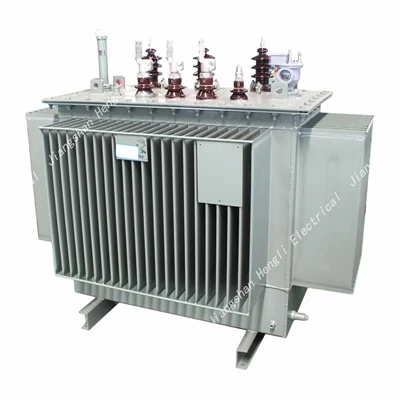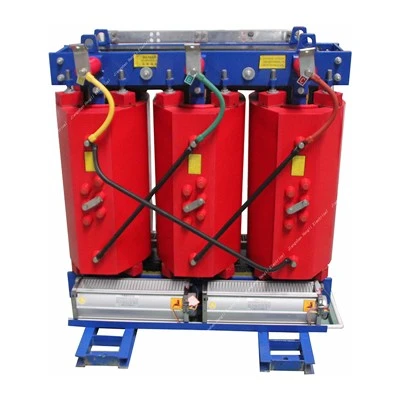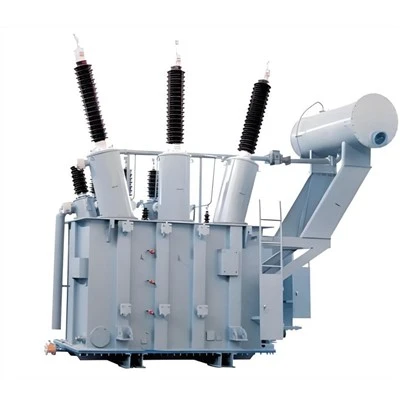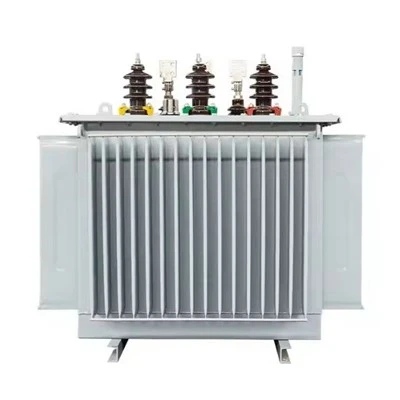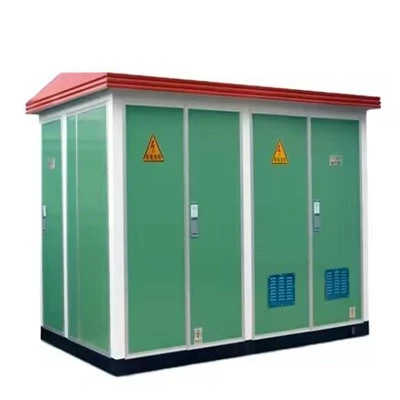

The power supply method of a distribution transformer refers to the way the transformer is connected to the power source and load in a power system. It directly affects the reliability, flexibility, and ease of maintenance of the power supply. Common power supply methods include the following:
Single Power Supply: This is the simplest power supply method. The high-voltage side is directly connected to a power line, and the low-voltage side supplies power to users. This method has a simple structure and low cost, and is suitable for areas with small loads and low requirements for power supply reliability. However, if the power line fails, the entire power supply area will experience a power outage, resulting in low reliability.
Dual Power Supply or Ring Network: The transformer is connected to two power sources, supplying power through a ring network or doubly fed lines. This way, even if one power source fails, the other line can continue to supply power, improving power supply reliability. This method is suitable for urban residential areas, industrial parks, or important users, and locations with high requirements for power supply continuity.
Terminal Circuit and Branch Circuit Power Supply: On the low-voltage side, the transformer can supply power to different users through multiple branch circuits. Each circuit is independently controlled by a switch or protection device. This method facilitates load distribution, fault isolation, and maintenance management, while also helping to achieve three-phase load balance and reduce line losses. It is the most common power supply and distribution method in modern power distribution systems.