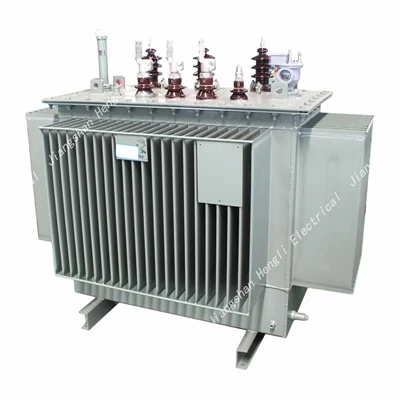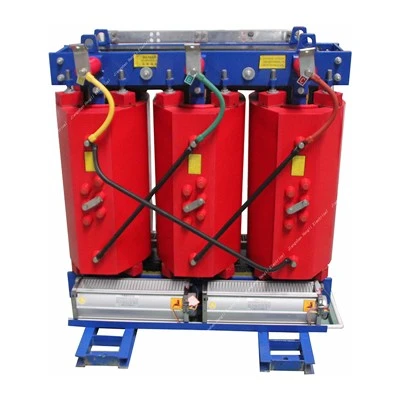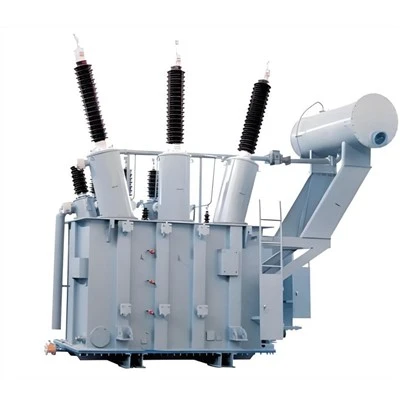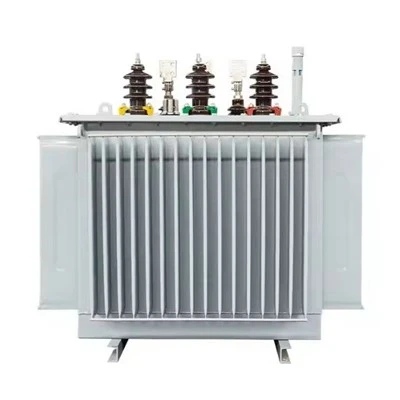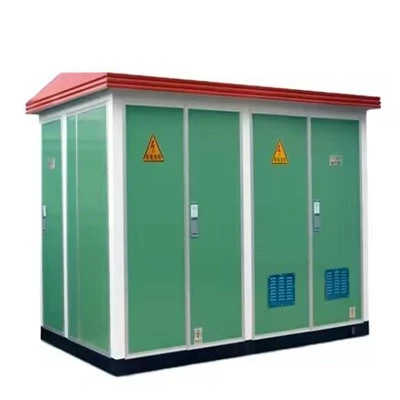

The selection of distribution transformer capacity is a crucial step in power distribution design, directly impacting power supply reliability, operational economy, and equipment lifespan. It generally requires a comprehensive consideration of actual load, future capacity allowance, and operating mode, rather than simply matching current power consumption.
The basic capacity should be determined based on the user's calculated load. Calculated load typically includes the power demands of lighting, power equipment, air conditioning, and motors, taking into account simultaneity factors and load rates. A common practice is to convert the actual maximum load into apparent power (kVA) and then use this as the basis for selecting the transformer capacity. For example, common specifications include 100kVA, 200kVA, 400kVA, 630kVA, and 1000kVA; the standard capacity closest to and slightly larger than the calculated value should be selected.
Consider future capacity allowance. Distribution transformers should generally not operate at full load for extended periods. It is usually recommended to reserve 10% to 30% expansion capacity to accommodate future power growth or new loads. This is especially important for residential communities, industrial parks, or commercial complexes; otherwise, overload or frequent capacity expansion issues may arise later.
Adjustments should be made based on the operating mode and environmental conditions. If two units are operating in parallel, the capacity can be appropriately shared; if the ambient temperature is high or the heat dissipation is poor, the capacity should be appropriately increased. The economic operating range of the transformer should also be considered; it is generally recommended to control the long-term load rate at 60%~80% to balance efficiency and lifespan.