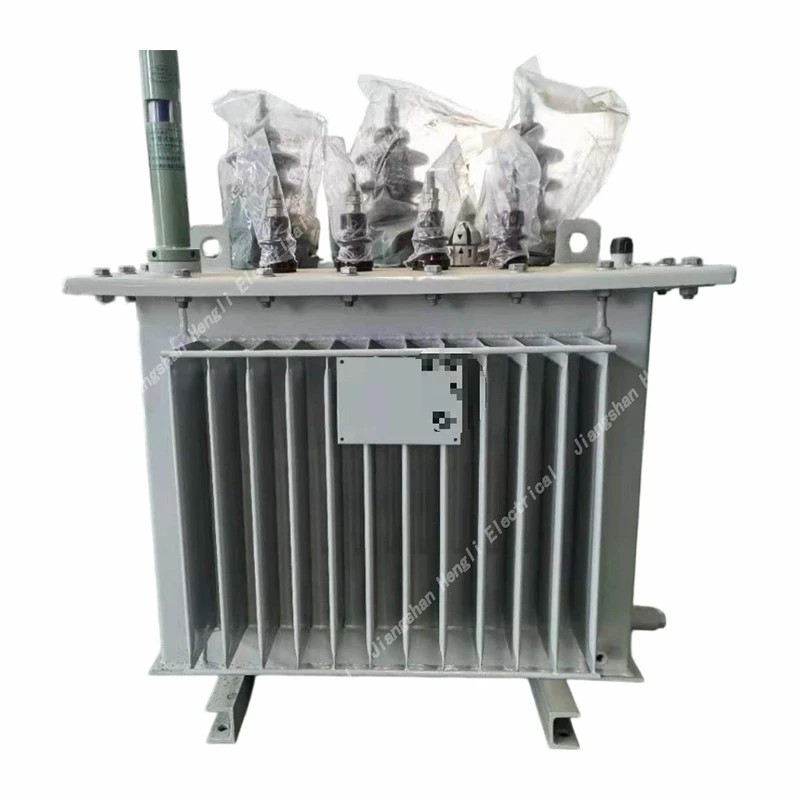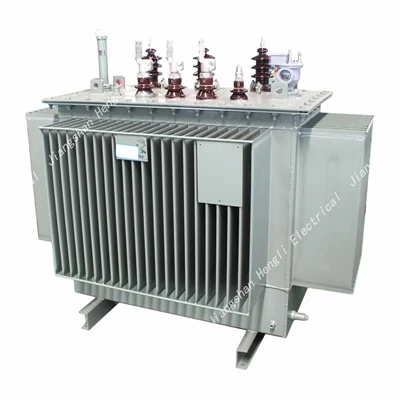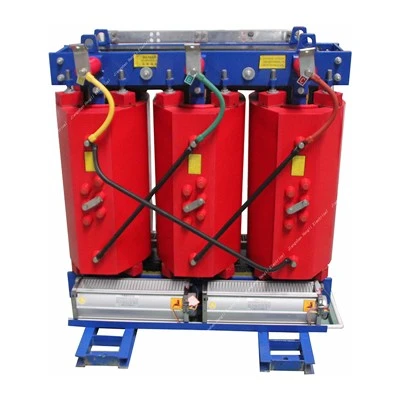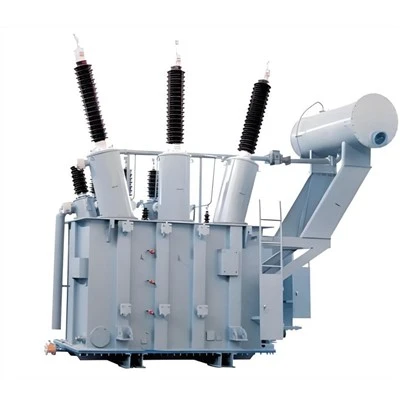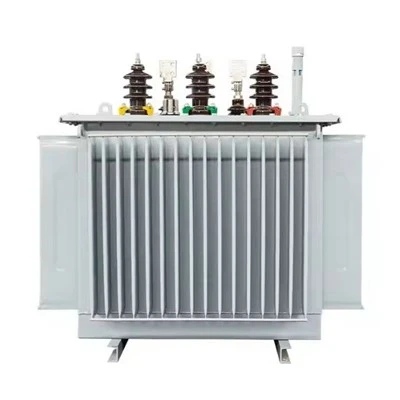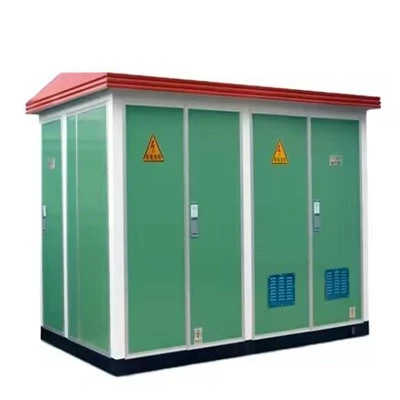

The technology of distribution transformers mainly encompasses electrical design, insulation and materials technology, cooling and heat dissipation technology, and protection and monitoring technology. These technologies directly affect the efficiency, reliability, and service life of the transformer.
Electrical Design: This includes core material selection, winding design, and wiring methods. Modern distribution transformers mostly use cold-rolled grain-oriented silicon steel sheets for the core to reduce no-load losses; the windings use copper or aluminum conductors, with strict inter-turn insulation treatment to ensure safe isolation between high and low voltage. The wiring method is selected according to the power supply system and load type, using star, delta, or combined connections to optimize three-phase balance and reduce harmonic effects.
Insulation and Materials: Oil-immersed transformers use high-quality mineral oil or environmentally friendly insulating oil, while dry-type transformers use epoxy resin casting or other solid insulating materials to ensure withstand voltage and fire resistance. Advances in insulation technology have improved the heat resistance and aging resistance of transformers, making them adaptable to a wider range of environmental conditions.
Cooling and Heat Dissipation Technology: Oil-immersed transformers typically use natural oil circulation or forced air cooling, while dry-type transformers mostly use natural air circulation or forced air cooling. Modern distribution transformers are also equipped with protection and monitoring devices such as temperature controllers, oil level gauges, and gas relays to achieve real-time monitoring of temperature, oil level, and internal faults, thereby improving operational safety and maintenance efficiency.