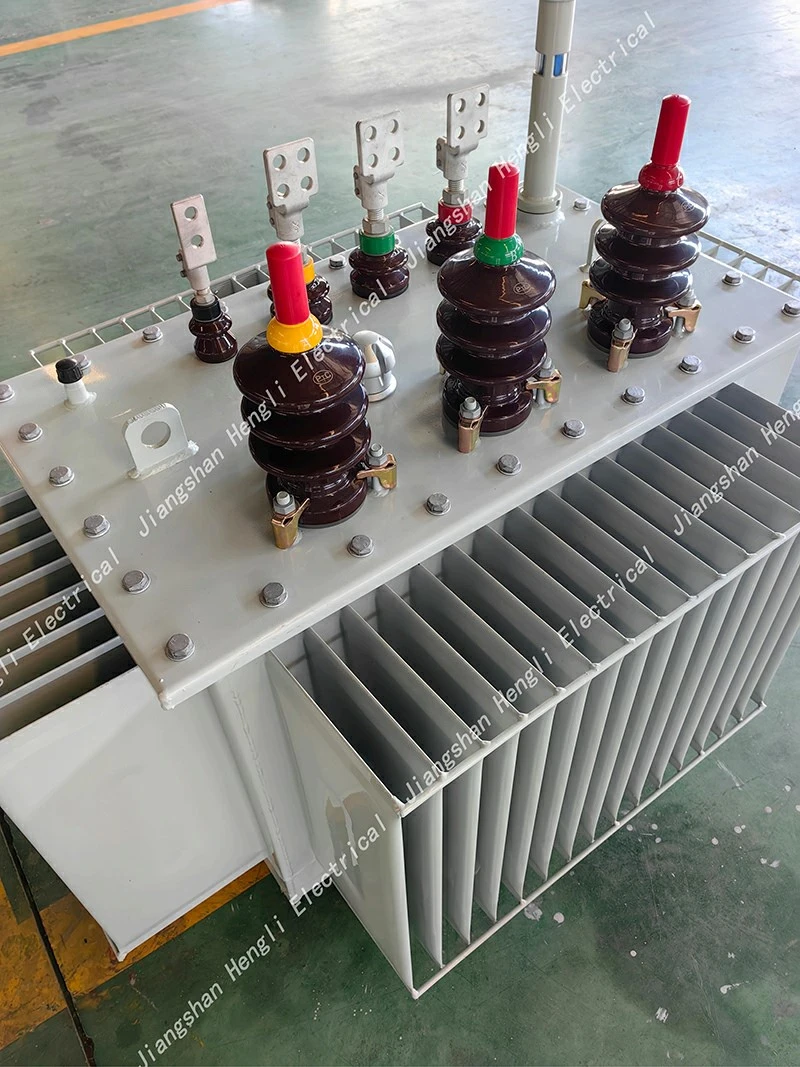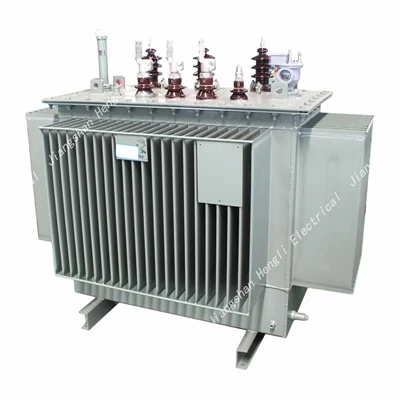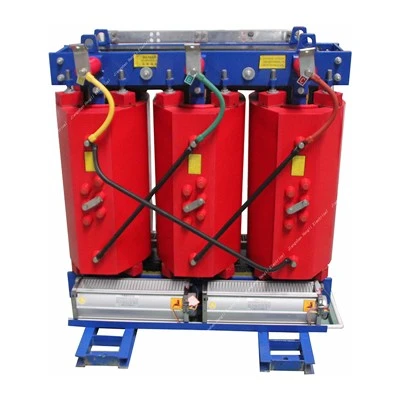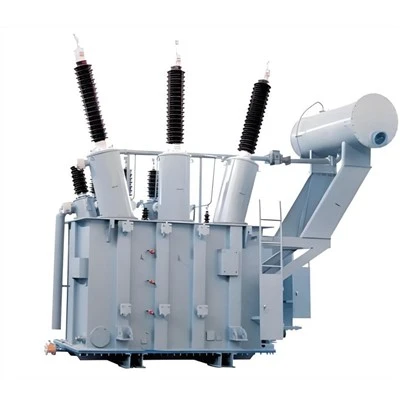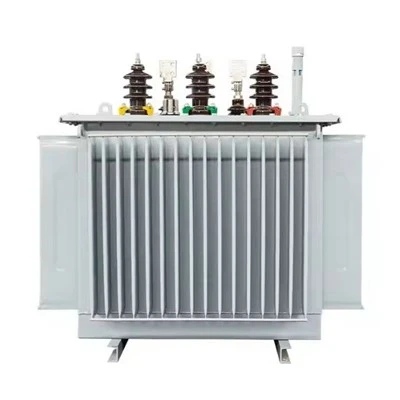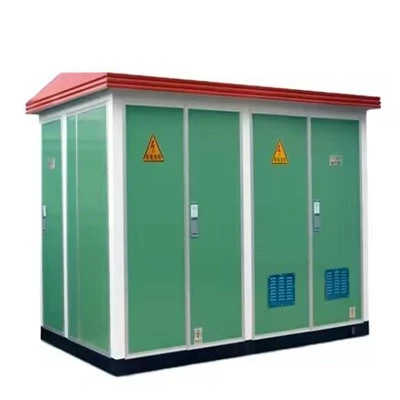

Visual Inspection: Inspect the transformer casing for deformation, rust, oil leaks, etc., ensuring the exterior is intact.
Insulation Resistance Test: Use a megohmmeter to measure the insulation resistance between the transformer windings and the casing. The insulation resistance value is typically required to be no less than 1000 megohms (specific standards should be referred to the transformer specifications).
Winding DC Resistance Test: Measure the DC resistance of the transformer windings using a DC resistance tester to determine if there are short circuits or open circuits.
Turning Ratio Test: Use a turning ratio tester to measure the transformer's turning ratio, ensuring it meets design requirements.
No-Load Loss and Short-Circuit Impedance Test:** Measure the transformer's no-load loss and short-circuit impedance through no-load and short-circuit tests to evaluate its performance.
Oil Quality Testing: Sample and analyze the transformer oil, testing for moisture content, acid value, breakdown voltage, etc., to ensure the oil quality is up to standard.
Partial Discharge Test: Use a partial discharge detector to check for partial discharge phenomena inside the transformer, preventing potential faults.
Temperature Monitoring: Monitor the transformer's operating temperature using an infrared thermometer or built-in temperature sensor to prevent overheating.
Sound Detection: Listen to the transformer's operating sounds; abnormal noises may indicate internal faults.
Protection Device Check: Ensure the transformer's protection devices (such as gas relays, pressure relief valves, etc.) are functioning properly.