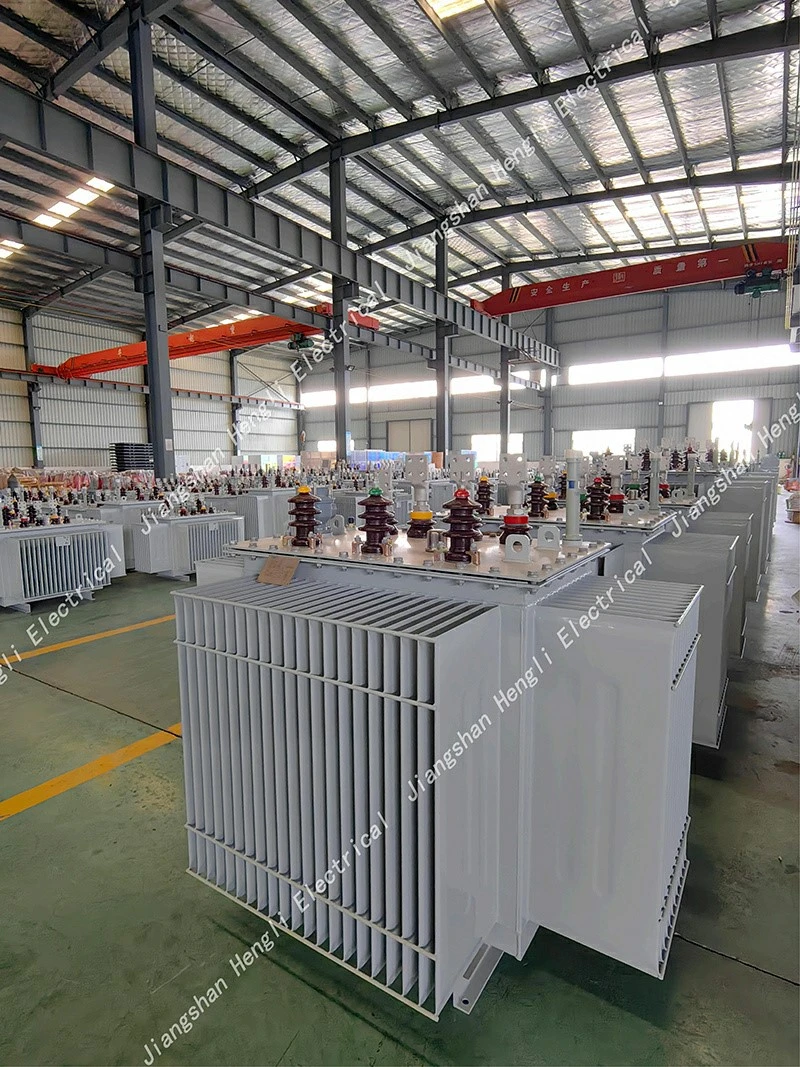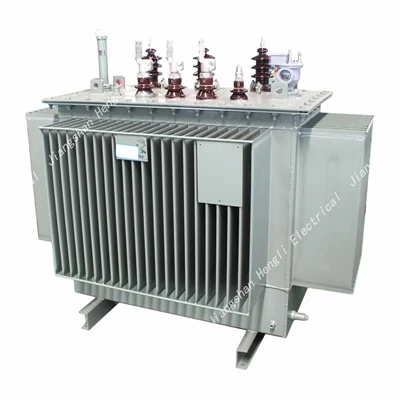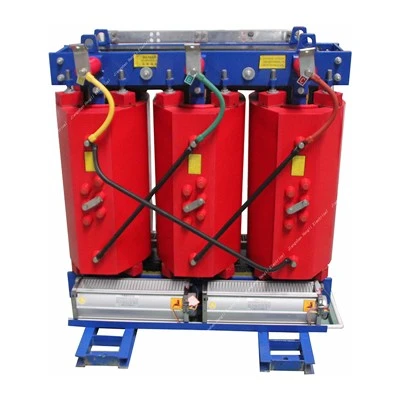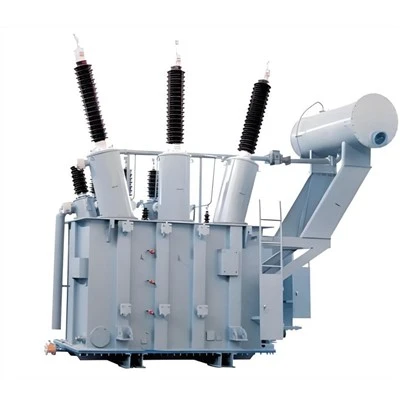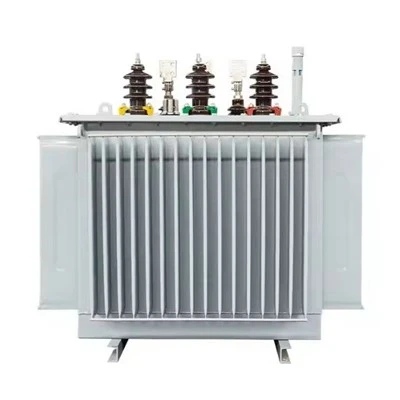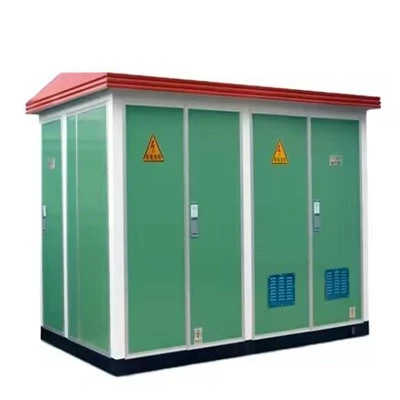

The materials used in the manufacture of distribution transformers mainly fall into four categories: conductive materials, magnetic materials, insulating materials, and structural materials. These together determine the transformer's performance and lifespan.
Conductive materials are primarily used in the windings, commonly high-purity electrolytic copper and aluminum. Copper conductors offer good conductivity and high mechanical strength, making them suitable for large-capacity and critical power supply applications. Aluminum conductors are less expensive and lighter, making them more suitable for small- to medium-capacity projects or cost-sensitive projects. The conductors are typically coated with insulating varnish or paper to prevent short circuits and partial discharges.
Magnetic materials are mainly used in the core. Modern distribution transformers widely use cold-rolled grain-oriented silicon steel sheets. This material has high permeability and low loss characteristics, effectively reducing iron losses and improving operating efficiency. The silicon steel sheets are separated by an insulating coating to reduce eddy current losses and heat generation.
Insulating materials are crucial for safe operation. Oil-immersed transformers use mineral insulating oil or environmentally friendly ester-based oil, combined with insulating paper and boards to form an oil-paper insulation system; dry-type transformers use epoxy resin casting or high-temperature resistant insulating materials such as Nomex, which have fire-resistant and moisture-proof properties.
Structural materials include steel plate enclosures, clamps, fasteners, and radiators. These materials support the overall structure and provide protection, and are generally treated with anti-corrosion measures or spray coatings to withstand long-term outdoor operating environments.