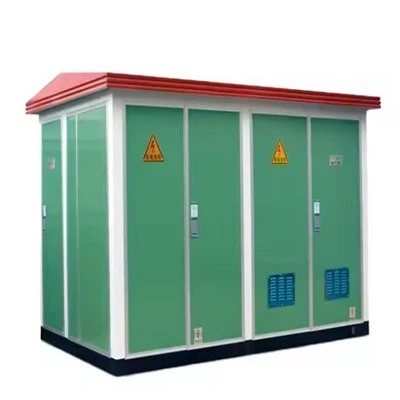


Are aluminum winding transformers reliable? Compare aluminum and copper transformers in conductivity, cost, performance, and applications to choose the right option for your project.
1. Can an Aluminum Winding Transformer Be Used?
Yes. An aluminum winding transformer can be a reliable and practical choice when it is properly designed, manufactured, and operated within its rated specifications.
There is a common misconception in the transformer market that aluminum windings are simply a lower-quality alternative to copper. However, winding material alone does not determine transformer quality.
Both copper and aluminum are widely used as winding conductors in power distribution transformers. The real difference lies in their electrical and mechanical properties, which affect transformer design, dimensions, performance, and overall cost.
For buyers evaluating transformer quotations, the important question is not simply whether aluminum is inferior to copper, but whether the selected transformer meets the electrical requirements and operating conditions of the project.
2. Aluminum vs. Copper Transformer: Key Differences
Copper and aluminum have different physical properties. These differences influence how a transformer is designed and how it performs under operating conditions.
|
Comparison |
Copper Winding |
Aluminum Winding |
|
Electrical Conductivity |
Higher |
Lower |
|
Winding Size |
More compact |
Generally larger |
|
Weight |
Heavier |
Lighter |
|
Thermal Conductivity |
Higher |
Lower |
|
Mechanical Strength |
Higher |
Lower |
|
Material Cost |
Higher |
Lower |
|
Scrap Value |
Generally higher |
Generally lower |

Electrical Conductivity
Copper has approximately 58 MS/m electrical conductivity, while aluminum has approximately 35 MS/m. This means copper conducts electricity more efficiently at the same cross-sectional area.
To achieve comparable electrical performance, aluminum conductors generally require a larger cross-sectional area than copper conductors.
As a result, aluminum winding transformers may have larger winding dimensions, while copper winding designs can be more compact.
Heat Dissipation and Temperature Rise
Copper has higher thermal conductivity than aluminum, which helps transfer heat away from the winding conductors.
However, transformer temperature rise is not determined by conductor material alone. It also depends on winding design, cooling arrangements, insulation systems, losses, and ambient operating conditions.
A properly designed aluminum winding transformer can still meet the required temperature-rise limits and operate reliably throughout its intended service life.
Mechanical Strength
Copper generally has higher tensile strength and hardness than aluminum.
Under electromagnetic forces caused by short-circuit currents, winding conductors and their supporting structures must withstand considerable mechanical stress.
Aluminum windings require appropriate conductor dimensions, mechanical support, insulation, and winding arrangements to withstand these forces.
This is particularly important for transformers used in industrial facilities and applications with demanding electrical conditions.
3. Advantages of Aluminum Winding Transformers
Although copper has advantages in conductivity and mechanical strength, aluminum winding transformers offer several practical benefits.
1. Lower Initial Purchase Cost
Aluminum is generally less expensive than copper as a raw material. This can reduce the initial transformer purchase cost, making it attractive for projects with strict equipment budgets.
2. Lower Transformer Weight
Aluminum has a much lower density than copper. This can reduce conductor weight and may be beneficial for transportation, handling, and installation.
3. Suitable for Standard Distribution Applications
When properly engineered, aluminum winding transformers can serve many conventional distribution applications, including commercial buildings, general industrial facilities, and infrastructure projects.
4. Flexible Budget Allocation
For projects where the electrical load is relatively stable and the transformer operates within its rated capacity, aluminum windings can provide a cost-effective solution without compromising required operating performance.
4. Limitations of Aluminum Winding Transformers
Choosing aluminum windings also involves certain trade-offs that buyers should understand.
Larger conductor dimensions: Aluminum requires a larger cross-sectional area to achieve comparable conductivity, which can affect winding dimensions.
Higher resistance at the same conductor size: If conductor dimensions are not properly selected, resistance and load losses may increase.
Mechanical considerations: Aluminum is softer than copper and requires careful winding design and mechanical reinforcement.
Connection requirements: Aluminum connections require suitable terminals, contact surfaces, and installation procedures to reduce the risk of oxidation-related contact resistance.
Lower scrap value: Aluminum generally has a lower recycling value than copper.
These limitations do not make aluminum transformers unsuitable. They simply mean that conductor selection and manufacturing quality are especially important.
5. Which Applications Are Suitable for Aluminum and Copper Transformers?
The right winding material depends on the project's load profile, operating environment, budget, and performance requirements.
When to Choose an Aluminum Winding Transformer
Aluminum winding transformers are worth considering for:
Commercial buildings with relatively stable electrical loads.
General industrial facilities with predictable power consumption.
Rural electrification and conventional distribution networks.
Temporary power supply projects.
Projects where initial equipment cost is a major consideration.
For these applications, an aluminum winding transformer can be an economical option when the rated capacity, temperature rise, impedance, and efficiency requirements are properly specified.
When to Consider a Copper Winding Transformer
Copper winding transformers are often preferred for applications requiring compact designs, higher mechanical strength, or demanding operating conditions.
Examples include:
EV charging stations with high and fluctuating charging demand.
Heavy-duty truck charging facilities.
Industrial plants with frequent load variations.
Applications involving high starting currents or significant cyclic loading.
Installations where space is limited.
For EV charging and heavy-duty charging projects, transformer selection should be based on the simultaneous charging demand, load diversity, harmonic content, and expected load variations.
Copper windings may offer design advantages in these situations, but they do not automatically guarantee better performance. The complete transformer design must be evaluated.
6. How to Choose Between Aluminum and Copper Windings
Before placing an order, B2B buyers should evaluate more than the conductor material.
Here are five important factors to consider:
1. Rated Capacity
Confirm the required transformer capacity in kVA based on the calculated maximum demand and expected future load growth.
2. Load Characteristics
Determine whether the load is continuous, intermittent, fluctuating, or involves frequent motor starting and other high-current events.
3. Energy Efficiency
Compare guaranteed no-load losses and load losses rather than judging efficiency based on winding material alone.
4. Operating Environment
Consider ambient temperature, installation altitude, ventilation, cooling conditions, and indoor or outdoor installation requirements.
5. Manufacturing Quality and Testing
Check the manufacturer's design capability, insulation system, winding process, quality control procedures, and routine test reports.
A well-designed aluminum transformer can be a better investment than a poorly manufactured copper transformer. The complete product specification and verified test results matter more than the conductor material alone.
7. Aluminum and Copper Winding Transformers from Zhejiang Hengli Electrical
At Zhejiang Hengli Electrical, we manufacture power distribution transformers with both aluminum and copper winding options to meet different project requirements.
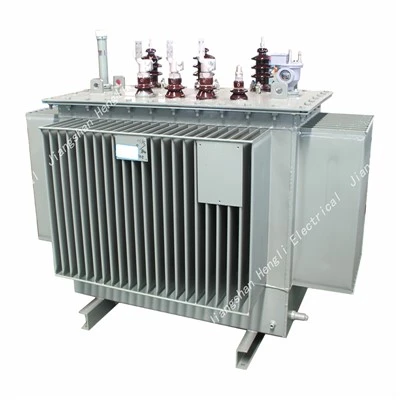
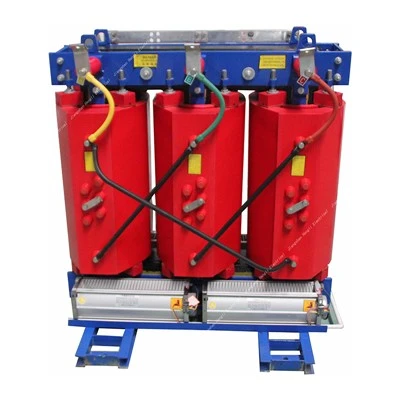
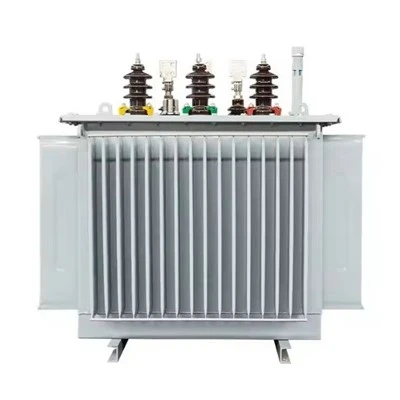
Our product range includes oil-immersed distribution transformers and dry-type distribution transformers for industrial, commercial, infrastructure, and utility applications.
Depending on the project requirements, buyers can specify:
Copper or aluminum windings.
Customized rated capacity and voltage.
50Hz or 60Hz frequency.
Dyn11, Yyn0, or other required vector groups.
Different cooling methods and enclosure configurations.
Applicable IEC, GB/T, or other project standards.
We focus on matching transformer design and manufacturing specifications to actual operating conditions, rather than recommending a winding material based on price alone.
Looking for a suitable transformer for your project?
Contact Zhejiang Hengli Electrical with your required capacity, voltage levels, application, and operating conditions. Our team can help evaluate whether an aluminum or copper winding transformer is the more appropriate choice.
8. Frequently Asked Questions
Q1: Is an aluminum winding transformer as good as a copper winding transformer?
Both can provide reliable service when properly designed and manufactured. Copper offers higher conductivity and mechanical strength, while aluminum offers lower material cost and lighter weight. The better choice depends on project requirements.
Q2: Do aluminum transformers have higher losses?
Not necessarily. Aluminum has higher electrical resistivity than copper at the same cross-sectional area. However, manufacturers can increase the conductor size and optimize the winding design to meet specified load-loss requirements. Always compare guaranteed test values.
Q3: Do aluminum winding transformers have a shorter service life?
Not automatically. Transformer service life depends on insulation aging, operating temperature, loading conditions, moisture control, manufacturing quality, and maintenance. A properly designed aluminum winding transformer can provide reliable long-term operation.
Q4: Are aluminum transformers suitable for industrial applications?
Yes. They are widely used in industrial distribution systems, provided that the transformer is correctly selected for the load profile, starting currents, operating environment, and required performance.
Q5: Should I choose copper or aluminum for an EV charging station transformer?
Copper windings are often worth considering for high-demand charging facilities because of their conductivity and mechanical properties. However, the final selection should be based on simultaneous charging demand, load fluctuations, harmonics, temperature rise, and the transformer's short-circuit withstand capability.