
When purchasing a power transformer, many buyers focus first on the purchase price, rated capacity and delivery time. But for equipment expected to operate continuously for 10, 20 or even more years, another cost deserves equal attention: transformer losses.
A power transformer has two basic types of losses. No-load loss occurs whenever the transformer is energized, even when the load is very low. Load loss changes with the actual current and becomes more significant as the transformer load increases.
This is why energy efficiency should be considered as part of the total cost of ownership rather than treated as a technical detail.
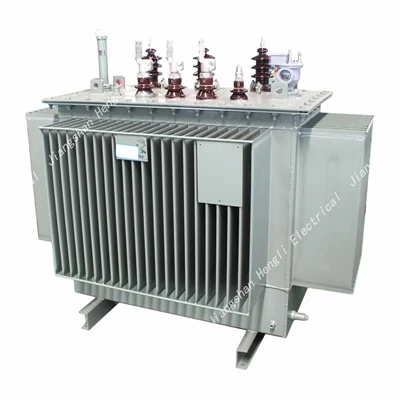
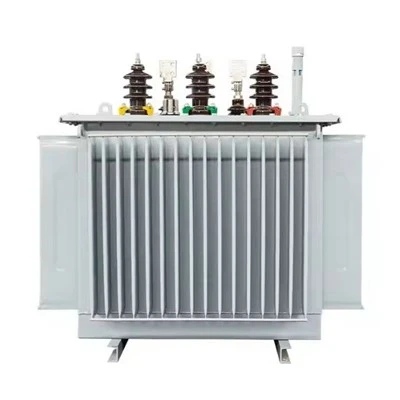
Take an 800kVA oil immersed distribution transformer as an example. If the no-load loss is around 6 kW, keeping the transformer energized for a full year would result in approximately 52,500 kWh of no-load energy consumption alone. A transformer with lower no-load loss can therefore save thousands of kilowatt-hours annually. Over 10 or 20 years, the accumulated difference can become a substantial operating expense.
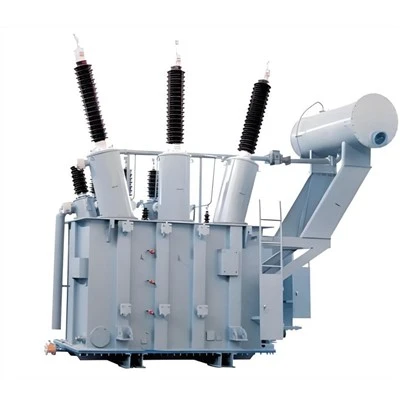
The same principle applies to larger transformers. As capacity increases, even a small difference in losses can translate into considerable long-term energy costs, particularly in factories, commercial buildings, data centers and other facilities where transformers operate continuously.
For buyers, the right question is therefore not simply "How much does the transformer cost?" but "How much will this transformer cost to own and operate?"
When comparing quotations, check the no-load loss, load loss, efficiency level, expected loading profile and annual operating hours. The lowest purchase price may not result in the lowest lifetime cost.
China's current mandatory standard, GB 20052-2024, specifies minimum energy efficiency requirements and energy efficiency grades for power transformers.
At Zhejiang Hengli Electrical, we recommend evaluating transformer procurement from both the initial investment and long-term operating perspectives. A higher-efficiency transformer may require a higher upfront investment, but its lower losses can help reduce electricity costs throughout its service life.