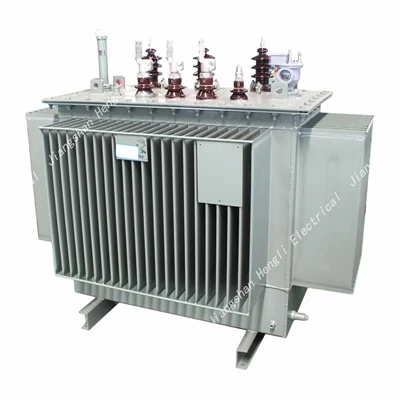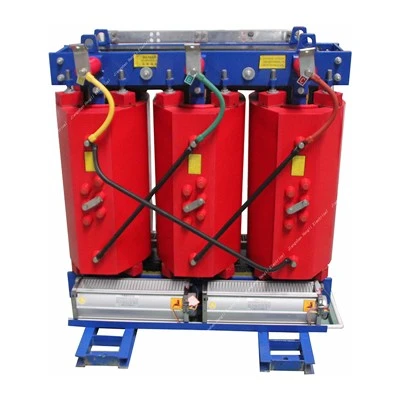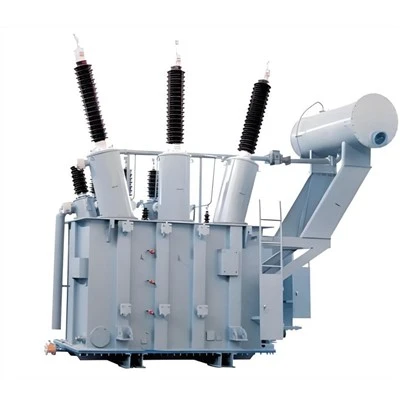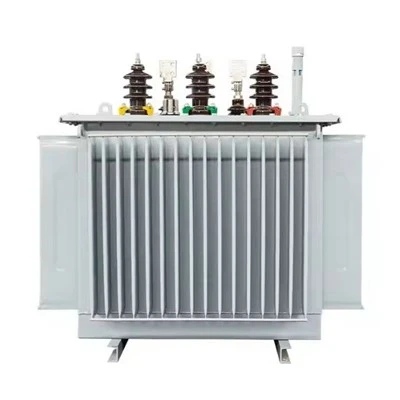

Field electricians and project operators frequently encounter technical questions regarding daily transformer operation, especially when maintaining power transformer and distribution transformer units in industrial and utility power systems. Many typical faults and operating phenomena are often misunderstood. To help users operate equipment more safely and extend service life, this article answers three of the most common and practical questions regarding three phase oil immersed transformer performance including short-circuit risks, temperature distribution, and overload tolerance.
The first frequently asked question concerns the hazards of sudden secondary-side short circuits. When a short circuit occurs on the secondary side of a three phase oil immersed transformer or any conventional distribution transformer, the instantaneous short-circuit current can surge to 20 to 30 times the rated operating current. Such extreme current generates enormous electromagnetic force inside the coil, sometimes nearly 1000 times stronger than normal operating stress. This violent force can deform winding structures, damage internal fixation, and even destroy the mechanical stability of the coil. Meanwhile, the extreme current produces instant high heat, which can burn winding insulation and cause permanent equipment failure. This is why every standard power transformer must be equipped with reliable short-circuit protection to cut off power instantly and avoid catastrophic damage.

The second question focuses on the hottest position inside a normally operating transformer. Many users assume the coil heats evenly, but actual operating tests prove otherwise. Heat generated by core loss and copper loss spreads upward inside the transformer tank. As heat accumulates gradually from bottom to top, the upper coil area always runs hotter than the lower section. Practical thermal testing on oil-immersed units shows that the highest temperature point appears at 75% of the coil's axial height and one-third of the radial width from the inner diameter. For this reason, professional manufacturers design axial oil passages and segmented winding structures at these key positions to optimize internal oil circulation and improve heat dissipation efficiency.

The third question is why transformers allow normal and emergency overload operation. Continuous overload raises operating temperature and accelerates insulation aging, which inevitably shortens equipment lifespan. However, transformers do not always run at full load. Actual operating conditions include load valleys, low-temperature winter environments, and intermittent low-load periods. These favorable working states compensate for occasional high-load operation. Therefore, minor short-term overload during peak power demand is permitted without reducing overall service life, defined as normal overload. In case one parallel transformer fails and shuts down, remaining units can undertake temporary heavy overload for a short period, which is classified as emergency overload, ensuring grid power continuity.
At Zhejiang Hengli Electrical, we design every three phase oil immersed transformer and distribution transformer with precise thermal margin and short-circuit resistance, ensuring stable and safe performance under real fluctuating operating conditions.