
Why Pebbles Are Installed Under Some Oil Immersed Power Transformer Facilities
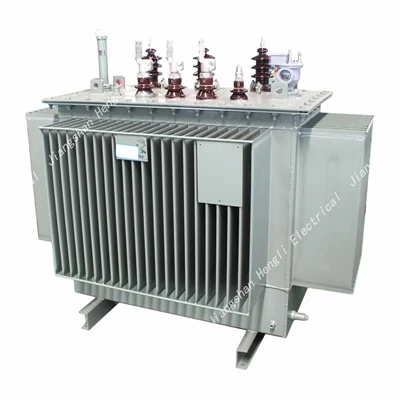
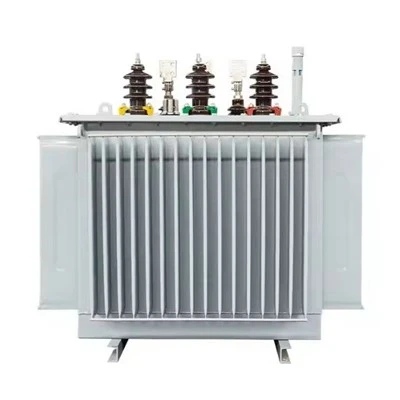
Anyone who has visited outdoor power substations and industrial power distribution sites must have noticed a common detail: the ground beneath every three phase oil immersed transformer is fully covered with dense pebbles. Many people assume this design is merely for landscape beautification. In fact, this standard construction practice is a critical safety measure for all power transformer installations, with practical functional value that guarantees long-term safe operation of oil-immersed transformer equipment.

To understand the purpose of pebble paving, we first need to know the working characteristics of a three phase oil immersed transformer. This type of power transformer relies entirely on internal insulating oil for core heat dissipation and insulation protection. During long-term high-load operation, the transformer's windings and iron core continuously generate heat. The circulating insulating oil absorbs excess heat and cools down through external radiators, maintaining stable operating temperatures under normal working conditions.
However, unexpected faults such as winding short circuits and core overheating can cause a sharp temperature spike inside the transformer in a short time. Once the temperature exceeds the ignition point of insulating oil, oil combustion, leakage, or even spray and explosion accidents may occur. This is where the pebbles under the transformer play their core protective role. When insulating oil leaks due to equipment failure, the uniform gaps between pebbles guide the oil smoothly into the underground oil collection pit. This prevents oil from spreading freely on the ground and greatly reduces the risk of fire spread. As non-combustible inorganic materials, pebbles also block flame transmission and isolate burning oil from ground debris to curb fire expansion.
Besides fire prevention and oil diversion, pebbles provide auxiliary heat dissipation. Compared with flat cement ground, pebble layers have a larger specific surface area and better air permeability. Leaked high-temperature oil flowing through pebble gaps dissipates heat faster, effectively lowering oil temperature and reducing the risk of secondary combustion.
Power industry specifications strictly prohibit replacing pebbles with sand or broken stones. Fine sand will mix with leaked oil to form paste, blocking the oil collection channel. Sharp broken stones produce debris during construction, which may damage the transformer's bottom insulation structure. Standard pebbles feature uniform particle size, smooth surfaces and stable mechanical strength.
Professional industry standards clearly stipulate construction requirements: pebble diameter ranges from 50mm to 80mm, with a paving thickness of no less than 250mm, covering the entire oil pit area. As a professional power transformer manufacturer, Zhejiang Hengli Electrical always adheres to industry safety standards. Standardized pebble laying matches the reliable performance of three phase oil immersed transformer products, building a solid safety barrier for power system operation.