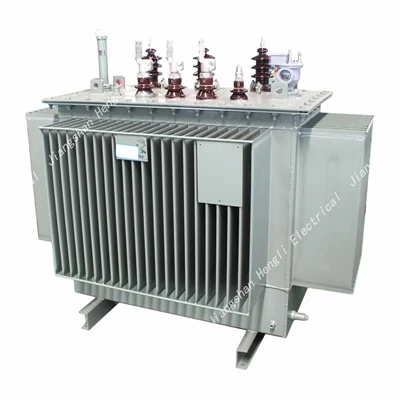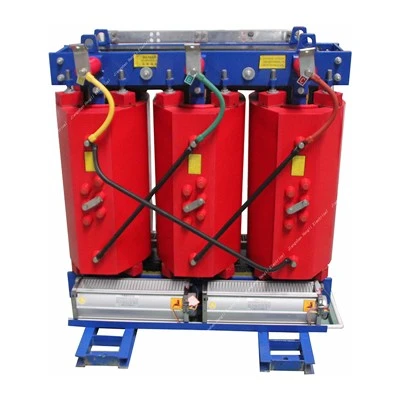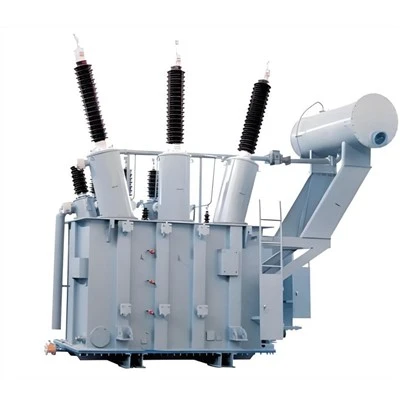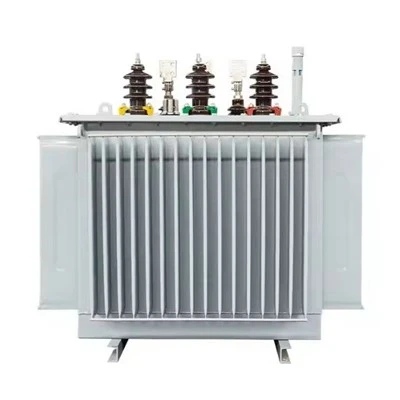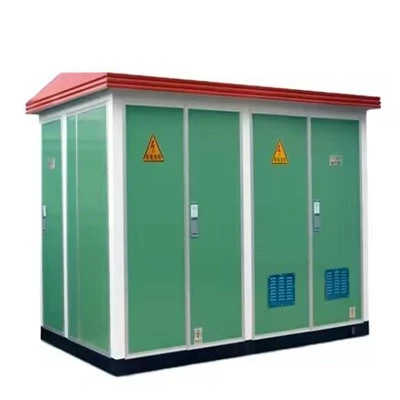

Power transformers are widely used in various key links of the power system, serving as the core equipment for the "voltage boosting-transmission-voltage step-down" process of electrical energy. The most typical application is in the voltage boosting stage of power plants. The voltage output from generators is usually low, and the main transformer typically raises it to 110kV, 220kV, or even higher levels before sending it into the transmission network, reducing losses during long-distance transmission.
In regional substations and hub substations, the main transformer plays a crucial role in voltage level conversion and power distribution. Power from high-voltage transmission lines is stepped down by the main transformer and distributed to medium-voltage distribution networks in different areas, further supplying industrial, commercial, and residential users. This stage determines the stability and capacity of a region's power supply; therefore, multiple main transformers are usually configured and operated in parallel to improve reliability.
Main transformers also play a vital role in large industrial users and special power consumption scenarios, such as steel mills, chemical plants, and data centers. These users have large power loads and high continuity requirements, often necessitating the construction of their own substations to step down the high-voltage electricity to a level suitable for their production equipment. Meanwhile, in the grid connection of new energy sources (such as wind power and photovoltaic power stations), the main transformer is also used to boost the voltage on the generation side and connect it to the grid to achieve stable transmission and grid connection control.