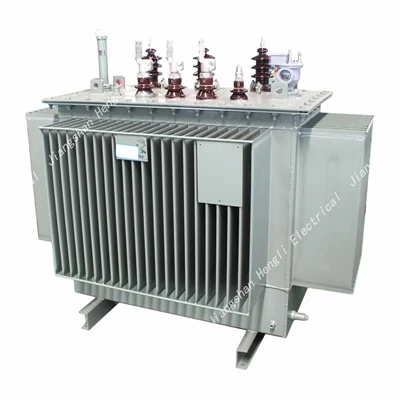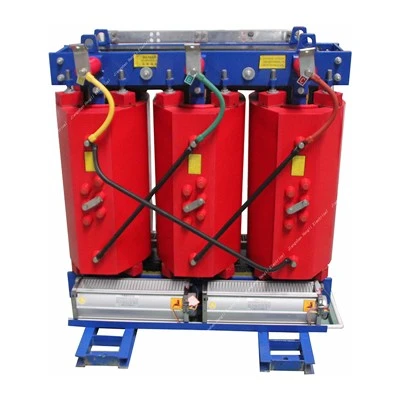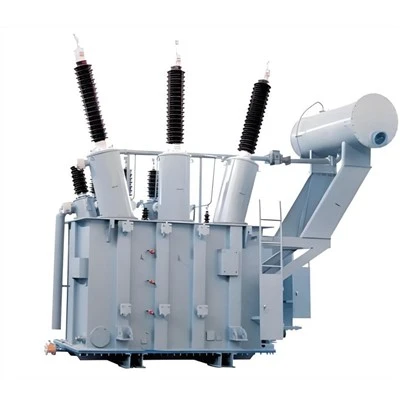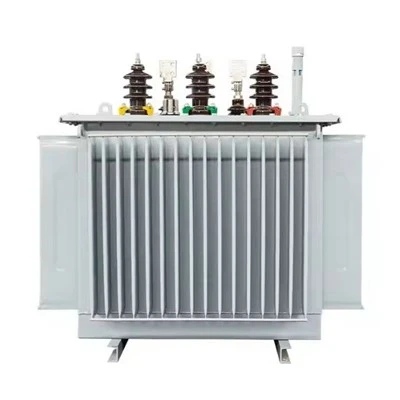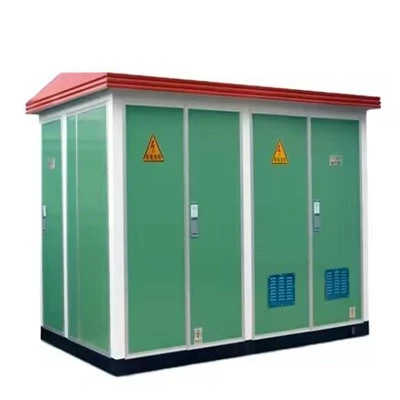

Special transformers share similar core components with ordinary power transformers, but their structure and materials are specifically designed to meet application requirements. Generally, they can be divided into four parts: the core, windings, insulation system, and cooling system.
The core is the core of the magnetic circuit, responsible for guiding magnetic flux. In special transformers, the core material and shape may be optimized for high-frequency, high-current, or high-impact loads. For example, furnace transformers typically use low-loss, thick silicon steel sheets to withstand high currents, while frequency transformers may use special magnetic materials to adapt to magnetic flux variations at different frequencies.
The windings are crucial for voltage transformation or power output. Special transformer windings may employ multi-layer structures, widened conductors, or copper busbars to meet the requirements of high currents or non-sinusoidal currents, while also incorporating special insulation materials and structural designs to enhance resistance to thermal shock and short-circuit conditions.
The insulation system is particularly important for special transformers because it needs to withstand special operating conditions such as high temperature, high humidity, frequent impacts, or chemical corrosion. Commonly used materials include high-temperature resistant insulating paper, epoxy resin, and special insulating oil, combined with vacuum drying or vacuum oil injection processes to ensure long-term safe operation.
Cooling devices are responsible for dissipating the heat generated during transformer operation. Depending on the application, natural oil cooling, forced oil circulation, air cooling, or water cooling may be used to ensure stable operation of the transformer under high loads or harsh environments.