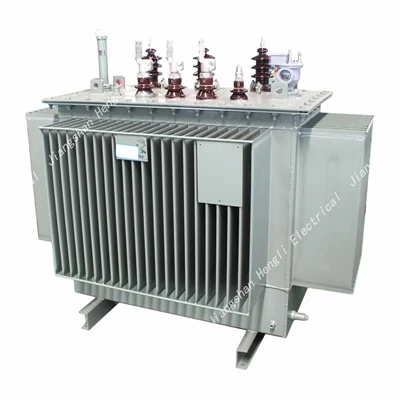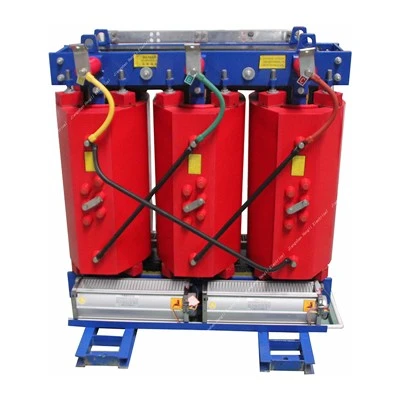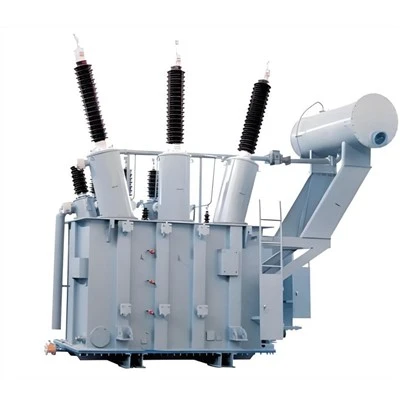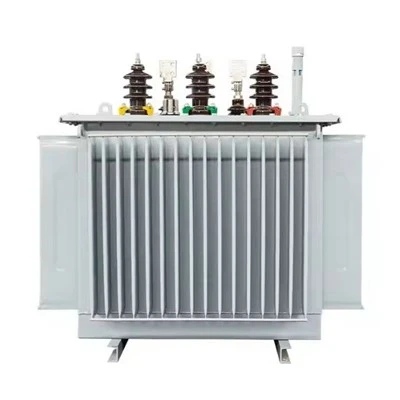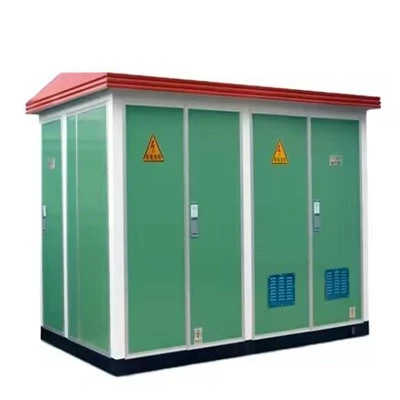

First, it boasts large capacity and high power. Main transformers are typically used in power plants and large substations, undertaking the task of transmitting high-voltage, high-current electrical energy. Compared to ordinary distribution transformers, its capacity can reach hundreds of megavolt-amperes or even thousands of megavolt-amperes, meeting the demands of long-distance power transmission and large-scale power consumption.
Second, it has a complex structure and high reliability requirements. Main transformers not only have high-voltage and low-voltage windings, but also an iron core, insulation system, cooling device, and various protection devices. Each part must be rigorously designed and manufactured to ensure stable and safe operation over long periods. It has strict requirements for temperature rise, short-circuit withstand capability, and insulation strength, because a fault could lead to widespread power outages.
Third, it is highly efficient and operates stably. Main transformers use high-quality materials and advanced manufacturing processes, resulting in low core losses and copper losses, with an operating efficiency generally exceeding 98%. It is also equipped with oil or gas cooling systems, enabling continuous and stable operation under high load conditions, while intelligent operation and safety protection are achieved through protection devices and monitoring systems.