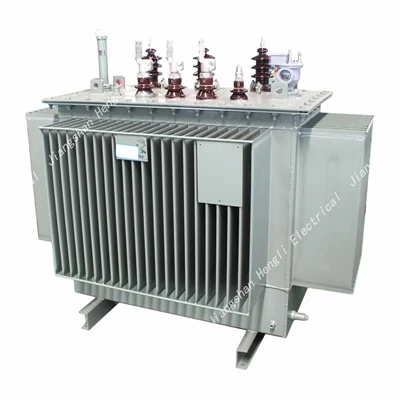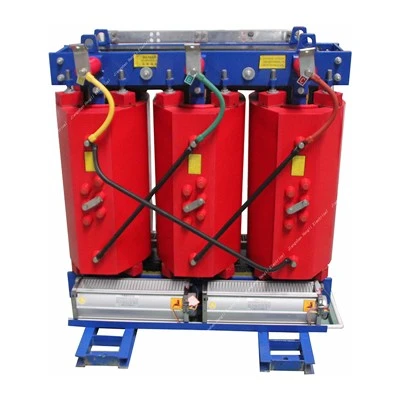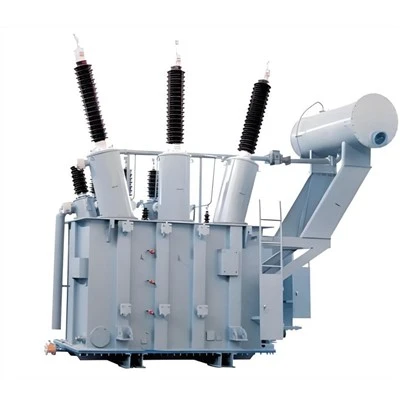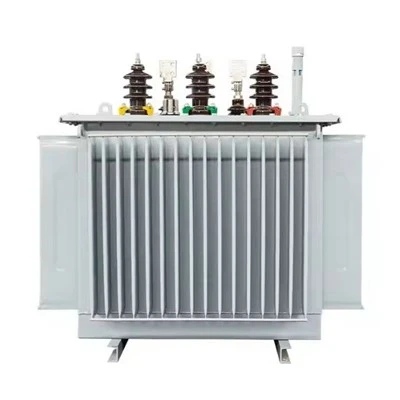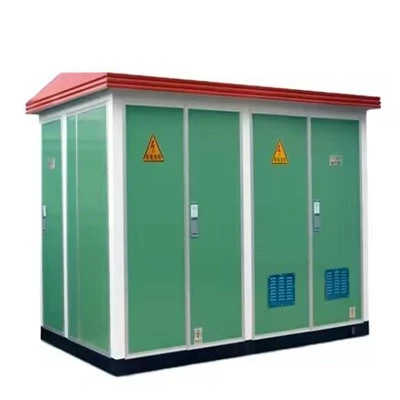

The technical parameters of a prefabricated transformer primarily reflect its capacity, voltage level, and operational capability, with capacity and voltage being the most fundamental. Capacity is generally expressed in kVA, with common specifications including 200kVA, 400kVA, and 630kVA, used to determine the load it can handle. Voltage levels are divided into high-voltage and low-voltage sides, such as 10kV/0.4kV, which is the most common distribution combination. These parameters directly determine the applicability of the prefabricated transformer.
Short-circuit impedance, losses, and efficiency are also key indicators. Short-circuit impedance is generally around 4% to 6%, affecting the magnitude of the short-circuit current and system stability. No-load loss mainly reflects the core performance, while load loss is related to the winding conductors. The lower these two values are, the better the economic efficiency of the equipment operation. Efficiency is usually high, but in long-term operation, these losses directly affect electricity costs, so they are considered carefully during selection.
Insulation class, protection class, and cooling method are also important technical indicators of prefabricated transformers. Insulation class determines the heat resistance and safety performance of equipment, while protection class such as IP54 and IP65 relates to outdoor dust and water resistance. Common cooling methods include oil immersion natural cooling, forced air cooling, and dry air cooling. These parameters together determine the reliability and service life of the transformer substation in different environments.