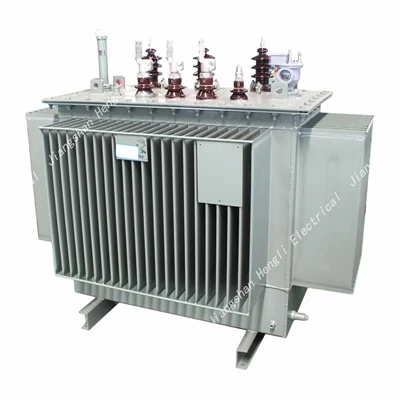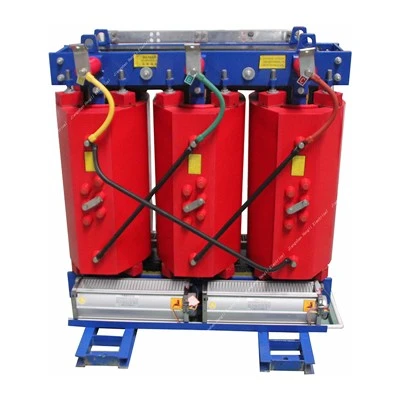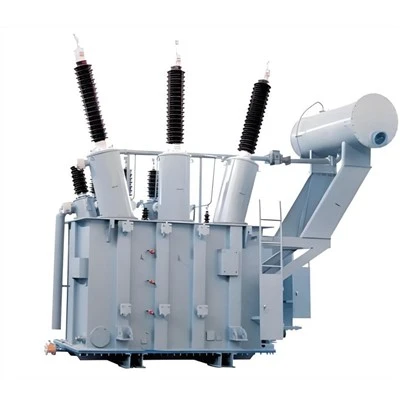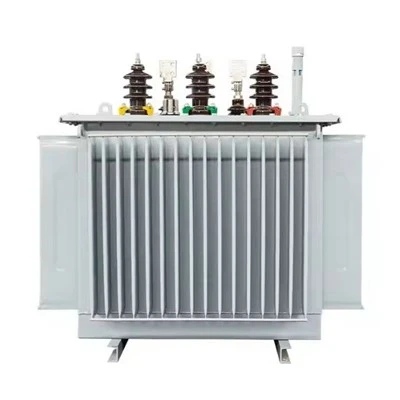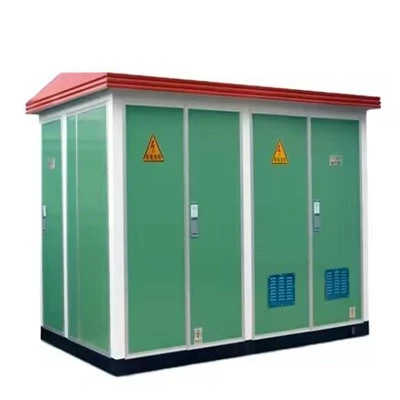

Reasonable Load Operation: Prefabricated transformers should be operated within their rated capacity range as much as possible, avoiding prolonged overload or frequent full load. Overload not only accelerates winding and insulation aging but can also lead to excessive temperature rise, triggering protection actions or damaging the equipment. A model with a capacity slightly larger than the actual load can be selected to ensure long-term safe operation.
Maintaining a Good Environment: Prefabricated transformers should be installed in a well-ventilated, dry, and clean environment, avoiding moisture, dust accumulation, or debris covering the ventilation holes. Outdoor prefabricated transformers should ensure unobstructed drainage, preventing rainwater from entering the enclosure. High-voltage and low-voltage cables should be laid properly to avoid pulling or mechanical damage.
Regular Inspection and Maintenance: Regularly check the enclosure temperature, insulating oil (or dry-type insulator) condition, and the normal operation of switches and protection devices. If abnormal sounds, odors, or temperature rises are detected, the transformer should be stopped and repaired immediately. For oil-immersed prefabricated transformers, the oil should be changed or replenished regularly, and the oil quality and level should be checked; for dry-type prefabricated transformers, dust should be cleaned, and the winding surfaces kept clean.
Comply with Operating Procedures When operating a transformer substation, the power must be disconnected and the voltage tested before any switching operations or maintenance are performed. Extra caution is required when operating on the high-voltage side; non-professionals must not open the enclosure to avoid electric shock or arcing injuries.